Give Your Restaurant a Fresh Start: Time to Redefine Team Culture This January
January often brings quieter days in the restaurant business, making it the perfect time to step back and nurture a united, motivated team. By revisiting your core values, clarifying communication, and encouraging each team member’s growth, you can set the stage for a positive environment that lasts all year. Investing in leadership and training keeps your people inspired, while embracing streamlined processes and technology helps everyone work more efficiently. Above all, fostering a culture of respect, trust, and shared success ensures your staff feel valued. When your team is happy and engaged, they naturally provide top-quality service and craft memorable dining experiences—an invaluable asset in the competitive restaurant world.
1. Why January Is Perfect for a Cultural Reset
January is a natural break point in the restaurant year. After the peak trading of December, which often puts extra pressure on staff, the first month of the new year is quieter in most eateries. That relief from the rush offers a moment to reflect and plan.
- Seasonal Slowdown: With fewer diners, you have space to schedule team meetings and trainings without compromising customer service.
- New Beginnings: Staff typically feel ready for change after the hectic festive season. January symbolises a fresh start, making people more receptive to adjustments and improvements.
- Budgeting Mindset: Many restaurant owners finalise next year’s budgets in January. This planning mode naturally extends to operational improvements and better team strategies.
According to the UK’s CIPD (Chartered Institute of Personnel and Development guidance), clear workforce communication and robust staff well-being initiatives contribute significantly to workplace satisfaction. What better time to implement such initiatives than January, when your team is most receptive to a renewed focus on culture and connection?
2. Setting a Solid Foundation: Rethink Your Vision and Values
Every successful restaurant is built on a clear mission, whether that’s to serve the best fish and chips in town or to provide a high-end tasting experience. When your employees understand your vision and values, they become ambassadors of your business rather than mere wage earners.
Revisiting Your Mission Statement
Has your vision evolved over the last year? Perhaps you’ve introduced a new concept, expanded your menu, or shifted to accommodate more takeaway services. January is an ideal time to examine your restaurant’s mission statement and decide whether it still resonates with your actual objectives.
- Ask for Input: Gather feedback from chefs, servers, bartenders, and even loyal customers. What do they think your restaurant stands for?
- Edit and Simplify: If you have an overly complex mission statement, consider simplifying it to something more memorable and inspiring.
- Make It Visible: Display a short, digestible version in staff areas. Encourage your employees to keep this statement in mind as they go about their daily tasks.
Defining Core Principles
Your restaurant’s values might include providing genuine hospitality, championing local ingredients, or fostering teamwork. Those principles act as behavioural guidelines. When everyone knows and believes in them, it becomes easier to create a respectful, enthusiastic work environment.
Try to stick to a handful of core principles—three to five—so they are easy to remember. Reinforce these continuously, not just during staff inductions.
3. Clear Communication: The Secret Ingredient
Communication is the yeast that helps your team culture rise. If communication is poor, misunderstandings, confusion, and resentment can quickly spread. By contrast, clear and respectful communication fosters collaboration, motivation, and trust.
Encourage Openness
It might seem obvious to encourage your staff to speak openly, but many workplaces fall short in creating a safe setting where everyone feels free to voice concerns. One simple way to encourage openness is by bringing in regular, informal one-to-ones between managers and staff, even if they last just ten minutes. This is a great time to ask:
- “How is everything going for you at work?”
- “Is there anything that’s making your job more difficult?”
- “Are you getting all the support you need?”
These small check-ins, held regularly rather than only when problems arise, build a firm foundation of regular communication and show your team that you value their perspectives.
Minimise Mixed Messages
When multiple managers deliver conflicting instructions, staff can become frustrated. The simplest solution is a short daily or weekly briefing that brings all supervisors together, ensuring everyone is aligned on current promotions, menu changes, or special events. You might kickstart this tradition in January while footfall is lower, refining it until you find the perfect format.
4. Empowering Your Staff
Empowered teams are confident, proactive, and loyal. An unempowered team often feels micromanaged, unappreciated, or unclear about their roles, which can lead to high turnover, burnout, and gaps in customer service.
Encourage Decision-Making
Restaurant staff often have to think on their feet, especially during busy hours. By clearly explaining boundaries and procedures, you equip your people to make micro-decisions on their own, without needing to run to a manager for every minor issue. This not only speeds up service but also gives employees a sense of autonomy.
Provide Growth Opportunities
Look at career progression as a key factor in staff retention. If a talented server or chef sees potential for promotion into a supervisory role or a chance to lead new menu initiatives, they’re more likely to remain engaged and loyal. Offer cross-training options—let a server learn about bartending or let a commis chef experience front-of-house tasks—to broaden their knowledge.
5. Adapting Your Processes for Efficiency
A positive team culture isn’t just about mindsets and attitudes; it also involves practical elements of day-to-day operations. If your staff constantly battle with a clunky reservation system or a slow drinks printer, frustration can bubble up. Streamlining operations in slower periods allows your team to focus on what they love: creating memorable meals and experiences.
- Identify Bottlenecks: Does the ticketing system cause confusion? Do you lack clarity on table allocation? Observe and ask your team for direct input on where slowdowns happen.
- Set Realistic Goals: Don’t try to tackle every process at once. Prioritise changes that will have the greatest impact on service quality and staff sanity.
- Review Tools and Equipment: An outdated point-of-sale system or glitchy tablet can wreak havoc. January is a good time to budget for necessary tech updates that will improve the flow of service.
Sometimes, the simplest improvements are the most effective—like reorganising dish stations, introducing more efficient cleaning schedules, or minimising duplication in order-taking. By involving the entire team in identifying weaknesses, you also show them you value their input.
6. Encouraging Growth Through Training
If your staff feel stuck or under-skilled, that negativity can quickly pervade your restaurant culture. On the other hand, constant learning keeps people curious, excited, and engaged. Training can be fun too, especially if you spice it up with practical demos or tasting sessions.
Structured Training Plans
Start by laying out a clear training plan for different roles. Outline a path that includes required certifications (like allergens awareness, food safety, or first-aid) as well as optional coaching, such as wine pairing or latte art. Keep it flexible but structured, so every team member knows what’s available and how to sign up.
Peer-to-Peer Knowledge Sharing
Not all training has to be formal or expensive. Encourage your top baristas to host a monthly espresso workshop for colleagues, or let your head chef run a short garnish masterclass. These in-house sessions create camaraderie and help your team learn from one another, which strengthens the culture beyond the training itself.
7. Introducing Technology: Tools That Support Culture
Modern technology can either be your kitchen’s best sous-chef or its bane. Choose wisely, and it becomes a reliable collaborator that frees your staff from tedious tasks, making them feel empowered, appreciated, and less stressed.
Implementation Done Right
When rolling out new tech in your restaurant, pick options that directly address your staff’s pain points or enhance the guest experience. Equip them with straightforward training, and make sure any system you bring on board is both intuitive and easy to use.
- Ease of Use: In hospitality, the pace is quick. Select solutions that require minimal steps, so staff don’t fumble during busy periods.
- Integration: Ensure your chosen tech or software integrates with existing systems like accounting or menu management tools.
- Feedback Loop: Check in with your team about what works and what doesn’t. Adjust settings or processes promptly.
Example: Modern Payment Solutions
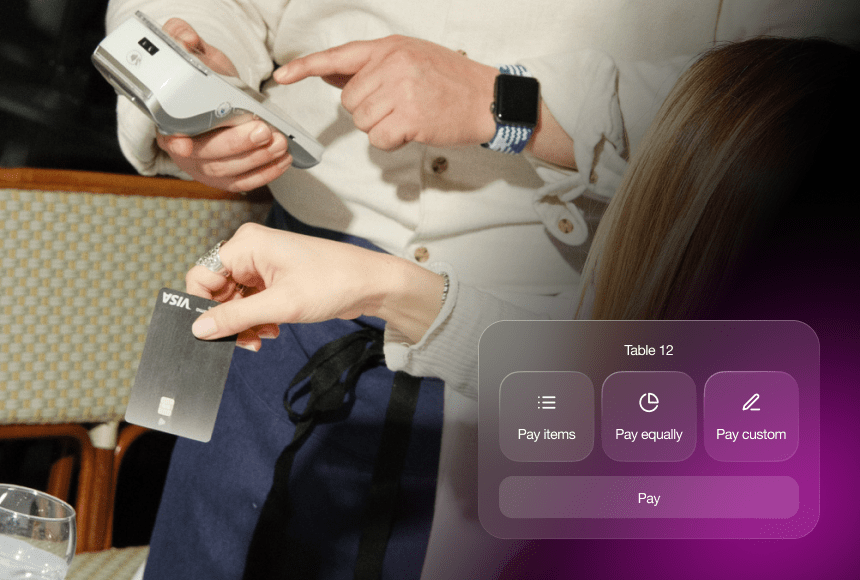
One type of technological solution that can have a direct positive impact on culture is a slick payment process. Nothing is more frustrating for staff than juggling card machines during peak hours or dealing with slow payment terminals. Meanwhile, guests get annoyed waiting to settle up.
In the UK, one solution that’s been gaining traction is the use of QR codes at the table. This approach, made popular by providers like sunday, allows guests to scan the code, view their bill, pay on their phone, add a tip, and even leave a Google review without staff needing to bring over a card reader. This freeing up of time helps reduce stress and shortens table turnaround, allowing your servers to focus on meaningful interactions rather than mechanical tasks.
8. Fostering a Positive Atmosphere for the Long Haul
Think of culture building like a slow-cooked stew: it takes time, the right ingredients, and careful stirring to achieve the best flavour. You’ll reap the rewards through happier staff, consistent guest satisfaction, and an atmosphere that keeps customers returning. Here are some tips for reinforcing good vibes and positivity all year round.
- Public Recognition: Even the most modest team member appreciates a heartfelt thank-you. Recognise achievements of both individuals and small groups. Did the pastry section excel with a new dessert? Did a host handle a difficult reservation seamlessly? Shine the spotlight.
- Encourage Collaboration: Team-building activities such as staff lunches, cooking competitions, or wine tastings can unite your employees in fun and inspiring ways. Consider dedicating a small monthly budget to these morale-boosting events.
- Support Life Outside Work: People are at their best when they feel supported as whole individuals, not just as employees. Flexible rota scheduling, mental health resources, or even basic wellness initiatives—like offering fruit in the break room—show that you care.
- Monitor Turnover: If you notice a spike in staff departures, investigate. It might be a sign that you need to fine-tune certain parts of your culture or fix underlying issues, such as pay, shifts, or management styles.
- Keep Listening: Culture is a living thing—new hires, updated menus, or expansions can shift the dynamic. Make a habit of listening. You can learn a lot through suggestion boxes, anonymous surveys, or simply informal conversations around the staff meal.
9. FAQ: Common Questions About Resetting Team Culture in January
Below are frequently asked questions from UK restaurant owners who want to embrace the new year to re-energise their teams and enhance their operations.
- Q: How do I convince my staff that a cultural reset isn’t just another passing fad?A: Demonstrate genuine commitment by following up with actions. Offer regular catch-ups, acknowledge achievements, and implement staff feedback. If your team sees real, consistent improvements, they’ll know you’re serious about building a better work environment.
- Q: My budget is limited. How can I create a great culture without spending a lot?A: You can achieve a meaningful shift in culture without breaking the bank. Focus on communication, recognition, and staff well-being. Small gestures, like organising a quick morning huddle or providing cross-training opportunities, often have a huge impact.
- Q: What if some employees are resistant to change?A: Resistance usually stems from uncertainty or feeling disconnected from decisions. Involve your team early—explain the “why” behind any change. Invite their suggestions and address their concerns. Gradual changes implemented with transparency often ease the transition.
- Q: Can technology really improve my team culture?A: Absolutely. Well-chosen tech, like table-side QR payments, central communication apps, or integrated stock management, helps streamline daily tasks. That reduces stress, shortens waiting times, and leaves staff more space to focus on guest satisfaction and personal development.
- Q: When will I start seeing results from these cultural changes?A: While some shifts are immediate—like improved communication—others, such as reduced turnover or significant boosts in morale, may take weeks or months. Think of culture as an ongoing initiative rather than a quick fix. Keep listening, adapting, and celebrating small wins along the way.
Building a healthy team culture in your restaurant does not happen overnight. But January’s relative calm offers the perfect opportunity to start afresh, unite your staff, and set the tone for the year ahead. Speak openly to your team, empower them, consider helpful technology, and watch as these steps shape a happier workforce. In turn, you’ll see improvements in everything from customer satisfaction to financial performance. And isn’t that a worthy goal for any restaurant keen to stand out in the lively UK food scene?


 1min
1min
 1min
1min