From Queue Chaos to Culinary Delight: Thriving on Overbooked Evenings
An overbooked restaurant night can be a blessing, but it also tests your operation. It requires well-planned scheduling, clear communication, astute table management, and a smooth payment process so staff can focus on what matters: the guest experience. Getting your team aligned, trimming down wait times, and calmly coordinating walk-ins and reservations are critical. Equipping your restaurant with digital tools—from real-time booking systems to quick QR code payments—ensures both efficiency and guest satisfaction. Simple shifts in strategy, coupled with a warm and proactive approach, can elevate your service even when tables are in high demand.
1. Recognising the Upside of a Fully Booked House
Every restaurant owner knows the thrill of a buzzing dining room. A waiting list of eager guests is often hailed as “a good problem to have.” High demand suggests that you’re doing something right—quality meals, excellent service, or a unique atmosphere that resonates with your customers. However, being overloaded also creates pressure. Service can become frantic, morale dips if stress runs high, and the guest experience can suffer if things fall out of sync.
Still, let’s not ignore the upside. A fully booked Friday night means added revenue, greater exposure, and the chance to impress a potentially wide array of first-time visitors. If the evening is orchestrated correctly, these guests might tell their friends or leave glowing online reviews, propelling your restaurant’s reputation forward. Capitalising on these opportunities means stepping into the night with a clear plan and an adaptable team.
2. Anticipating the Surge: Preparation and Communication
Overbooking, whether planned or accidental, often arises from conflicting sources of reservations. Some owners intentionally overbook to hedge against cancellations. Others rely on multiple booking platforms, and sometimes the systems don’t sync perfectly, leading to double bookings—especially on big occasions like Valentine’s Day or during the festive season. Up-to-date technology and proactive communication can be your first line of defence.
Before the rush begins, consider:
- Real-time booking system: Use an integrated booking platform that centralises reservations. This decreases the risk of duplicates and helps you spot potential overlaps. For instance, OpenTable can give you an overview of how many diners to expect at any moment.
- Reservation confirmations and reminders: Send automated texts or emails to confirm bookings in advance. Politely request a response and remind guests to cancel if their plans change.
- Policy for no-shows: Clarify how no-shows or cancellations will be handled—perhaps, after a grace period, you free up the table for walk-in customers. Communicate this policy on your website, social media, and when guests reserve.
- Staff briefings: Update your staff about the evening’s expected headcount. Ensure hosts, servers, and chefs know how many to expect and at which times. Feeling prepared eases nerves and fosters collaboration.
While you can’t predict exactly how many people will turn up, guided estimates and thorough communication reduce the risk of chaotic seatings. It’s a bit like building a well-layered dish: every element must be prepared so that, once dinnertime arrives, everything flows.
3. Smart Seating Arrangements: Making Every Table Count
When facing a surge of guests, you don’t want staff fumbling around, unsure where to place new arrivals. Efficient seating arrangements can help you absorb the extra volume smoothly. Here are a few pointers:
- Room Layout: Map the room in a tool that tracks each table’s status. Instead of guessing, you’ll know which tables are soon to be freed up or are running behind. Make sure tables can be reconfigured if needed—sometimes, a small tweak helps you seat an extra group of four.
- Clear Table Turnover Strategies: Service is not just about speed; it’s about pacing. Inform your service team when it’s time to gently prompt guests toward after-dinner drinks at the bar so the table can be readied for the next booking. Balanced pacing ensures no one feels rushed but keeps the flow alive.
- Smooth Waitlist Management: If you accept walk-ins, manage them via a digital waitlist that gives real-time updates to guests. A walk-in who knows they have a 20-minute wait is much happier than one who stands in limbo.
A well-arranged dining area is like a layered pastry—each layer is placed with precision. This thoughtful approach reduces confusion, ensures each seat is used optimally, and helps your team provide a consistent service even under pressure.
4. Coordinating Your Team: The Heart of Great Service
No matter how sophisticated your reservation strategy or layout, chaos can infiltrate an overbooked evening if your team isn’t singing from the same hymn sheet. Communication and coordination are the main ingredients of your restaurant’s success.
Start with the Kitchen: Chefs and cooks deal with the brunt of the rush, especially on busy nights. Create a well-defined preparation plan—or mise en place—hours before the first guests arrive. This might include slicing garnishes, pre-measuring ingredients, and ensuring all stations are fully stocked.
Empowered Hosts and Servers: Your front-of-house staff are your ambassadors. Give them the authority to manage any guest concerns swiftly. One table’s dissatisfaction can spread if it’s not resolved quickly, so encourage staff to offer solutions—be it a free beverage, a sincere apology, or a clear explanation of the waiting time.
Frequent Check-Ins: Hold short stand-up huddles in the middle of the shift. Quickly summarise table statuses, highlight potential bottlenecks, and reassign tasks if certain sections become overwhelmed. These micro-meetings create a sense of unity and help everyone anticipate what’s coming.
When your entire crew understands both the plan and their specific roles, they can rise above the turbulence of a packed dining room. In that sense, your employees are the “spice mix” that gives your restaurant its signature flavour.
5. Keeping Up Morale During the Pressure Cooker
Overbooked nights can wear down your staff. From unexpected walk-ins to last-minute large parties, tensions might brew. Yet high morale is indispensable—exhausted or demoralised staff won’t provide that warm, welcoming atmosphere your guests expect.
How do you sustain morale? Here are a few ideas:
- Fair Scheduling and Breaks: Even on busy nights, rotate breaks to ensure team members can recharge. A short breather goes a long way in preventing burnout.
- Staff Incentives: Celebrate the small wins—if you break a sales record or receive a particularly glowing review from a guest. By acknowledging their hard work, you keep spirits high.
- Open Communication: Encourage staff to flag issues before they escalate. A supportive environment eases tensions.
Just as you’d never rush a delicate sauce, you shouldn’t neglect the human element in your restaurant. Investing time and resources in staff well-being translates to a better guest experience, both tonight and in the long run.
6. Minimising Wait Times: Efficiency That Feeds Satisfaction
Waiting can mar a diner’s evening, especially if they’re left standing in silence. It’s crucial to manage queues gracefully and set realistic expectations for seating. Some techniques include:
- Queue Management Tools: Allow guests to track their position in the queue. A real-time mobile waitlist keeps them informed and reduces frustration.
- Comfortable Waiting Areas: If you have space, provide seating or a small lounge. Offer amuse-bouches or drinks to waiting guests, turning an inconvenience into a pleasant experience.
- Staggered Reservations: Beyond the realm of digital booking platforms, think about spacing out table times. Seat tables in increments so the kitchen doesn’t receive every ticket at once.
Less waiting means happier customers. And when diners are content, they’re more receptive to recommendations, more likely to leave tips, and more prone to posting positive reviews online. It’s a subtle way to keep the “restaurant buzz” going strong.
7. Harnessing Technology: From Reservations to Payment
Restaurants can be as fast-paced as a professional kitchen station, so technology that simplifies your processes may well become your secret sauce. In the UK, restaurant owners are increasingly turning to digital solutions to:
- Track seating capacity: A well-implemented system helps you monitor table turnover, booking changes, and waiting guests in real-time.
- Streamline ordering: Some restaurants choose handheld devices that send orders directly to the kitchen. This minimises errors and shaves minutes off the process.
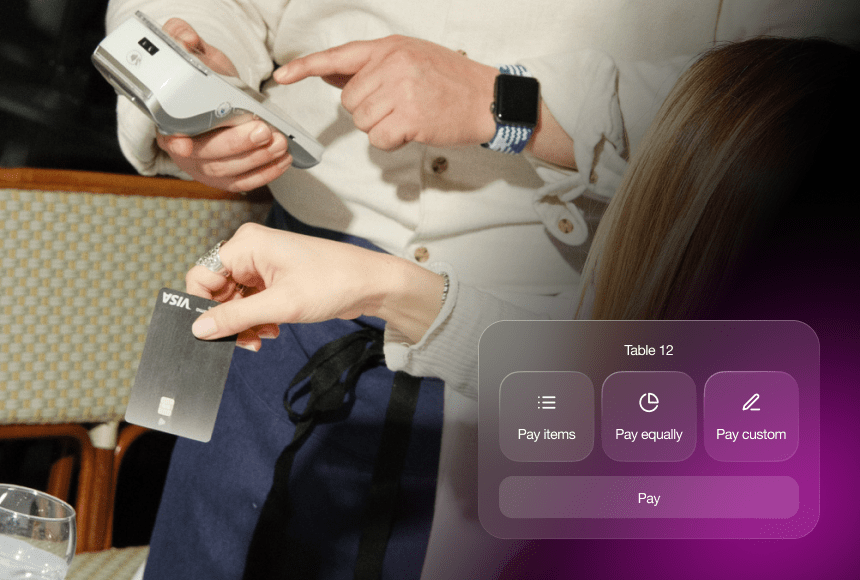
- Expedite payments: Quick and contactless card terminals reduce friction, while QR code solutions—like the one offered by sunday—let diners settle the bill on their phone at their convenience. No more waiting for the card reader or dealing with multiple receipts.
Welcoming technology into your daily operations can help you handle higher volumes of guests without sacrificing your trademark hospitality. This is especially true on overbooked evenings, when every second counts.
8. Speeding Up the Last Step: Payment Solutions that Simplify
When service is in full swing, the last thing you want is a backlog at the payment station. Long queues to pay the bill could prompt impatience and hamper table turnover. Offering a swift, hassle-free method to close the check is vital to maintaining the momentum of a busy shift.
Modern payment solutions have evolved far beyond the traditional card terminal. Many restaurants are integrating scannable QR codes—whether displayed at the table or on the receipt—allowing customers to pay securely via their smartphones. sunday, for instance, offers a user-friendly platform that handles quick payments, tip collection, and even encourages guests to leave a review on Google. It’s a neat way to bolster both revenue and online visibility.
Why is this relevant for overbooked evenings? Because an efficient payment process does three major things:
- Reduces backlog: The faster tables are cleared, the quicker you can seat the next wave of hungry diners.
- Empowers customers: Guests who control their own checkout experience tend to feel less rushed and more positive as they leave.
- Inspires loyalty: When customers see a fun, modern twist on a traditionally slow process, they leave with a memorable impression—vital for boosting repeat visits.
Ultimately, the advantage is that your staff can devote more attention to service, rather than juggling printing and swiping. A dessert course might benefit from that extra few minutes of face time, especially when the pastry station is a highlight of your establishment.
9. Solving the Overbooked Puzzle: Timing and Table Turnover
One of the trickiest parts of a packed night is pacing. There’s a delicate dance between welcoming new diners and giving existing tables enough time to savour their meals. When rushed, guests might feel they’re on a factory line; if you let them linger too long, you risk backing up the queue in the waiting area.
Technique and empathy both matter:
- Focus on the transition between courses: Once guests finish a course, a quick check-in can gauge interest in dessert or coffee, allowing you to adapt your next steps. If a table is clearly winding down, politely ask if they’d like the bill or are interested in another round of drinks.
- Offer alternative spots: If you have a delightful bar area or lounge, culminating a meal there creates a dual benefit: the diners continue their evening comfortably, and you free up the main table.
- Listen to feedback: Keep an eye on verbal and non-verbal signals. Some guests are more than ready to go once the plates are cleared, while others wish to celebrate a special occasion at length. Train your staff to read the room effectively.
Michelin-starred restaurants often excel at this balancing act, ensuring each moment of the experience is orchestrated but never forced. You can do the same by fine-tuning your approach to pacing and genuinely caring about your diners’ comfort.
10. Handling Customer Complaints With Grace
On a night when diners are spilling through every entry point, a hiccup can happen: a reservation that disappeared, a ticket that went missing, or a special request overlooked. Mistakes become amplified under the bright lights of a fully booked house. Yet it’s how you respond that shapes the final impression.
When confronted with an upset guest:
- Stay calm and listen: Let them explain the issue fully without interruptions. Often, guests feel more at ease just knowing they’ve been heard.
- Acknowledge and apologise: Accept responsibility, and express a truthful apology—“I’m really sorry about the confusion with your reservation. I understand how frustrating that must be.”
- Offer a clear resolution: Even if you can’t click your fingers and produce a free table, provide realistic solutions—perhaps a complimentary drink while they wait or the first available seat at the bar.
A genuine apology followed by a supportive action can turn a potential negative review into a story of how you went above and beyond. If you use digital payments like QR codes, you can customise special offers on the receipt too, leaving a parting token of goodwill that might soften any initial disappointment.
11. Celebrating Culinary Creativity Despite the Rush
Packed nights don’t have to crush your creativity. True, the tempo might be faster, but you can keep your menu inviting and your dishes fresh. A short, curated menu might even protect your kitchen staff from meltdown. By focusing on fewer, higher-quality dishes, you can present them with consistency and flair.
If you have signature specials—like a slow-cooked lamb shank or vegan risotto—ensure they’re well-prepped for the surge. Highlight these items in your server’s suggestions. Not only does this help restaurants rotate through inventory efficiently, but it also delights diners with the best you have to offer.
When the culinary side is streamlined, it’s easier to maintain control of cooking times and guarantee that each plate mesmerises the table. That’s how you turn that “stressed team” feeling into a “united front,” all while giving your guests a reason to come back.
12. Building a Regular Fan Base and Positive Exposure
Restaurants thrive on loyal patrons. If guests walk out the door feeling undervalued, they may never return, no matter how revered your food is. Overbooked nights can either build your reputation or tarnish it—depending on how you handle the intensity.
The good news is that dark clouds often have a silver lining. A jam-packed restaurant, expertly managed, fosters a high-energy atmosphere that sticks in people’s minds. Diners leave with a sense of being part of something special, an irresistible buzz that’s worth talking about. And if, on top of this, you offer them quick, seamless ways to share their experiences—like a link to post a Google review embedded into your digital payment receipt—you turn a single meal into lasting online visibility.
That cycle of enthusiastic diners turning into advocates doesn’t happen by chance—it’s powered by your attentiveness, empathy, and eagerness to address their needs swiftly. In today’s landscape, where nearly every diner is armed with a smartphone, quality of service meets the speed of technology.
13. Making the Most of Online Reviews
If there’s one certainty in modern hospitality, it’s that diners frequently turn to online reviews to decide where to eat. According to market research by CGA Strategy, a significant portion of hospitality guests in the UK read and post reviews on platforms like TripAdvisor and Google Maps.
Rather than shy away from reviews, invite constructive feedback. Tools like sunday include a built-in pathway to prompt diners for immediate reactions, helping your restaurant collect honest insights. Of course, not every piece of feedback will be glowing, but you can capitalise on the positive ones and address concerns promptly.
Online reviews are the digital “word of mouth.” Although you can’t control what guests say, you can certainly influence their experiences—by ensuring a smooth operation and acknowledging their feedback with professionalism.
14. Learn from the Rush: Planning for the Future
Even if your busiest evenings can feel overwhelming, viewing them as a learning opportunity turns short-term stress into long-term gain. After the frenzy dies down, debrief with your staff. Ask:
- Which dishes were the most popular and why?
- Where did the flow of service slow down—kitchen pass, payment, or table turnover?
- What strategies worked best for managing waitlists and walk-ins?
- Did we handle any complaints effectively? How can we reduce these incidents altogether?
Use these reflections to refine your approach. If the same issues crop up multiple times, it’s a cue to invest in new processes, training, or tools. Sometimes, adopting a robust, integrated booking system or switching to a more user-friendly digital payment solution can transform your entire operation.
There’s no final chapter to running a restaurant—only constant evolution. Overbooked evenings might turn into your biggest blessing if they lead you to refine your craft again and again.
FAQ: Your Overbooked Evening Questions Answered
1. Should I take a deposit for busy nights?
Many UK restaurants adopt a deposit system for high-demand occasions (such as Christmas parties or Valentine’s Day). This reduces no-shows and protects your revenue. Just ensure the policy is clearly explained on your reservation platform and in confirmation messages.
2. How can I politely suggest that guests free up the table?
Encourage staff to approach the table after the main course, offer desserts, and casually mention that the reservation slot is nearly up. A friendly tone works best—something like, “If you’d like to continue enjoying your evening, we have a cosy bar area available. Would you like to move there for a final drink?”
3. Do digital payment methods reduce tip amounts?
Rather than reducing tips, good digital payment solutions often facilitate tipping. By adding a clear tip prompt on the payment page, diners are more likely to leave a gratuity. And because guests can pay at their leisure, they don’t feel pressured—leading to higher tip satisfaction.
4. What if multiple large parties show up at once?
Divide and conquer. If possible, reserve a dedicated area for large groups and ensure your kitchen is prepared to handle big orders swiftly. You might also encourage pre-orders for groups over a certain size (like eight or more) to reduce the wait and align kitchen prep.
5. How do I reduce no-shows without alienating customers?
No-shows can be tackled by sending reminders via text or email, offering easy cancellation links, and considering a deposit. Making it convenient for guests to reach you—phone, email, or social media—also helps them communicate changes in their plan. Remember, clarity and courtesy go a long way in avoiding friction.
6. What if my staff feel overwhelmed during peak hours?
Speak openly with your team. Rotate breaks where possible, ensure there is enough staffing, and encourage cross-training so staff can step into different roles as needed. A supportive workplace culture helps everyone cope better with the hectic energy of an overbooked service.
7. Can I still offer excellent service if I oversell tables?
Yes, with strategic planning and transparent communication. Overbooking carries risks, so it’s vital to balance the potential for no-shows with realistic capacity limits. Provide staff with the tools—like real-time booking software and quick payment solutions—to keep service flowing and maintain a welcoming atmosphere.


 1min
1min
 1min
1min