Rethinking Click & Collect in the New Year: Is It Still Worth It?
Click & Collect, which soared in popularity during the pandemic, remains a relevant service for restaurants looking to serve customers swiftly and conveniently. In January, many businesses wonder if offering takeaway and pre-ordered options continues to be worthwhile. In this piece, we explore how Click & Collect can help streamline operations, boost brand image, and maintain customer loyalty. We also examine practical strategies to adapt to evolving seasonal challenges and consumer habits. From managing costs and optimising staffing to incorporating easy payment methods with solutions like QR codes, this guide offers tangible insights to help UK restaurant owners reassess and refine their Click & Collect approach in the new year.
1. Revisiting the Peak of Click & Collect
When you hear “Click & Collect,” perhaps you think of the hectic days during lockdowns, when queues of take-away bags and masked delivery drivers formed the lifeblood of many struggling restaurants. Yet, COVID-19 restrictions have eased, and life has largely returned to normal. So, if Click & Collect was born of necessity, you might be asking: “Is it still a must-have service in January, when dine-in starts to pick up again?”
It is true that at the height of the pandemic, Click & Collect dominated the restaurant scene. According to statistical data from The Caterer (The Caterer), takeaway deliveries and self-collection increased by over 30% in the UK hospitality sector between 2020 and 2021. In some areas, it even helped restaurants survive the toughest trading conditions they had ever encountered. Now that the dust has settled, it might seem that you can return to “business as usual.” But consider that many of the habits your customers adopted have remained.
A portion of diners have found self-collection both quick and convenient. Even though they could book a table, the memory of realising they could simply pick up their favourite dish on the way home has stuck. Let’s explore why January might actually be a perfect time to refresh your approach to Click & Collect, rather than removing it from your game plan.
2. Understanding Shifting Consumer Behaviours
January is a time of new beginnings, but it is also a season of tight budgets. Right after the festive period, people often want to cut back on spending. For many diners, that can mean fewer lavish nights out and more cost-effective ways to enjoy a favourite meal. Click & Collect conveniently sits in this space: it allows customers to save on delivery fees while still getting restaurant-quality food.
Here are some noteworthy trends:
- Budget-conscious diners: After December’s big bills, people may crave the dishes they love, but want fewer costs. Collecting their order in person saves them delivery fees and tips, and can often mean promotional offers from the restaurant.
- Weather impact: While January weather in the UK can be cold and wet, some customers would rather swing by in their car or on foot quickly than sit outdoors or brave a busy dining room.
- Health and wellness goals: With many adopting “new year, new me” habits, restaurants offering healthy takeaway or low-calorie options might see success in selling curated “to-go” meals that align with diet resolutions.
This is particularly relevant in a time marked by flexible working arrangements. Many workplaces offer remote or hybrid models, so employees remain at home more often. That can mean a change in standard lunch routines. Instead of your usual dine-in business crowd, you might see an uptick in call-ahead or online orders. So, even though the pandemic is no longer driving these behaviours, the workforce itself has shifted, and Click & Collect can accommodate new customer routines.
3. The Advantages of Maintaining Click & Collect
Even if you are noticing that more customers are returning to dine in, do not underestimate the long-term benefits of a well-run Click & Collect service. Consider the following:
- Additional revenue stream: Click & Collect allows you to serve multiple types of customers simultaneously. Some people prefer sitting down to a leisurely meal, while others want their food quickly. Offering both caters to a broader customer base.
- Reduced wait times: When done right, pre-ordering cuts down wait times drastically. By staggering collection slots, your kitchen can prepare orders more efficiently, improving your brand’s reputation for prompt service.
- Less reliance on third-party delivery: If you rely on external delivery platforms, you might be paying hefty commission fees. Encouraging customers to collect themselves can keep more of the profit margin in-house.
- Upselling opportunities: A well-optimised online menu for Click & Collect can highlight add-ons and extras. You can prompt customers to add a dessert or upscale sides, which they might skip when scrolling through a long third-party platform.
- Stronger branding: With delivery services, your branding and packaging may share space with a delivery app brand. Click & Collect gives you full control over your customer experience, from packaging presentation to the final payment step.
It is hard to deny that satisfying the after-work crowd or hungry shoppers is still good business. Some might argue that a smaller number of January orders does not justify the added complexity, but for many establishments, it might sustain consistent sales on slower weekdays and open new revenue opportunities.
4. Potential Drawbacks and Solutions
Just as customers consider the pros and cons, you as the restaurant owner have considerations of your own. Maintaining Click & Collect might raise concerns about staffing, packaging costs, or operational complexity. It can be challenging to design a system that avoids chaos, especially if your staff must juggle in-house diners, phone-in orders, and online requests all at once. Compared to the hustle and bustle of the festive season, January might feel quieter, making you wonder if it is time to scale back.
Here’s how to tackle the most common drawbacks:
- Staffing: Cross-train your team so you are not relying on a single person to handle all Click & Collect orders. Having more than one staff member familiar with the process can help keep service smooth, even if you get an unexpected rush.
- Packaging costs: Explore eco-friendly and portion-controlled packaging that fits your brand image. Buying in bulk can reduce unit costs, and customers increasingly appreciate sustainable packaging approaches.
- Operational complexity: Clear signage, a separate pick-up area, and an efficient digital ordering system are great ways to mitigate confusion. Tools like integrated point-of-sale (POS) solutions can ensure your staff know which dishes are dine-in and which are collected.
5. Adapting Click & Collect to a Post-Peak World
If Click & Collect has evolved from being a pandemic saviour to a standard restaurant offering, it’s worth adapting your approach to serve the new normal. A well-run Click & Collect is not simply an “order online, pay at the cash register” scenario. Today’s customers expect frictionless experiences:
- Streamlined ordering: Make sure your website or ordering platform is user-friendly, including clear dish descriptions, allergen information, and transparent pricing. Bonus points if your system saves past orders for returning customers.
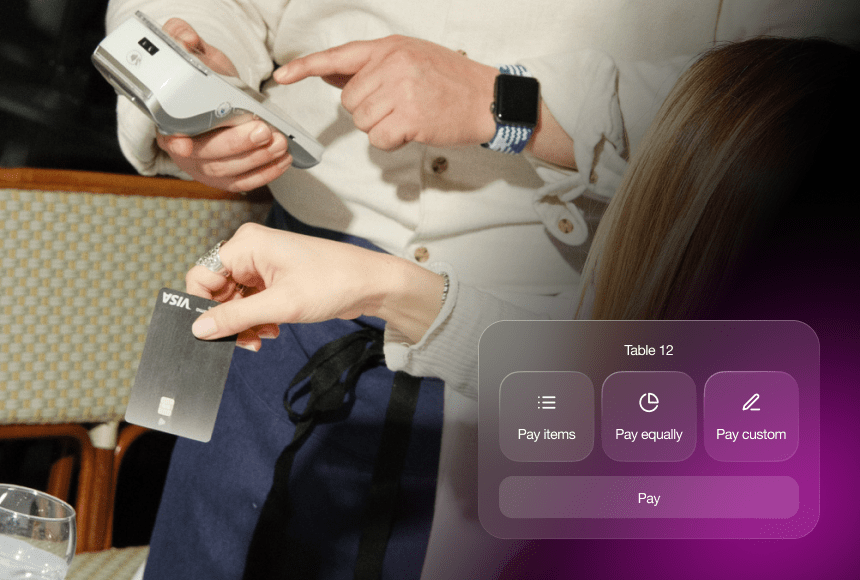
- Fast digital payments: From contactless payment terminals to QR code payments, reliability and speed are key. This not only improves the customer experience but reduces potential queues and staff needed on-site.
- Precise pick-up timing: Offer scheduled time slots. Guests are more likely to order if they know they can walk in and be out in under a minute with their order in hand.
- Branding consistency: Emphasise your restaurant’s personality. The brand does not stop when you hand over the bag. Make sure the packaging, personalised notes, or mini loyalty cards match your in-house atmosphere.
All these details can help your Click & Collect service feel as premium as your dine-in meals. By doing so, you build a sense of reliability, which translates into repeat customers and glowing reviews. Remember, people talk about their experiences—good or bad—and in an industry as reliant on word of mouth as hospitality, delivering excellence in every channel is paramount.
6. Making the Most of QR Code Payments
One key advantage of running Click & Collect is keeping transactions simple. When you shorten customers’ observational waiting time, you create a more engaging experience. Over the last couple of years, QR codes have entered mainstream use, not just for menus but for payments, especially with solutions like sunday.
Rather than forcing your customers to queue for a payment terminal and tap a card, you could offer a way for them to pay when placing the order online—or just let them scan a QR code upon arrival. This can save your staff time, reduce friction at the counter, and ensure that each transaction is recorded swiftly and accurately.
Restaurant owners and managers often find that adopting new technology, such as table stickers for dine-in or app-based ordering for collections, fosters a modern image. Especially in January, when the weather might be unappealing, the less time customers have to spend in line, the happier they are likely to be. Minimising face-to-face contact might also matter for still-cautious individuals or those with a preference for speed.
7. Boosting Visibility and Driving Loyalty
Click & Collect is not just about convenience; it can also help you build your reputation and customer loyalty. Here are a few reasons why:
- Customer data: Implementing an online ordering system gives you visibility into who your customers are, what they order, and how frequently. These insights help you refine your menu and highlight bestsellers.
- Promotional opportunities: A direct channel means you can quickly communicate promotional offers to boost sales during slow periods in January. Whether it’s a “buy one, get one 50% off” on winter warmers or an invitation to try your new low-calorie specials, you can tailor your campaigns to each customer segment.
- Incentive programmes: With personalised data, you can create loyalty rewards exclusive to Click & Collect. For instance, after five collection orders, they earn a free dessert. This entices them to keep returning rather than switching to a competitor.
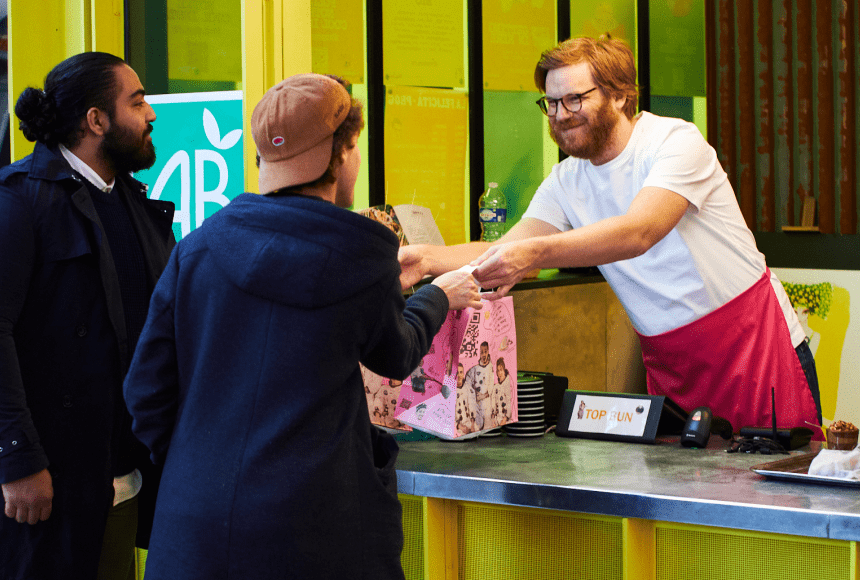
When customers come in to pick up their order, they also have a chance to see your restaurant atmosphere. Maybe they’ll notice your cosy interior, mouthwatering bakery counter, or front-of-house staff who greet them with warmth. This short “in-person” interaction can kindle curiosity for a full dine-in experience. You might convert a once-a-month pick-up customer into a loyal weekly diner.
8. Operational Tips and a Table of Pros & Cons
To decide if Click & Collect remains worthwhile for your restaurant, consider some practical tips. Below is a quick table laying out potential benefits alongside challenges to guide your decision:
| Potential Benefits |
Potential Challenges |
| Opens new revenue streams |
Requires extra staff training |
| Encourages loyalty with convenient pick-up |
Packaging costs can be significant |
| Reduces hefty delivery fees |
Scheduling or queue management needed |
| Promotes better brand control |
Harder to forecast order volume |
Whether or not you decide to continue or expand your Click & Collect service, it’s wise to remain prepared. After all, the beginning of the year can be unpredictable, from last-minute group bookings to sudden snow flurries that deter diners from venturing too far from home.
Below are some operational tips to refine your approach:
- Plan your pick-up stations: If you have a compact storefront, ensure a designated space for collecting orders that doesn’t interfere with the regular queue for tables.
- Review kitchen workflow: If you notice backlog during peak times, consider new ways to streamline tasks. Could a second cooking station be dedicated to to-go orders, or should the staff rely on a well-structured timesheet for meal prep?
- Introduce express lines: If demand is high enough, an express window for pre-paid orders can slash waiting times.
- Train consistently: Ensure every team member understands the ordering path, from receiving an online ticket to packaging. Brief daily staff check-ins can help catch small mistakes before they become issues.
9. Spotlight on january Payment Innovators
When we talk about bridging convenience, one major piece of the puzzle is fast and seamless payment. Looking at the UK market, digital ordering is only half the story. The next step is to reduce friction at the point of payment.
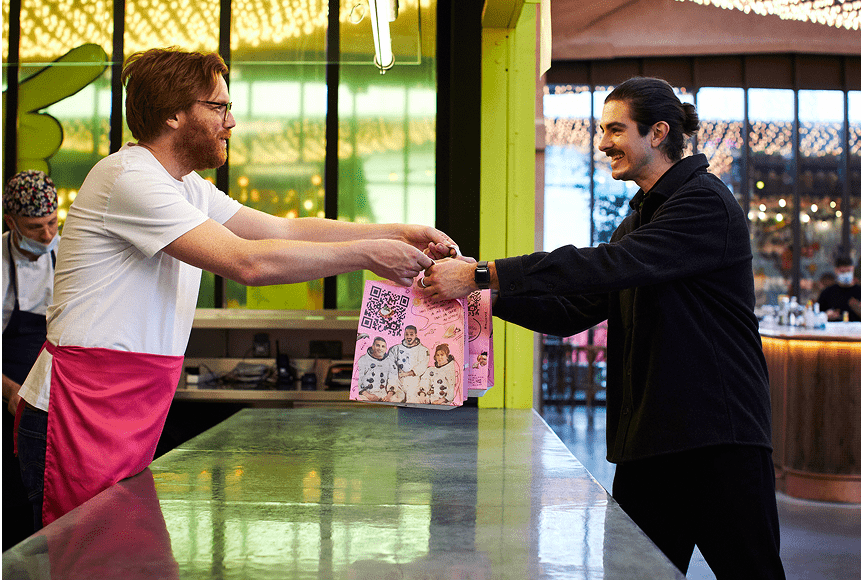
Enter solutions like sunday, offering QR code-based payments that require minimal staff involvement. By placing a simple code on your take-away bags, your customers can just scan and settle their bill. In a few seconds, their payment is confirmed. Need them to tip or leave feedback? The same environment can prompt them to add a tip or even post a review on Google if they had a brilliant experience. This is particularly appealing for restaurant owners focused on:
- Improving staff productivity during busy times
- Increasing tip amounts by making digital tips effortless
- Gathering real-time customer reviews and boosting online reputation
Not only does it appeal to the bustling lunch crowd, but it also positions your restaurant at the forefront of modern dining concepts. Today, efficiency matters as much as taste.
10. Positioning Your Business in January and Beyond
With the new year in full swing, your marketing strategy might involve rethinking your full menu or sprucing up the décor. Now is the moment to check if your service offerings align with the demands of the market. January might not be your busiest month, but it can set the tone for the rest of the year.
No matter your restaurant’s size—whether you run a small local café or helm a multi-unit franchise—reflect on how Click & Collect fits into your customer journey. Even if foot traffic has risen again, there is a large demographic that still appreciates pick-up options for speed and cost-effectiveness.
Many restaurants find themselves pleasantly surprised by off-peak orders. These are kids’ after-school meal pickups, last-minute office lunches, or an easy dinner option for a busy parent who forgot to plan. The potential for stable, incremental revenue is there if you make the process simple and trustworthy. A reliable Click & Collect service helps you stand out from the competition and extends the warmth of your restaurant’s experience beyond its physical walls.
11. FAQ
Below are some of the most common questions restaurant owners ask about running a Click & Collect service, especially around the new year.
- Q: Will continuing a Click & Collect service increase my operational costs in slow periods?A: It can raise costs around packaging and staff time, but smart scheduling, bulk packaging purchasing, and efficient digital ordering systems can offset these. Plus, in slower months, every extra revenue stream can help stabilise your bottom line.
- Q: Do I need an expensive set-up for online orders?A: Not necessarily. Plenty of cost-effective, user-friendly solutions exist that integrate seamlessly with your existing POS. Look for systems that handle both online payments and order tracking without large monthly fees. Many also let you customise the user interface to match your brand.
- Q: How can I keep my staff from feeling overwhelmed when handling dine-in, takeaway, and Click & Collect orders?A: Adequate training and clear procedures are the key. Label orders carefully, assign one staff member to monitor incoming online orders, and ensure smooth handovers. If you reach a consistently high volume, dedicating staff specifically to these tasks could streamline operations.
- Q: Can Click & Collect help me build a stronger relationship with my customers?A: Absolutely. Unlike third-party delivery, Click & Collect puts you in direct contact with your customers, helping you gather feedback and build brand loyalty. Customers often appreciate feeling connected to their local restaurant, and seeing your staff, even briefly, can nurture that sense of familiarity.
Ultimately, Click & Collect was never just a passing trend. It met customers where they needed restaurants to be—contactless and convenient—and paved the way for new forms of engagement. In January, it remains relevant because the motivations behind it—saving time, costs, and effort—haven’t disappeared. They have merely evolved. By carefully assessing your restaurant’s capabilities and customer desires, you can decide whether continuing or refining your Click & Collect service is the right move to keep your business humming year-round.


 1min
1min
 1min
1min