Why Going Digital Helps UK Pubs Stay in Control
UK pubs often juggle high guest turnover and staff shortages. Digital bills make life easier for pub owners and teams by speeding up the payment process. When customers can view and settle their tab via their own smartphones, staff can focus on delivering a top-notch experience. Going digital also improves tipping practices and makes end-of-day admin smoother. With the right platform, UK pubs can maintain personal service while handling payments more efficiently. By reducing stress on busy shifts, digital bills help keep the smiles intact—both behind and in front of the bar.
1. A Closer Look at Today’s UK Pub Landscape
According to data from the British Beer & Pub Association (BBPA), the country’s pub sector has been under intense pressure for years, with rising costs, staff shortages, and shifting consumer preferences all playing a part. Moreover, UKHospitality often points to staffing challenges and operational costs as prime concerns for pub owners and managers. In this landscape, every minute saved in service, every positive customer interaction, and every streamlined process can make a genuine difference to a pub’s bottom line.
Although pubs are historically known for their warmth and convivial atmosphere, they don’t always have an easy time handling the rush. Staff have to monitor everything from food orders in the kitchen to pints at the bar. Meanwhile, they need to keep track of multiple open tabs, answer questions about local ales, and find time to process payments. Add to this the complexities of contactless card transactions, where a staff member sometimes has to shuffle between a payment terminal and the till, and it’s no wonder that errors can slip in.
The modern pub patron arrives with certain expectations: prompt service, a fuss-free experience, and more personal attention. The last thing they want is to stand in a queue by the bar or wait an extra ten minutes at their table for an overworked staff member to arrive with the card machine. Digital bills open a new avenue for publicans looking to provide a more streamlined experience for both sides—the staff and, most importantly, the guests.
2. Understanding the Power of Digital Bills
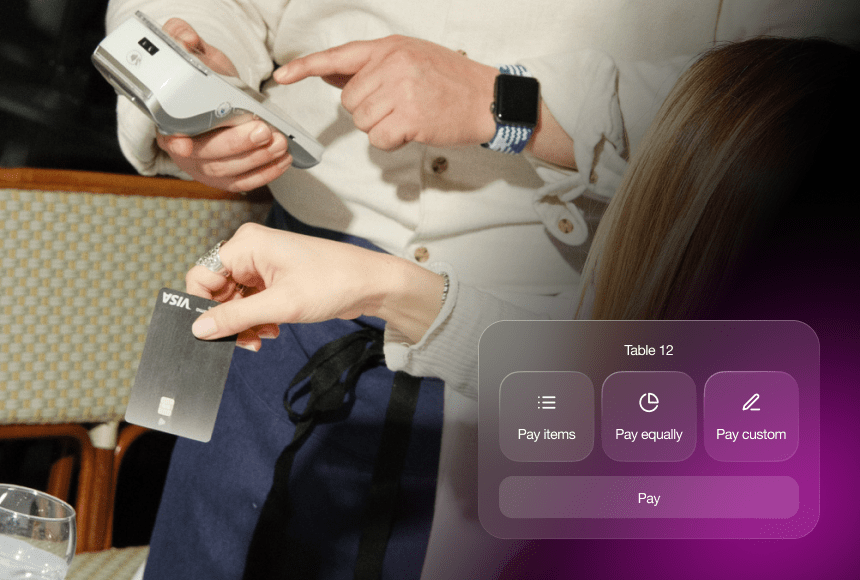
So, what exactly are digital bills? Essentially, these are electronic invoices that customers can view on their smartphones or tablets. Instead of the traditional paper slip passed around at the end of a meal or visit, a digital bill updates in real time and includes everything a customer has ordered. The technology works incredibly well in pubs, where payments often happen at different times—for instance, groups might split the cost of snacks, or someone at the table might want to leave early.
Digital bills provide a few key benefits:
- Speed: The ordering and payment process accelerates, reducing the time staff spend ferrying between the bar, the kitchen, and the card machine.
- Transparency: Customers see every pint or dish in real time. Mistakes happen less frequently, and bills are more accurate.
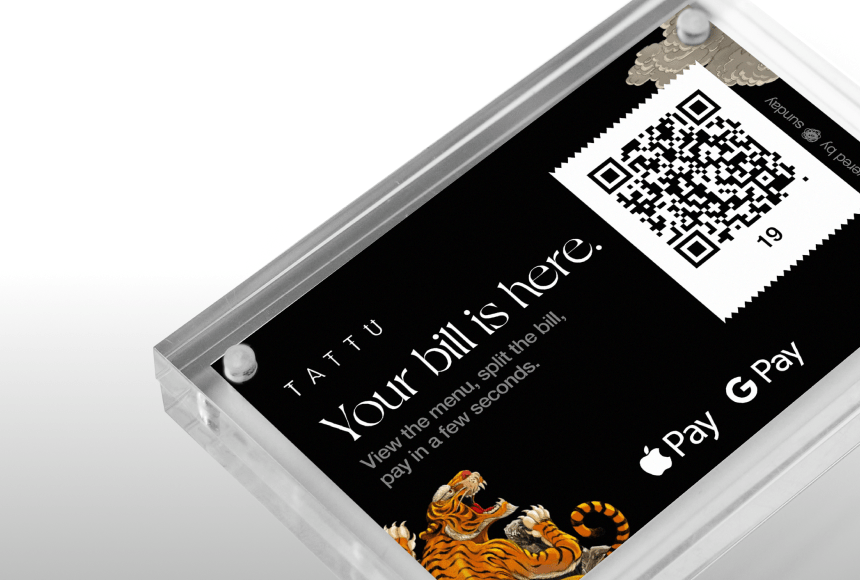
- Convenience: One scan of a QR code, and patrons can pay via their phone. No card machine. No rummaging for change.
- Efficient Tipping: Many digital systems prompt guests to leave a tip, which can mean a boost to staff morale and wages.
For pubs already grappling with unpredictable rushes, these strengths can be game-changers. Instead of lengthy back-and-forth trips between guests and the point-of-sale system, staff can pour more energy into creating a memorable experience. Just think: if your team saves five minutes per table on payments alone, how many extra customers could you serve in the same time frame?
3. Reducing the Load on Staff
Staff shortages and staff burnout are real challenges in the hospitality industry. Anyone who’s worked a double shift behind a bar or on the dining floor knows how draining it can be when things pile up: orders slip, mistakes get made, and at the end of the day, the entire team can go home feeling exhausted and undervalued.
Digital bills help reduce mental load. Picture it this way: instead of being trapped in an endless cycle of printing bills and dashing around with a payment terminal, your team can invest that extra time in greeting guests, recommending local craft beers, or simply ensuring the pub stays neat and inviting. In addition:
- Fewer Manual Errors: Manual entries can lead to double charges or items missing from the bill. A digital system logs everything automatically, cutting down on embarrassing mistakes.
- Flexible Staffing: Digital bills allow staff to focus on tasks that actually need human expertise, like upselling special menu items or handling customer service issues.
- Stronger Team Morale: When staff aren’t running themselves ragged, work feels more manageable. That leads to better service and happier employees.
This kind of improved morale can have a far-reaching effect. Staff who feel supported and have the time to converse with customers are more likely to stay, and customers who notice friendly, attentive service are more likely to return. Everyone wins.
4. Enhancing the Guest Experience
Let’s be honest: we Brits love a good pub experience. The cheers that echo from a big match on TV, the comfort of a warm Sunday roast, and the joy of sampling a new local ale are all part of the pub’s charm. But waiting for the bill can be a dampener. A table that has a wonderful time might leave with a slight sour note if they can’t get their payment sorted out quickly.
By offering digital bills, you let your guests make that final part of the journey on their own terms, whenever they’re ready. Perhaps they want to chat with friends for another half-hour before settling up. Or maybe they’re running late and need to pay quickly. Either way:
- Control over Payment: Patrons decide when they’re ready, scanning a QR code to load up the bill on their phone.
- Split the Bill with Ease: No more “crack out the calculator” drama while dividing costs among a group of four or eight.
- Review and Tip: Digital systems often incorporate a quick tipping module and even a convenient link for guests to post a Google review, should they wish to share good feedback—helping pubs strengthen their online reputation.
As guests see how easy it is to pay, they’re more likely to return to a pub that respects their time. This enhanced user experience can also result in increased tips, which lifts staff morale further. It’s a delicious cycle of positivity.
5. For the Traditionalist Landlord: Is It Worth It?
We all know that one landlord who’s been pulling pints for decades and can’t imagine swapping out the tried-and-tested method of a paper bill and a handshake. The comfort of tradition can be enticing—pub culture is about familiarity, after all. But nowadays, even local corners of the UK are adopting technology to keep pace with guest expectations. Failing to innovate risks losing out on a new generation of clientele who welcome digital convenience.
That said, digital bills needn’t replace sincerity. In fact, they can free up more time to keep your pub’s character alive: you can still chat with your regulars at the bar, discuss your latest cask ale, or sponsor local sports teams. The only difference is that behind the scenes, you’ll have an efficient, accurate, and streamlined way of taking payments.
Never fear that going digital means a “soulless” pub experience. On the contrary, your staff won’t have to dash around to find a pen or worry about a malfunctioning card machine. Instead, they can stand by, ready to socialize, pour that perfect pint, and talk about the history behind your best-selling lager. The personal touches remain firmly in your hands.
6. Setting Up Digital Payments
Much of the reluctance around digital solutions centres on setup costs, staff training, and possible technical issues. It’s a fair concern—nobody wants a system that complicates life further. However, many modern platforms, including solutions like sunday, are specifically designed to be user-friendly and quick to integrate.
The basic steps of implementation typically include:
- Choose Your Provider: Look for a company offering QR code payment options tailored to the hospitality sector. Confirm they integrate seamlessly with your existing POS system.
- Set Up Menus: Digital solutions usually require you to upload or sync your menu for accuracy and ease of reordering. This ensures the digital bill remains correct in real time.
- Test Run: Staff should practice creating test bills, scanning QR codes, and finalizing payments. This training is usually straightforward.
- Go Live: Once your team feels confident, implement the system for customer use. Offer a short explanation to guests about how to pay digitally.
- Gather Feedback: After a few weeks, ask customers and staff how the system works for them. Adjust if necessary.
Within a relatively short time, your pub’s bar staff will hardly remember what it was like to juggle endless piles of receipts. Also, the simplified process means you won’t need extra machines or complicated hardware. In many cases, a single tablet and a few printed QR codes are all that’s needed.
7. The Role of Data and Analytics
Adopting a digitally driven billing system isn’t solely about convenience at checkout. When orders are tracked in real time, you gain insights into what’s selling and what’s not. That data can be a goldmine. For example:
- Peak Hours: Identify the busiest times of day for your pub. Then, schedule staff and stockup more accurately.
- Popular Lines: Pinpoint your best-selling ales or Sunday roasts. Highlight these top performers on your menu or run promotions to keep them front and centre.
- Seasonal Shifts: Compare data over months or seasons to see which items need adjusting as the weather changes—warm mulled wine in winter might sell better than ciders, for instance.
By leveraging these insights, a publican can fine-tune everything from staff scheduling to marketing. In addition, real-time data helps with stock management—reducing waste and ensuring you don’t disappoint that group of customers looking forward to your star dish.
8. Overcoming Common Objections
“Isn’t it all a bit complicated?” “Won’t older guests or those without smartphones struggle?” These worries are valid. However, real-world practice shows that digital bills can work in tandem with traditional methods. While a majority of patrons will likely embrace scanning a QR code, you can still offer the classic paper approach for those feeling uneasy about technology. Think of it as an evolving buffet of payment options: Apple Pay, Google Pay, contactless card, and now digital bills.
You might be surprised by how many older guests adapt quickly. Many have smartphones, and the accessibility of scanning a simple code (no need to download an app if you choose a web-based solution) often wins them over. If not, a staff member is always on hand to provide guidance, just as they would with a card machine or a loyalty card.
As for the fear of a technical hiccup, reliable digital solutions are built to handle busy shifts, even if the Wi-Fi gets spotty. Some solutions come with offline modes or limited functionality that keeps the machine humming until the network stabilizes.
9. Boosting Online Reputation
A pleasant side effect of using digital billing systems is the opportunity to nudge patrons toward leaving a review online. In the pub business, word of mouth is golden. People love to check out pub reviews before heading somewhere new, especially if they’re visiting a different city or planning a special night out. By embedding a swift link for Google reviews, it becomes seamless for any satisfied patron to praise your Sunday roasts or your newly refurbished beer garden.
Every positive review adds to your digital presence, which helps your pub stand out from the crowd. Naturally, the foundation for those good reviews must be exceptional service and top-quality food and drink. But a quick payment experience that respects a guest’s time can tip a four-star review into a five-star rave.
10. Reaping the Financial Benefits
Let’s talk money—and how digital bills might just help you keep more of it. First, there’s the potential for increased efficiency, which enables your staff to handle more tables in less time. That can translate to faster turnover without making patrons feel rushed. Second, merely prompting patrons to include a tip can raise average gratuities and give your staff a morale boost.
Recurring customers are another key factor: a great experience often leads to repeat visits. When the payment process is smooth, guests perceive the entire stay as more polished and well-managed. It makes them more inclined to pop back for a weekday lunch or bring mates in for the next footy match. Loyal customers are the bread and butter of any pub—and if your processes make them feel genuinely valued, they’re far more apt to stick around and recommend you to others.
Finally, consistent data from digital bills helps you plan your finances more precisely. An oversight in manual billing could cost you a few pounds a night, but recurring errors multiply quickly. With everything accounted for digitally, there’s less guesswork when it comes to end-of-day accounts. No more rummaging through half-crumpled receipts or puzzling over a mismatch in the till count.
11. Sticking to a Unique Identity
The modern British pub stands at a crossroads between preserving tradition and embracing innovation. While digital bills bring the advantage of speed and accuracy, it’s essential to protect your unique identity—the charm that keeps locals coming back. This doesn’t have to be an either/or scenario.
Consider weaving in your own brand elements:
- Custom Branding: Some digital billing systems let you tailor the displayed checkout page with your pub’s logo, colours, or even a welcome message.
- Backstory: Share the heritage of your pub. If your pub has a storied past, a brief snippet in the digital interface can add a personal touch.
- Local Partnerships: If you’re working with local farmers or craft brewers, highlight these on the digital menu. Align with the growing demand for local and sustainable produce.
The result? You retain that cosy, community feel, while also offering a modern, convenient twist that can win over new and existing customers alike.
12. The Subtle Role of sunday
Were you aware that certain solutions—like sunday—make it incredibly straightforward to integrate digital bills into your pub workflow? Picture a single QR code at each table that instantly loads a real-time bill. Your patrons simply scan, confirm their order, pay, and leave a tip. They can even be prompted to leave you a helpful review online, supporting your digital reputation.
But the biggest advantage might be the intangible one: a reduction in the stress that typically hits during peak hours. That sense of calm can have a ripple effect on every aspect of your pub, from staff retention to word-of-mouth recommendations.
13. Looking Forward: The Future of Hospitality
If the past few years have taught us anything, it’s that the hospitality industry must be prepared to adapt—quickly. Changing social habits, labour uncertainties, and new technologies all steer the direction of UK pubs. While tradition remains a bedrock, it’s not incompatible with innovation. The sight of friends huddled together around a wooden table might never change, but the way they settle their bills surely will.
In a sense, digital bills act as a subtle revolution: they’re invisible until the moment a customer decides to pay. That final step is often overshadowed by everything else, but it’s one of the most pivotal experiences in a pub. It’s the goodbye note you leave your patron with as they step out the door.
For any pub determined to thrive in the modern day, leaning into digital innovations isn’t just a nod to current trends—it can be a strategic move to safeguard your location for the long haul. By keeping staff from feeling overwhelmed, keeping guests satisfied, and keeping finances in check, digital bills might be the quiet hero that ensures your business remains as welcoming tomorrow as it is today.
14. FAQ
Q: Are digital bills difficult to set up in my pub?
A: Generally speaking, no. Many platforms guide you through setup step by step. The process can be as simple as uploading your menu, printing out table-specific QR codes, and integrating the system with your existing POS. Staff usually pick up the workflow in just a few training sessions.
Q: Don’t some customers prefer paying the traditional way?
A: Certainly, a handful may. Offering both paper and digital bills can cater to every preference. Most people, however, enjoy the added flexibility. You’re providing more choice—which tends to make everyone happy.
Q: How will digital bills help me reduce costs?
A: When staff spend less time running back and forth with payment terminals, they can focus on added-value tasks like upselling or delivering excellent service. You also cut down on wasted receipts, reduce billing errors, and potentially increase table turnover. Those efficiencies add up, improving your bottom line.
Q: What if my Wi-Fi fails?
A: Most reputable digital payment solutions allow for offline or temporary modes if the connection goes down. Be sure to check a provider’s specific features for how they handle connectivity issues. In any case, you can keep a backup route for payments, like a standard card machine, just in case.
Q: Will digital bills alienate my older customers?
A: Very unlikely. Many seniors are already adept at using smartphones, and the QR code process can be extremely simple. However, you can always offer paper bills in tandem. Provide guidance and let guests decide which method they prefer.
Q: Does every digital billing system allow guests to leave an online review?
A: Not all solutions come with an integrated review feature. If boosting your online reputation is a high priority, look for a platform like sunday that includes a quick way for patrons to share their impressions on Google or other review sites.


 1min
1min
 1min
1min