Mastering the Festive Rush: A Practical Guide for UK Restaurant Owners
December is often the busiest month for UK restaurants, driven by festive gatherings and enthusiastic diners. This rush can overwhelm teams unprepared for extra footfall, special menus and staff shortages. Efficient staffing strategies involve balancing seasonal recruits with core team members, clarifying schedules and roles, and offering effective training. Encouraging staff motivation, from fair job distribution to tips management, is key. Thoughtful technology investments, such as mobile payments and automated scheduling, also boost efficiency. Ultimately, a transparent approach to staffing, combined with inclusive leadership, enables you to ride out the December wave with confidence.
1. Why December Demands a Different Approach
The end of the year is a unique time for the restaurant industry. It’s not just about the Christmas lights and glittery décor. It’s a period when you’re suddenly juggling a dramatic increase in bookings, unpredictable groups of diners, and the average ticket size that can jump overnight. With office parties, large family get-togethers and holiday travellers all converging under your roof, December truly stands apart.
In the UK, social traditions and the excitement of the holiday season turn restaurants into hotspots for celebrations. People tend to spree on special treats, limited-edition menus and cocktails, and they bring along a spirit of generosity that can translate into bigger tips. But these high expectations also bring pressure. If you’re not ready for it, the “Madness” part of December can become all too real.
Staffing during this period requires a plan that is specifically tailored to meet surging demand while protecting your core team from burnout. The capacity for your restaurant to deliver a seamless experience hinges on the right balance of people, their skills and their motivation.
2. Anticipating the Holiday Rush with Accurate Forecasts
Forecasting demand is half the battle. December can be notably unpredictable, especially as year-end business events and last-minute reservations pop up. Some days might be quiet, while others explode with bookings. Understandably, you don’t want to overstaff and risk ballooning labour costs, nor short-staff and risk losing customers. So how do you make a reliable prediction?
- Review Your Past Data: Look at last year’s December figures and identify patterns. Track which weekends, weekdays or specific holiday dates saw the highest customer volume. Then cross-reference these with your latest sales trends.
- Leverage Local Insights: Are there major festivals, office buildings, or community events in your area? If so, your restaurant may be on people’s radar as a post-event dining option. Similar logic applies to tourist areas—knowing what visitors at local hotels might do can really help you forecast better.
- Encourage Early Bookings: Offer incentives for customers to reserve in advance. This not only gives you a clearer picture of headcount but also allows you to optimise your staff planning.
Balancing forecasts with real-time data is crucial. During December, keep an eye on your reservations daily. Encourage your team to note fluctuations, such as cancellations or last-minute group bookings. This short-term data can refine your staff roster each week.
3. Building the Right Team Mix
When the holiday whirlwind arrives, you want your staff almost like a well-structured brigade of chefs, each fulfilling a clear role. Some bring years of experience; others might just be starting out. For December, it’s often beneficial to hire seasonal staff to meet the temporary surge in demand. However, blending short-term recruits with your long-term employees can be tricky.
Here’s a recommended approach to getting the right mix of team members:
- Identify Core Roles: Who are your essential players: head chef, sous chef, shift managers, senior servers? These roles require consistent presence, especially when it gets hectic. Make sure they don’t burn out by overloading them with extra hours. Prioritise training new hires or giving additional tasks to others, so your core team remains energised for the busiest nights.
- Seasonal Staff Onboarding: December temp staff should slot in seamlessly. Offer a concise but comprehensive orientation that includes menu knowledge, essential service protocols, and your restaurant’s ethos. Think of it as a quick marinade—it doesn’t have to be exhaustive, but it should be flavourful enough so that new hires feel included and confident.
- Allocate Clear Responsibilities: Ensure every person knows exactly what they should be doing. Seasonal hires may often need specific instructions: “You’re responsible for clearing tables,” or, “You handle the drinks orders on Section B.” This clarity eradicates confusion, streamlines service, and ensures no corner of your restaurant is neglected.
4. Scheduling Smartly: From Shift Patterns to Rest Times
A well-crafted schedule is the backbone of any hospitality business—especially so in December. You might see your reservations jump from an average of 50 covers on a weekday to over 150 covers, and you’ll need the right coverage. But watch out: intense shifts can lead to fatigue, which can compromise the quality of service and ultimately put your team in a slump during the season’s most critical weeks.
- Use Dedicated Tools: Instead of juggling printed timetables, consider automated scheduling solutions that help match staff availability with predicted demand. These platforms allow staff to swap shifts, request time off, and report availability more easily, keeping everything visible in real-time.
- Respect Rest Periods: The UK’s Working Time Regulations require staff to have adequate rest breaks and days off. Maintaining legal compliance isn’t just about ticking boxes; it’s vital for staff health and performance. A short-handed but well-rested team often outperforms a larger, exhausted team.
- Keep Communication Open: Post schedules well in advance and remain flexible if staff have personal or family holiday obligations. Nothing cranks up the tension faster than a staff member who has missed a family commitment because of a last-minute schedule change.
If you have a strong forecasting model, you can further refine shift rosters by pinpointing your busiest hours on a daily basis—lunch rushes, dinner peaks, or weekend brunches. Don’t just schedule by the day—schedule by the hour. Doing so ensures you have the right number of staff for each shift segment.
5. Training to Achieve Peak Performance
Training isn’t just for new staff. In December, even your veterans may need a refresher on new seasonal menus, promotions, and service protocols. Additionally, upskilling your team on how to manage stress, handle complicated reservations, and gracefully recover from mistakes can be game-changing.
Consider focusing your training on:
- Upselling Holiday Specials: Encourage staff to talk about your limited-time offers. Train them to spark interest rather than push for a sale. For example, highlight unique flavours of a roast turkey marinated in mulled wine spices or an indulgent dessert that’s the perfect finale to a festive meal.
- Customer Engagement: December is about building a sense of occasion. Train your team to share mini-stories about your dishes or respond enthusiastically to any queries. When staff can passionately describe that special Christmas pudding made with a family recipe, customers feel they’re getting a personalised experience.
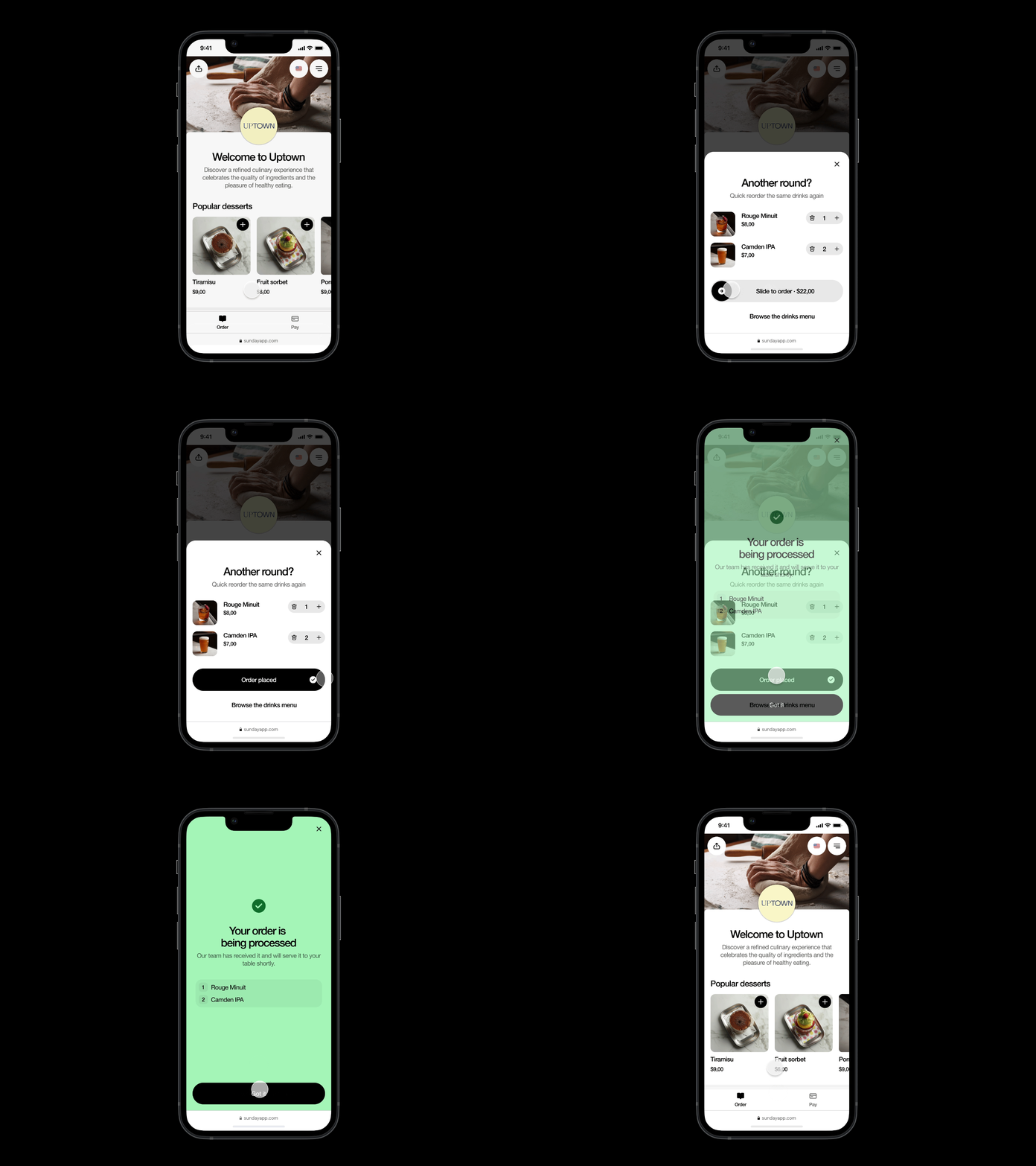
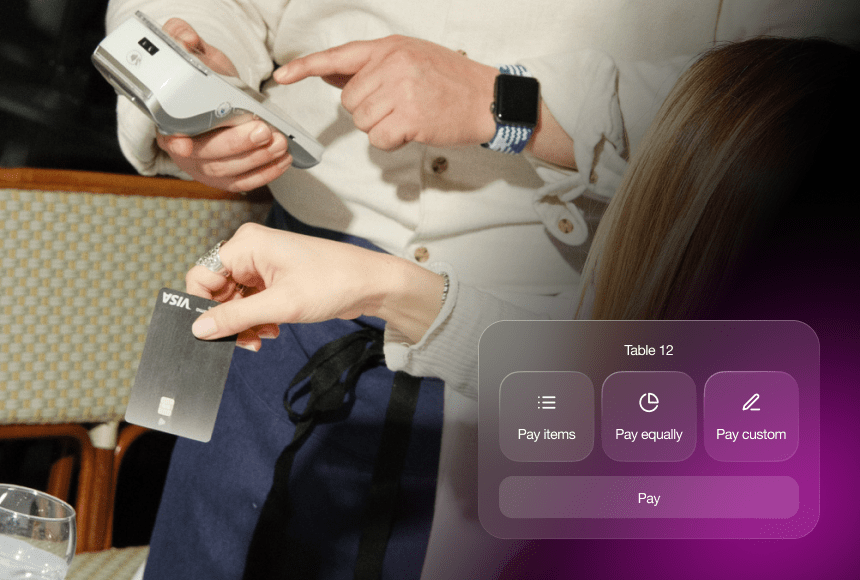
- Technology Proficiency: If you’re using a modern point-of-sale system, like a handheld card reader or a contactless mobile payment solution, ensure everyone is comfortable with it. This is especially important in the dizzying hustle of December, where fast transactions keep the queue moving and guests happy. For instance, using sunday’s QR code payment solution can drastically cut wait times at tables, meaning your team can serve more customers without feeling rushed.
A quick training workshop or a fun competition among staff—like who can name the most seasonal dishes under pressure—can build team spirit. When everyone feels confident and prepared, it shows on the floor.
6. Motivating Your Team for the Festive Battles
Let’s face it: December can be exhausting for everyone. Encouraging staff to stay motivated requires more than an occasional pat on the back. Think carefully about how to keep morale high:
Offer Fair Tip Distribution: In many UK restaurants, tips form a significant part of servers’ income. As the holiday generosity flows, ensure there is a transparent and fair policy in place for distributing tips. Technology such as integrated tipping options on a digital payment platform can simplify the process. Your staff will appreciate the clarity, and it can be a major morale booster.
Celebrate Achievements: Even small wins—like hitting a record number of covers in one night or raising the highest charity donation from a Christmas menu—deserve recognition. Use a staff bulletin board or group chat to give shout-outs.
Provide Well-Deserved Breaks: Although December is peak season, over-scheduling isn’t sustainable. An exhausted server forced to work 60+ hours a week is more likely to make mistakes or snap at customers. Show your empathy by honouring break times, scheduling staff meal breaks together, and providing mental support if it’s all becoming a bit too intense.
It’s from this place of mutual respect that you’ll see your staff willingly deliver extra, that intangible spark that makes December in a restaurant so magical.
7. Dealing with Last-Minute Changes
December is famed for surprises. Bookings can fluctuate, staff might fall ill, or large office parties can show up an hour early. Being prepared for the unexpected is critical.
- Establish a Standby System: Consider having one or two part-time staff “on-call” during peak dates. They can come in if there’s a sudden influx of diners or cover for a colleague who’s unable to work.
- Prepare Backup Menus: Sometimes, key ingredients may run out or deliveries could face delays due to holiday traffic. Keep a simplified backup menu with easy-to-execute dishes that use versatile ingredients.
- Communicate Rapidly: If staff can’t make their shift, encourage them to notify you the moment they realise there’s an issue. Use group chats or scheduling apps to relay last-minute updates so the rest of the team can adapt quickly.
Success often lies in agility. A culture that is solutions-oriented—and not blame-oriented—can make the difference when facing those unplanned jolts of December madness.
8. Leveraging Technology for Faster, Smarter Service
In the midst of the festive rush, technology can be your best sous-chef. From streamlining staff management to boosting customer satisfaction, the right tools can significantly reduce friction.
- Smart POS Systems and Card Readers: Traditional terminals attached to a single till are often bottlenecks. Modern handheld card readers or integrated solutions tie everything together—orders, payments, and tipping options—so the process from kitchen to table is efficient.
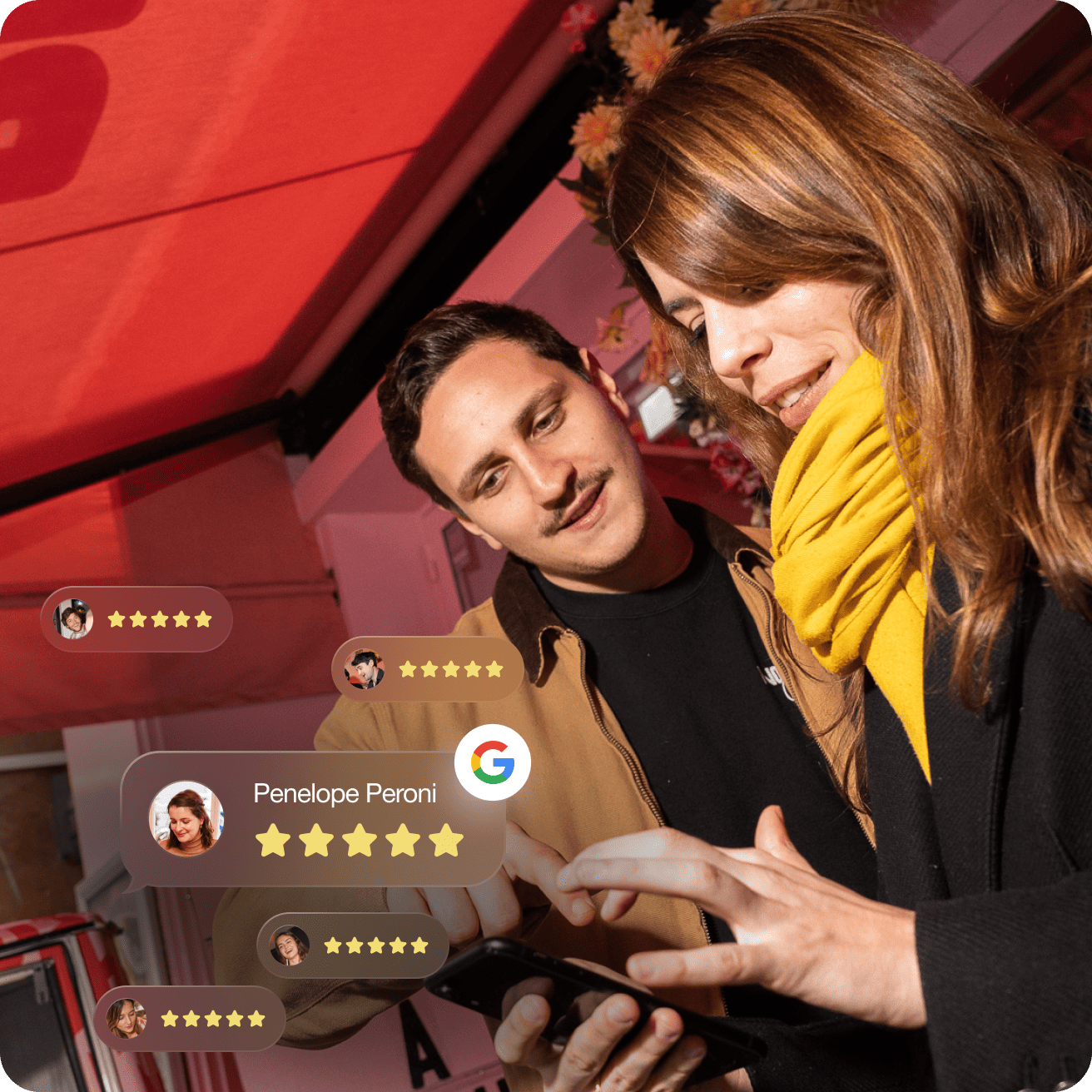
- Dedicated App or QR Code Payments: By adopting digital payment options like sunday, diners can settle their bill through a quick QR code scan. Quicker transactions free up staff to handle the next table, which is crucial when the place is heaving with guests. Additionally, diners can leave feedback or even post Google reviews on the spot—boosting your online reputation during the busiest time of the year.
- Online Booking Management: Encourage customers to book online, where they can see exact availability. This minimises phone calls and helps gather data about group size and special requirements in advance.
It’s not about replacing the personal touch—technology should empower your team to focus on hospitality rather than repetitive administrative tasks.
9. Retaining Staff Beyond December
You might ask: “Why invest heavily in training, onboarding and motivation if half the staff are seasonal?” The answer is simple: not everyone has to leave when January dawns. Impressing new hires with your supportive environment can transform temporary workers into permanent team members.
On the flip side, for your regular staff who have battled through the intense holiday marathon, a sense of loyalty and belonging can grow if you handle December responsibly. Offer opportunities for advancement or new responsibilities in the quieter months—maybe you want to expand your events business or explore more advanced culinary concepts. Show how the skills they sharpened during December can translate into long-term career growth.
The hospitality sector is known for high turnover. While not everyone will stay, retaining even a fraction of your best new recruits can make the next busy season that much smoother.
10. Embracing Diversity and Inclusivity in Your Team
December festivities attract diverse customers, so having a staff team that reflects different backgrounds, languages and experiences is an asset. Encourage a culture where everyone feels comfortable sharing ideas or concerns.
Inclusivity is also about making sure staff who don’t celebrate Christmas (or have different cultural traditions) still feel valued. Where possible, offer them flexible scheduling options or alternative holiday times. Such empathy not only promotes staff satisfaction but also enriches the atmosphere of your restaurant. Diners notice when the team vibe is genuinely warm.
11. Managing Costs: Balancing Efficiency and Quality
Extra staff, extended hours, holiday decorations… December can throw your usual budget calculations off balance. But while controlling costs is important, there’s a fine interplay between cost-cutting and delivering the quality experience your diners expect.
| Strategy |
Potential Savings |
| Forecast-driven staffing |
Reduce idle labour costs & avoid overstaffing |
| Automated scheduling tools |
Fewer scheduling errors & lower admin workload |
| Technology-based payments |
Shorter transaction times & improved table turnover |
A minor investment in the right tools or additional training can generate significant returns in efficiency, staff satisfaction, and guest loyalty. When you spot-lower staff during off-peak hours, you cut waste. But it’s equally important to ensure you have enough people in the thick of rush hours—skimping on staff where they’re needed can backfire with poor reviews and lost customers.
For reference on fair wages and labour entitlements, you can consult the UK National Minimum Wage rates, and keep an eye on official holiday pay policies to ensure compliance in those crucial December weeks.
12. Harnessing the Festive Buzz for Marketing
Alongside all these staffing strategies, don’t forget that December offers exceptional marketing opportunities. Your staff can be brand ambassadors, sharing the excitement online and offline. A happy, well-prepared team exudes good vibes that customers will remember.
- Showcase Team Spirit: If comfortable, encourage staff to share the restaurant’s festive stories on their social media. Behind-the-scenes glimpses—like decorating the dining area or tasting new holiday cocktails—can attract local interest.
- Collect Reviews in Real-Time: Because December nights are high-energy, diners are often more inclined to leave a glowing review if they’ve had a great time. Built-in review prompts—like those integrated into sunday payments—are a subtle nudge at just the right moment.
- Collaborate with Local Businesses: Partnering with a nearby bakery or craft brewery to offer a limited-edition festive product can generate buzz and possibly drive new customer segments your way.
Embrace the energy flowing through your restaurant. Showing genuine cheer and warmth encourages customers to share their experience, expanding your reach and building your reputation.
13. Sustaining Momentum After the New Year
Once you’ve conquered December, it’s tempting to crash and take a breather. But the start of the new year is a ripe opportunity to reflect on what worked well—and what didn’t. Could your scheduling system be refined? Did you handle staff training effectively? Did certain menu items just breeze through the kitchen while others slowed everything down?
Plan an informal team check-in. Brew a pot of coffee (or whip up some leftover eggnog!) and gather everyone’s feedback. Valuing your staff’s input fosters a stronger sense of belonging and helps you refine processes for the next big season, be it Valentine’s Day, Easter or the summer rush.
FAQ
How far in advance should I start planning my December staffing?
Ideally, begin your preparations in early autumn. This gives you time to forecast, hire seasonal help, train them, and finalise schedules by late November. The more lead time you have, the less scrambling you’ll face when bookings start to spike.
Is it worth investing in extra technology just for the holiday rush?
Yes, if that technology can also streamline operations year-round. A modern point-of-sale system or a digital payment method isn’t solely for December; it improves table turnover and customer satisfaction in all seasons. The holiday rush is just a powerful reason to adopt it sooner.
Should I pay seasonal hires the same as permanent employees?
This depends on their role and experience, as well as local regulations. Always follow minimum wage guidelines and ensure fairness. Some employers offer slightly higher hourly rates for short-term seasonal roles to attract quality hires quickly.
How can I minimise staff burnout during December?
Plan realistic shifts, respect rest times, and encourage an environment of teamwork. Simple gestures like staff meals, short breaks for fresh air, and a supportive atmosphere go a long way. Recognition and communication also help—make people feel valued for their hard work.
Is it possible to keep December recruits once the rush is over?
Absolutely. Some might become core staff if they enjoy the experience, and you see potential in their work ethic. Offer opportunities for growth or flexible hours. Retaining good seasonal hires can reduce your recruitment burden for future busy periods.


 1min
1min