Calm Before the Feast: Mastering Pickup and Beating the Peak-Hour Rush
Customers love collecting ready-to-eat meals from restaurants, but the rush can become hectic if not handled well. Encouraging pre-orders stops last-minute crowding and reduces wait times. Efficient signposting and communication help drivers or pedestrians find the correct pickup spot. Offering an online payment option streamlines service, cutting out confusion at the counter. Training your team to prepare, package, and dispatch in a steady, predictable rhythm will increase their confidence and performance. Monitoring data from your point-of-sale system and adapting accordingly allow you to keep improving over time.
1. The Hidden Opportunity in Pickup Traffic
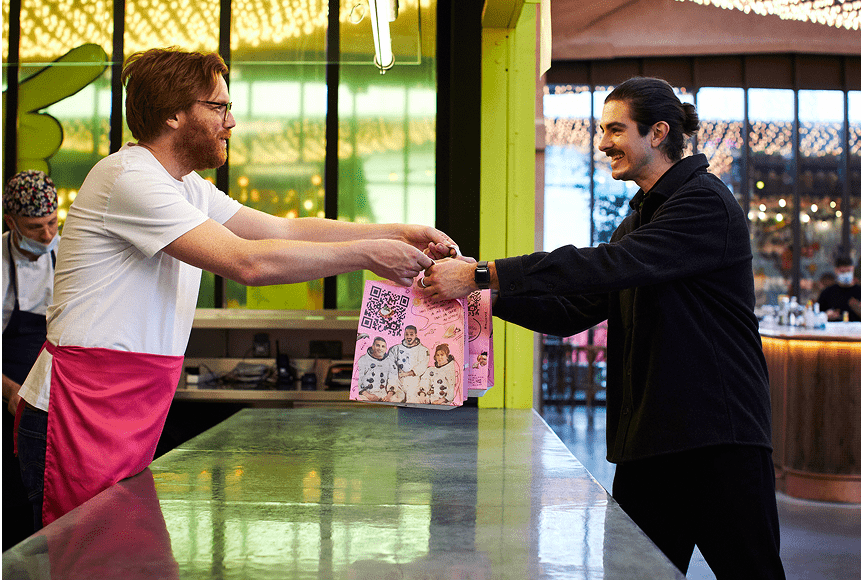
Picture those bustling moments when someone pops in to collect a takeaway order. If the line snakes out the door, the phone is ringing off the hook, and the team is weaving between tables, your pickup counter can quickly become a high-anxiety zone. But there’s a hidden opportunity here. By smoothing out pickup traffic before peak hours, you can:
- Boost customer satisfaction through shorter wait times.
- Reduce costs by making better use of staff during quieter periods.
- Encourage higher order volumes by offering a pleasant, predictable pickup experience.
- Keep your environment calm and welcoming, even at peak hours.
When pickup flows seamlessly, the entire dining experience benefits. Diners sitting in the restaurant won’t feel overshadowed by the queue at the counter, and your staff can maintain their focus. The restaurant becomes more efficient and less stressful—like a well-orchestrated kitchen or a perfect marinade that’s allowed to rest before cooking.
2. Timing Is Everything: Understanding Pre-Peak Behaviour
Ever had a frantic lunch rush that starts at noon, with a flurry of last-minute phone-in orders or online requests? Wouldn’t it be grand if you could space out these pickups so they come at a more measured pace—say, in the half-hour leading up to the official rush? Encouraging early pickups begins with a deep understanding of your customers’ habits.
Draw on existing POS data (or customer feedback) to identify the most common times for pickup. Are there days when phone orders spike at unusual moments? Does your area have regular events—like a local sports match—that drive sudden traffic? Knowing these patterns can help you adjust your marketing and staff scheduling:
- Friendly Reminders: Prompt customers via social media, email, or even signage in-store to collect orders slightly earlier.
- Small Incentives: Offer a modest discount for orders picked up ahead of the rush, encouraging them to come at quiet times.
- Adjust Staff Rotas: Redeploy staff to handle phone or online orders leading up to the usual crush.
According to UKHospitality (https://www.ukhospitality.org.uk/), intelligent scheduling can significantly impact both customer satisfaction and overall turnover. Pre-peak planning isn’t just about avoiding chaos— it’s also a way to create a more positive relationship with your clientele.
3. Communication Channels: Setting Clear Pickup Expectations
We’ve all seen the frustration in a customer’s eyes when they show up on time, only to discover their order still waiting to be prepared. Clear communication—a skill as crucial in the front of house as it is in the kitchen—stops this meltdown before it begins.
Think about all the information you can provide in advance to set realistic expectations:
- Order Confirmation Messages: When a customer places an order by phone or online, confirm the estimated collection time in writing—via SMS, WhatsApp, or email.
- Status Updates: A quick “Your order is almost ready” message is a simple nudge that can prevent them from rushing early, and from you scrambling to keep up.
- Order Tracking: Some restaurants integrate tracking features into their online platforms. When your system pings a customer that food is about to be bagged, they’ll know precisely when to head over.
Peppering these strategies into your usual routine ensures potential confusion melts away. And the more predictable the flow of arrivals, the calmer your staff will be.
4. Physical Layout: Signs, Cues, and the Perfect Pickup Spot
Long lines form partly from uncertainty: Where is the pickup counter? Is it the same as the main bar? Should customers queue by the door or near the kitchen? Answer these questions before they ask by optimising your layout.
If you have space, create a dedicated pickup zone with clear signage—like a well-marked station in the corner away from the main dining area. If you’re tight on space, you might consider:
- Distinctive Markers: An eye-catching sign or even a piece of artwork that indicates exactly where the pickup queue should form.
- Floor Markings: Subtle floor stickers or lines to keep things organised, especially during busy times.
- Staff Guidance: A designated staff member to greet and guide visitors, giving them a warm welcome and a seamless order handover.
Tweak this physical setup based on your real-world observations: if you see bottlenecks forming \u0022just past the bar\u0022, shift furniture or route the queue differently. By controlling foot traffic, you’ll see fewer scuffles at the door and more smiles on both sides.
5. Smart Menu Structures: Easing the Wait Even Before Ordering
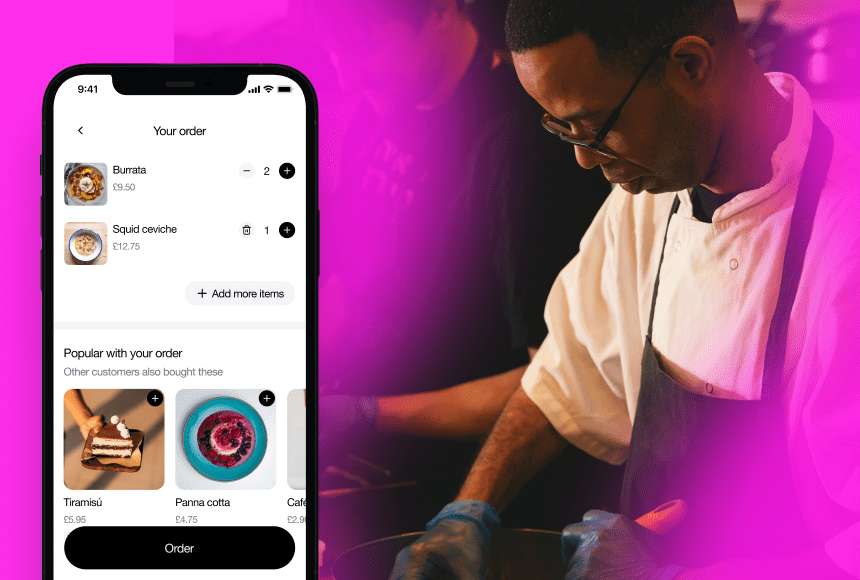
Smooth pickup doesn’t start at the moment of collection—it starts when the customer is deciding what to order. A well-designed menu is like a culinary map: if your menu is easy to navigate, orders are faster to place, and staff can allocate resources properly.
Consider making a separate “quick pickup” menu featuring dishes that can be prepared promptly without compromising quality. People in a hurry often opt for simpler favourites rather than extensive tasting plates. Label those dishes clearly on your online ordering platform, adding notes like “Ready within fifteen minutes!”
Some top tips:
- Highlight Prep Times: If you offer a speedy soup or fresh salad that’s quicker to make, note this on your menu.
- Emphasise Shelflife: Dishes that stay flavourful even if picked up early help customers comfortably arrive before the rush; if the dish won’t suffer from a slight wait, say so.
- Bundle Deals: Combine popular items in a well-priced bundle. Not only does this boost revenue, but it also simplifies the ordering process, leading to fewer delays.
Keep it as straightforward as possible. That way, your team can prep and pack meals consistently and swiftly, clearing space for any custom or more complex orders.
6. Pre-Order Incentives: Pulling Customers Forward
Few things motivate a person more than the promise of a tasty discount or reward. By encouraging diners to pre-order for collection before typical peak times, you give them a nudge in the right direction—and help your kitchen balance the workload.
Think of these tactics:
- Early Bird Offers: A small price reduction if customers agree to pick up their order at least 30 minutes before your usual surge.
- Exclusive Extras: Throw in an extra side dish, a free beverage, or a loyalty reward for those loyal customers who help ease your restaurant’s busiest half-hour by ordering in advance.
- Nostalgia Promotion: Offer a “Chef’s Throwback Dish” that’s only available through pre-order, tapping into customers’ sense of novelty and encouraging them to arrive earlier.
While it might require a marketing push, these incentives are gold once the routine sets in. People love feeling like insiders, especially when that means avoiding queues. The result? More consistent order volume, a calmer environment, and a better staff experience.
7. Training Staff for the Pickup Flow
Smoothing pickup traffic isn’t just about new strategies—it’s also about how effectively your team executes them. Staff training can turn potential chaos into a graceful dance. Focus on these areas:
- Greeting and Confidence: Start each pickup with a friendly welcome. Train employees to quickly identify whether the customer’s order is ready, or if they need just a moment’s patience. A confident greeting reduces anxiety for both parties.
- Consistency in Packaging: Lids sealed? Utensils included? Drinks labelled? Make sure these details are standardised so staff aren’t scrambling to correct mistakes at the last minute.
- Payment and Tipping: Encourage staff to introduce convenient payment options—like a QR code by the pickup station. That way, your guests can pay immediately (and possibly leave a tip) without fumbling for cards or mobile wallets.
- Problem-Solving: Mistakes happen—orders get mixed up, items get overlooked. Teach your team to offer quick solutions: a free drink while the kitchen corrects the order or a friendly apology that shows genuine concern.
Staff morale is just as important as technical know-how. Celebrate small wins—maybe your record for the number of perfectly executed pickups in an hour—and create a culture where everyone can calmly handle a rush without it feeling like an never-ending marathon.
8. Keeping Payment Quick and Confusion-Free
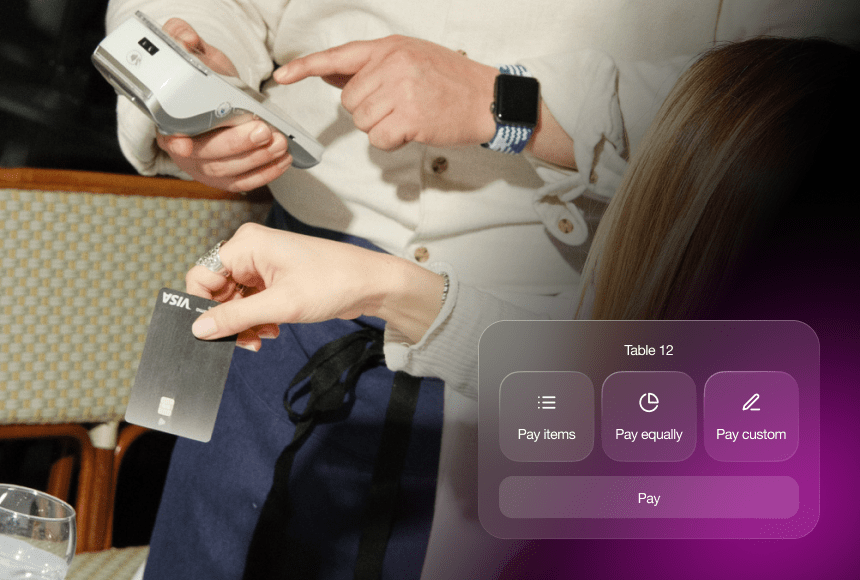
Payment can be a thorn in the side of a swift pickup. Even contactless card scans can queue up if every customer arrives at once. That’s where technology solutions like sunday step in, encouraging guests to pay via QR code. By folding the payment process into your customers’ phones, you:
- Eliminate the need to pass around the card machine.
- Give customers the flexibility to add a tip effortlessly.
- Enable a quicker turnaround, as staff are no longer pinned down at the till.
According to a 2022 article on Big Hospitality (https://www.bighospitality.co.uk/), adopting technology for contactless transactions can reduce average wait times by up to 30%. This alone can entirely change the peak-hour picture. When paying is so easy, your staff can keep the line moving and focus on the next pickup rather than tapping away at a card terminal.
For new or returning customers, the promise of a frictionless process is a powerful draw—particularly for time-strapped professionals on a quick lunch break or families juggling children and errands.
9. Encouraging Online Reviews to Promote Your Pickup Experience
Word of mouth is invaluable. If your pickup process stands out, customers will talk about it. This is where positive online reviews come into play—especially Google reviews that show up in local search results for potential new customers.
After a pleasant, speedy pickup, you can invite your guests to leave feedback by:
- Sending a Follow-Up Message: Include a gentle nudge with a link to your Google review page. A quick line, “We’d love your feedback, it keeps our team motivated.”
- Encouraging One-Tap Reviews: If you already have a digital payment process in place, incorporate a seamless redirect to your Google business listing so they can drop a rating immediately.
A glowing review of your pickup service can do more than attract new customers. It also reinforces your reputation for efficiency—a clear advantage in an industry where speed and friendliness go hand in hand.
For detailed tips on how to maximise Google reviews, check the official Google guide (https://support.google.com/business/answer/3474122?hl=en). It covers best practices for garnering genuine, high-quality feedback from real patrons.
10. Data-Tracking and Forecasting
Smoothing out pickup traffic for the long term calls for consistent data tracking. Think of each order as a puzzle piece in the bigger picture of your restaurant’s performance. Your point-of-sale system—whether integrated with online ordering or not—can provide insights into:
- Peak Times by Day or Dish: Identify which meals are consistently demanded in the hour before lunch or dinner rush. Focus your staff accordingly.
- Average Pickup Duration: How long does it take customers to arrive after placing an order? Are there patterns that indicate you need to adjust your stated prep times?
- Customer Conversion: How many people pre-order when you offer an incentive? Does a certain discount or freebie make the biggest impact?
Armed with this information, you can forecast how many staff you’ll need on certain days, which ingredients you should stock up on, and whether you should tweak your menu to better accommodate last-minute additions. This is your secret sauce to long-term efficiency.
11. Streamlined Pickup for Different Restaurant Formats
Not every restaurant is the same. A takeaway pizza joint will face a different set of challenges compared to a fine-dining spot offering multi-course meal kits. Here are a few scenarios and tips:
11.1 Fast Casual or Quick Service
For places serving salads, wraps, or bowls where customers frequently order on the go, speed is paramount. A small, consistent menu with quick assembly lines can minimise confusion. Offer combos that are ready to go in seconds, and let Sunday’s QR payment solution handle the bill.
11.2 Full-Service Restaurants with Takeaway
If you’re a cosy bistro or a mid-range restaurant, your brand might rely on a warm, personal experience. Ensure that your pickup zone is still welcoming—chances are many takeout customers are loyal fans who love your main dining area but can’t stay this time. Make sure each staff member is trained to keep the personal touch, greeting guests with sincerity and hooking them in for a future dine-in visit.
11.3 Fine Dining, Gourmet Experiences
High-end restaurants don’t typically rely on walk-in pickups, but they might offer tasting menus packaged for at-home enjoyment. Presentation is key, so staff must allot sufficient time to pack items elegantly. Communication is crucial, reminding diners to arrive exactly when their multi-course sets are ready—even five extra minutes can diminish the experience if they’re waiting in the car with a gourmet meal.
In any scenario, consistent branding across the pickup experience fosters positive word of mouth, turning a simple collection into a delight.
12. Maintaining Great Staff Morale Throughout the Rush
When your team is facing a swirling queue of eager customers, tensions can build if they don’t have the tools and support to perform well. One of the best ways to keep staff morale high is to treat them as vital partners in your success. Show that you’re working together to achieve a smoother operation, especially before the big wave of customers hits.
Consider these approaches:
- Micro-Meetings: Before the shift, do a short huddle. List all big orders. Highlight any special instructions or tricky demands. Give staff a chance to ask questions or raise concerns.
- Targeted Tasks: During pickups, define clear roles: one person handles assembly, another focuses on bagging, a third manages final checks. Preventing role overlap means fewer mistakes and a more efficient flow.
- Positive Feedback Loop: If someone nails a complicated request without a hiccup, let them know you appreciate it. If a staff member’s speed has improved significantly, celebrate that high note.
When employees feel empowered and appreciated, they’ll perform better, especially under pressure. Even if the rush becomes intense, that team spirit keeps the environment warm and helps you deliver top-notch service under any circumstance.
13. Turning Early Adopters Into Ambassadors
People who appreciate a hassle-free pickup often become your restaurant’s biggest brand champions. Incentivise them to spread the word. With the help of quick payment tools—like sunday—and friendly staff, these customers might:
- Encourage friends to order from you because “the pickup is always quick and easy.”
- Tag your restaurant on social media to share their experience.
- Leave stellar reviews, referencing how well-managed your pre-rush period is.
A half-dozen enthusiastic fans can bring in many more, effectively replacing high-cost marketing campaigns. And the endorsement is genuine—spreading organically because your system really does make their daily routines smoother.
14. Monitoring and Continuous Improvement
You might implement a flawless system today, but tomorrow’s patterns could shift. A new office opens down the street, changing lunchtime dynamics; a public holiday modifies traffic flows for the week. Stay flexible and keep an eye on changes in the data your POS system provides.
Tips for ongoing improvement include:
- Weekly Check-Ins: Scan your metrics—pickup times, busiest windows, average queue length—and compare them to your desired goals.
- Customer Feedback Surveys: Short, pleasant feedback forms. Ask specifically about the pickup process: “Was your order ready on time? Did you feel welcomed?”
- Staff Debriefs: Encourage your team to share any friction points. They might spot improvements an automated system wouldn’t.
Gradual adjustments, consistently applied, lead to breakthroughs. As you refine your pickup system, the entire restaurant grows more nimble and responsive—even if your foot traffic doubles.
15. FAQ
- What if my restaurant is located in a busy urban street with no dedicated parking?
It’s all about communication. Tell your customers about the best parking or quick-stop areas nearby. Use clear signage outside, so they know exactly where to collect. If possible, consider partnering with adjacent businesses to share a short-term pickup bay.
- How can I avoid queue build-up during online order pickups?
Reduce confusion by implementing a separate pickup zone. Send clear order status updates, and encourage easy online payment so guests don’t spend extra time at the counter.
- Do pre-order incentives actually work?
Absolutely, as long as they’re communicated effectively. Even a small discount, a free side, or loyalty points can motivate customers to change their usual habit and pick up earlier.
- How can technology solutions like sunday help my pickup flow?
By enabling QR code payments and digital tipping, you reduce bottlenecks and free staff to handle more orders more efficiently. Your guests get a seamless experience, and your team can keep moving.
- Can I streamline pickup for large catering orders?
Yes. Require that large orders be placed in advance with a clear pickup slot. Offer direct communication channels (phone, email, or a dedicated online form) to confirm details, preventing last-minute surprises and ensuring staff can allocate time for proper preparation.


 1min
1min