Festive Workplace Meals: Why Pre-Orders Are Shaking Up Lunchtime
In the UK, office workers are increasingly choosing to pre-order lunches in the run-up to Christmas. Busy professionals want quicker service, less queueing, and guaranteed availability for popular festive dishes. Kitchen teams benefit too, as accurate order counts reduce stress and wastage. Restaurants can better manage staffing, stock levels, and table turns. Pre-ordered lunches often attract corporate events or group bookings, boosting revenue during an already hectic season. It’s also an opportunity to offer special menus, all while streamlining operations with modern payment systems and digital solutions.
1. A Growing Festive Office Tradition
If you run a restaurant in the UK, you might notice a particular pattern each year come December: more buzzing lunch crowds, especially from offices. This isn’t just the random Friday staff outing anymore. Teams are venturing out for midweek Christmas treats, quick stand-up lunches, or even full-blown holiday feasts. And one behaviour is becoming increasingly common: they’re opting to pre-order.
Why does this matter to restaurant owners? Because when office workers decide to organise a large group lunch before Christmas, they don’t just book the table—they choose what they want to eat in advance. From a warm turkey sandwich with cranberry sauce to a more upscale three-course menu, the order is locked in before they even step foot through your door. This change has big implications for how you manage inventory, staffing, and even your menu design.
It’s also an unmistakable sign of the times. As technology becomes more and more integrated with everyday life, there’s an added push for convenience and speed. Office staff are busier than ever, with tight lunch breaks and constant deadlines. During the Christmas season, that pace can double. Pre-ordering is an elegant solution: employees know they won’t be kept waiting, while you, as the owner, can plan ahead.
2. Why Office Lunch Pre-Orders Are on the Rise
Office lunch pre-orders have been growing steadily over the past few years, but they really surge in winter. Festive gatherings provide an extra incentive for colleagues to dine out as a group. Here are some key reasons behind this trend:
- Time efficiency: Office workers are often pressed for time. Pre-ordering means food is prepared in sync with their arrival, reducing waiting times.
- Menu clarity: Some groups want to treat themselves to a special “lunch out” menu. Pre-ordering ensures everyone knows what’s on offer—helpful if you’re promoting a special Christmas menu.
- Guaranteed availability: Certain festive dishes might have limited ingredients. A pre-order ensures that no one misses out on the turkey with all the trimmings.
- Budget control: Employers may be covering the tab for these lunches. Pre-ordering helps them track expenses in advance.
- Collective decision-making: Ordering ahead of time can ease the chaos of 10+ people debating what to eat at the table. It’s all decided beforehand.
From a restaurant owner’s perspective, the surge is both an opportunity and a challenge. On one hand, you can serve more customers efficiently and delight them with a smooth service. On the other, you need to finetune your logistics. But in a sector where margins can be tight, that extra certainty can be a blessing.
3. Leading the Pack with Convenience
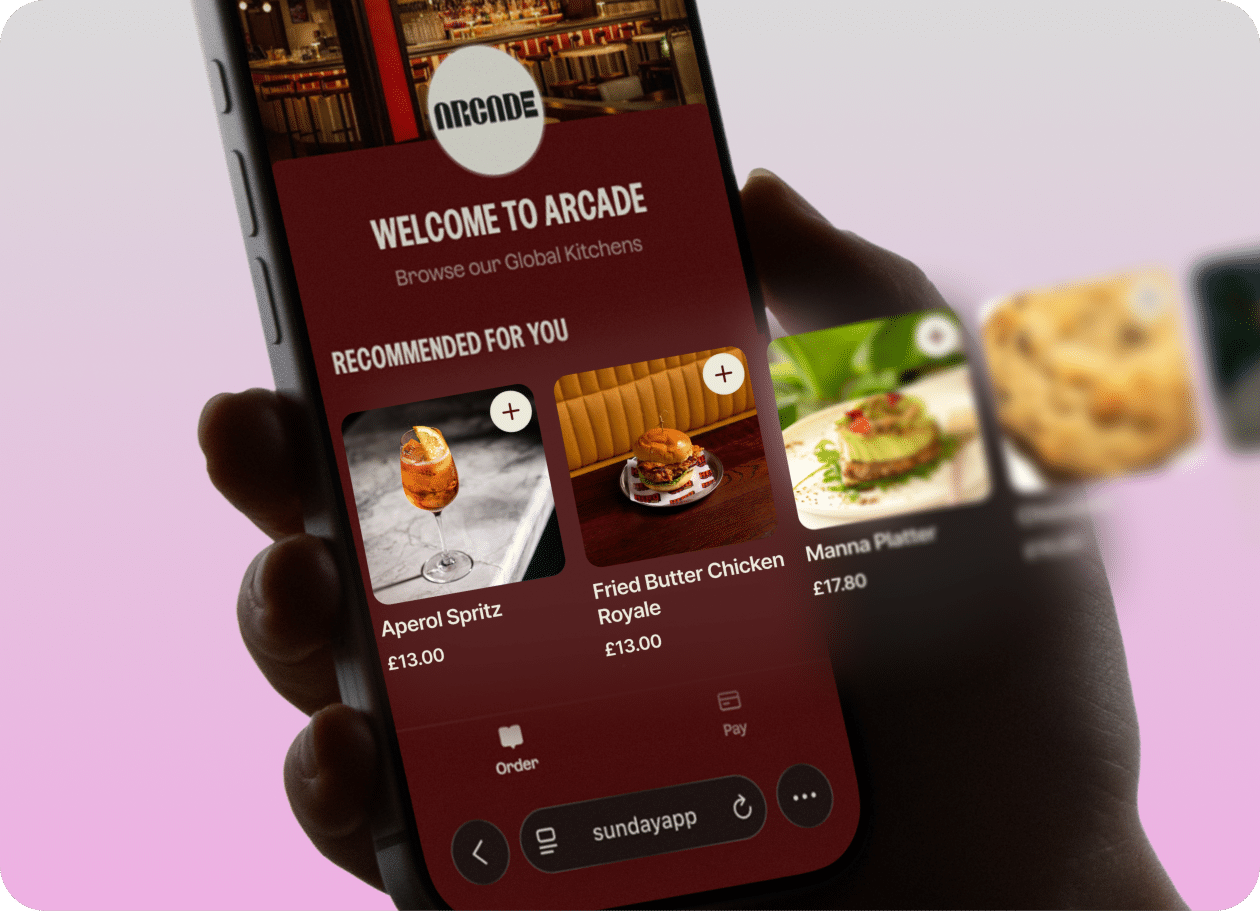
An especially compelling aspect of this trend is how restaurants differentiate themselves by offering convenient ways to pre-order. Many sites and digital tools allow for group orders—streamlining the process, so one person collects everyone’s dish choices, which are then emailed or submitted online to your restaurant.
But a streamlined pre-order system is only one piece of the puzzle. Another is the actual in-restaurant experience. Oddly enough, while many restaurants bow to the power of technology to manage reservations and ordering, some still rely on old-fashioned payment methods, such as slow card transactions or a single staff member running to each table with a bulky payment terminal.
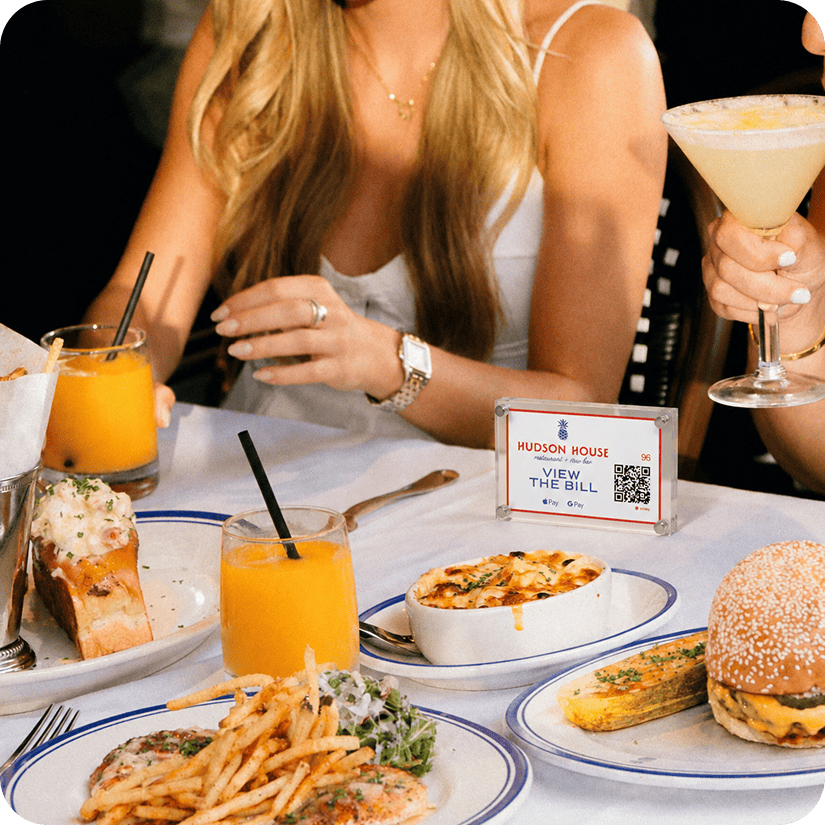
This is where modern solutions like sunday can tie it all together—from the moment a guest scans a QR code to pay, to the tip they leave, and even a prompt to leave a Google review. When you’re hosting a group of 15 office workers on a tight schedule, frictionless payment is essential. Let them split the bill fairly or let one generous boss cover it all. The speed and efficiency become part of the meal’s overall appeal.
During the festive season, staff have to handle multiple groups at once, so eliminating time-consuming tasks—like waiting for the card machine to be free—makes a big difference. Just wave a QR code in front of your customers, mention how fast and easy it is, and watch them settle the bill right from their phones.
4. Planning for a Seasonal Surge
The Christmas season is notorious for stretching kitchens to their limits. For restaurants that focus on lunchtime service for office-goers, the pressure can be significant. When multiple companies plan team lunches, you can end up juggling a bunch of tasks—coordinating seatings, ensuring the more complex orders get prepped first, and dealing with a wave of condensed arrival times.
That’s where pre-orders shine. You can allocate specific time slots for each large group, plan how many turkeys you’ll need, and even adjust the schedule for your chefs so you don’t exhaust everyone before the day is done. You might block out a dedicated portion of the kitchen for these group meals or create a line solely for finishing and plating the pre-ordered dishes.
Consider also adjusting your staff’s shifts to accommodate the higher midday footfall. By studying the pre-order volumes, you can accurately staff your team. For instance, if you see a 30% rise in lunchtime traffic in December compared to November, plan accordingly. Temporary hires or an additional part-time server might ensure that guests never feel neglected.
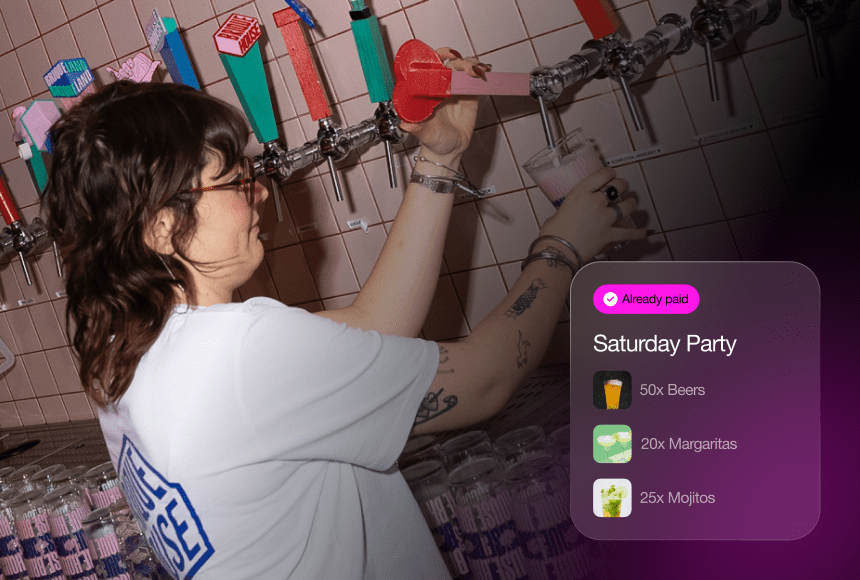
Just as importantly, keep an eye on your ingredient orders. If next Thursday’s bookings show 50 pre-ordered roast dinners, triple-check your stock of turkey, veggies, gravy, and even cranberry sauce. Running out is not an option in the lead-up to Christmas.
5. Delivering a Memorable (and Quick) Festive Experience
Let’s picture the scenario: a team from a local marketing agency enters your restaurant, feeling jovial and ready to have a mini Christmas celebration. They’re not here for a leisurely feast that stretches all day; they only have an hour, maybe an hour and a half. Because they pre-ordered, they expect their meal to be served fast.
Try to exceed these expectations. One way is to greet them like honoured guests. Let them know their table is set, menus detailing exactly what they pre-selected, and water or soft drinks are already available. Lights, décor, and background music can amplify the holiday spirit. People will remember these small touches when they’re telling their friends or colleagues about their experience.
Speed is everything. Make sure your back-of-house team knows the arrival time. Kitchen staff can start prepping each dish for cooking just a little before the group arrives. Aim to serve the first dish within 10 minutes of them sitting down. It might sound ambitious, but with pre-orders, it’s entirely feasible.
Of course, that instant success needs a strong finishing note: the payment. By integrating a contactless or QR-based system, you close the loop seamlessly. The group can pay, tip the staff, and leave in good cheer—boosting their mood and your restaurant’s reputation.
6. The Role of Payment Solutions in Boosting Efficiency
The payment end of a meal can be surprisingly time-consuming and stressful for all parties. Let’s face it, clunky payment terminals often lead to jammed queues at the till and impatient glances at the server rushing back and forth. Throw in the complexities of splitting the bill or partial reimbursements for staff members, and you risk turning a lovely Christmas lunch into a frustrating fiasco.
That’s why a more flexible payment system matters. Tools like sunday enable diners to scan a QR code at the table, split the bill with a few taps, and pay in seconds—no separate app downloads required. Once the group decides to tip (often more likely if the experience was smooth and the server was friendly), they can do so digitally. Everyone has a record of their share, and best of all, the staff is freed up to greet the next table or check in with other diners.
This speed ties impeccably into the pre-order strategy. When the entire service is quick, from the moment the guests arrive to the moment they step out the door, you could potentially handle more lunch bookings in your premises—an attractive proposition during the holiday season.
According to industry reports by UKHospitality, service speed is a major factor in customer satisfaction for lunchtime dining. Ensuring the meal is memorable, from start to finish, encourages word-of-mouth recommendations and even positive online reviews. For restaurant owners, it’s a good time to review your processes and invest in modern payment solutions, especially during festive periods.
7. Marketing Your Pre-Order Options
Now that you’re sold on the pre-order concept, how do you get the word out? Marketing strategies don’t always have to be elaborate—and since you’re targeting local office workers, a bit of direct outreach can go a long way.
- Email campaigns: If you have a mailing list of local businesses or repeat customers, send a friendly festive message about your pre-order lunch offering. Highlight the speed, the special dishes, and the convenience.
- Social media buzz: Post photos of your Christmas lunch menu or share short videos of your kitchen team prepping. If you can, showcase a behind-the-scenes look at how you handle pre-orders. It helps build trust and curiosity.
- Local collaborations: Consider partnering with nearby offices or coworking spaces. Drop off printed menus or quick flyers. Some workplaces welcome local restaurant adverts, especially if it simplifies lunch ordeals for their staff.
- Prominent signage: Place a sign near your entrance that announces “Festive Lunch Pre-Orders: Save Time, Savour More!” so walk-in customers know there’s an option to book in advance.
The aim is to communicate the main advantage: a guaranteed seat, minimal wait, and an opportunity to enjoy the magic of the season without the stress. By making it easy to pre-order through your website or over the phone, you’re already ahead of many competitors who still rely on drop-ins alone.
8. Building Loyalty Through a Personal Touch
One of the joys of running a restaurant is forging connections with your guests. If you’re welcoming the same offices multiple times, consider little gestures that build loyalty:
- Customised menus: Print their company name on the menu or even create a special signature dish referencing the team’s culture.
- A personal note: Slip a thank-you card on the table during the festive period, acknowledging their booking. A short message can leave a lasting impression.
- Complimentary extras: Offer a small amuse-bouche, a festive mocktail, or a mini dessert sample after the main course. These cost-effective gestures can elevate the overall experience.
- Encourage repeat visits: Provide a small incentive, like a discount code for January, to entice them back once the holiday chaos subsides.
Personal touches can be especially impactful during Christmas. People remember warmth and generosity, and they typically reward that with ongoing loyalty.
9. Handling Menu Complexity Without Overcomplicating
One challenge with pre-orders, especially in the holiday season, is that you might feel tempted to offer an incredibly varied menu to wow your customers. But be cautious. A more concise menu often works better during high-traffic periods. Here’s why:
- Efficient supply chain: Fewer menu items mean fewer ingredients to order and store. You reduce the risk of stockouts or hurried last-minute deliveries.
- Streamlined kitchen operations: Cooks can focus on perfecting a handful of dishes, maintaining consistency in taste and presentation.
- Less margin for error: With large office orders, the risk of mixing up items rises. A concise menu minimises confusion.
- Better training: If your servers and staff can memorise the holiday menu quickly, they can answer questions, upsell sides or drinks, and handle special requests smoothly.
Variety is certainly the spice of life, but sometimes, that spice can overshadow operational efficiency. It’s all about striking a balance between offering really appealing festive dishes and ensuring your kitchen doesn’t get bogged down at the worst possible time.
10. How Pre-Orders Benefit Food Waste Reduction
Food waste is costing the hospitality industry millions each year. During the lead-up to Christmas, it can feel like waste is even higher. You’re ordering more ingredients, prepping for bigger crowds, and any miscalculation of demand can lead to excessive leftovers.
Pre-orders help mitigate this problem. When you know exactly how many people have requested a roast turkey or vegetarian Wellington, you can plan your ingredients down to the last carrot or brussels sprout. This level of precision reduces letting food go unused.
By minimising waste, you not only help your bottom line but also practice responsible business—something many modern diners care deeply about. You can even highlight your eco-conscious approach on your social media or in your marketing materials. People increasingly want to support restaurants that respect sustainability.
11. Balancing Festive Charm with Logistics
Owning a restaurant during December can feel like juggling flaming torches—fun, exciting, and a little nerve-racking. With pre-orders, you have a chance to transform chaos into a well-choreographed routine. But it requires a bit of nail-biting attention to detail:
- Create a pre-order cutoff: Decide how many days in advance you need final numbers. Communicate this deadline clearly on your website and to the office coordinator placing the order.
- Organise your records: Save each pre-order in a simple system, either using reservation software or a shared spreadsheet that your front-of-house and back-of-house teams can reference.
- Prepare a staff briefing: Each morning, gather the team. Quickly run through the day’s pre-booked parties, the meal types, and any special requests like gluten-free or dairy-free options.
- Set up quick signposting: Use table numbers or placeholders so colleagues can easily identify where each person sits if they have a specific dish or dietary requirement.
- Keep the ambiance festive: Plan your décor: twinkling lights, maybe a small tree, or even a bit of tinsel around the seating area. Yes, it’s an operationally demanding time, but the magic of Christmas can help keep everyone’s spirits high.
Ultimately, it’s about ensuring everything from the back-of-house to the front-of-house runs like a well-oiled machine, while still conveying that warm, personal feeling that draws people to your restaurant in the first place.
12. Quick Table: Key Benefits of Office Lunch Pre-Orders
| For Restaurants |
For Office Diners |
| Predictable demand |
No waiting for meals |
| Streamlined labour scheduling |
Clear overview of costs |
| Less food waste |
Fast & fuss-free experience |
| Higher potential revenue |
Guaranteed favourite dishes |
| Opportunity to upsell |
Fewer payment hassles |
13. Setting Yourself Apart with Reliability
Because so many venues try to capitalise on the lucrative Christmas period, competition is fierce. A universal complaint among office planners is unpredictability: “Will the restaurant be too busy?”, “Will the food come out in time?” or “Do we have to chase the server for the bill?”.
Offering reliability—through easy pre-orders, well-structured service, and quick but friendly payments—can become your unique selling proposition. Soon enough, word spreads about your efficiency. One HR manager raves about your punctual service in a staff Slack channel, or a CEO brags about the stress-free Christmas lunch in a LinkedIn post.
Beyond direct office promotions, remember that satisfied workplace diners become repeat customers outside of office hours. They might bring their family or friends for a weekend meal, referencing their positive experience during their corporate lunch.
14. The Human Element: Making It Personal
We’re all aware that technology plays a big part in making pre-orders and quick payments possible. But we can’t forget about the human element. Even the most advanced digital tool can’t replicate a warm greeting at the door or a quick check-in once the plates arrive.
Train your staff to invest a moment of honest connection with your guests. During the Christmas rush, people want genuine kindness. A quick “Hope you’re enjoying the holiday build-up!” or “How’s your morning going at the office?” can transform a meal from transactional to memorable.
The best part? Combining that personal, caring approach with a frictionless, tech-enabled process creates a meal that’s both efficient and heartfelt—like a well-wrapped holiday present that’s also exactly what you wanted.
15. Encouraging Word-of-Mouth and Online Reviews
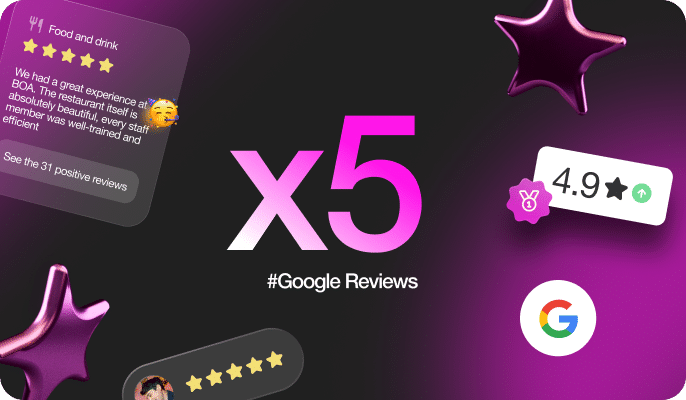
A significant advantage of solutions that embed payment with a review prompt is converting that final sense of satisfaction into online testimonials. Imagine your guests are still feeling the festive spirit and the relief of a swift lunch. They pay with their smartphone via a QR code, get a nudge to leave a quick Google review, and likely tap the five-star button on their way out.
Good reviews posted by local office workers can lead to even more corporate bookings. People trust their peers, so if a project manager at a digital marketing firm vouches for your restaurant’s speed, convenience, and holiday menu, it could spark interest from other offices in the neighbourhood. It’s a cycle of positive reinforcement that starts with a robust, well-thought-out lunch offer.
That’s where a solution like sunday can significantly help: it provides a seamless chain from scanning the QR code to payment and review. A second or two of your customers’ time can help you build an excellent digital reputation.
16. Future Outlook: Beyond Christmas
While Christmas is the initial driver for these office pre-orders, the practice can stick around long after the last mince pie is eaten. Once people realise how convenient pre-orders can be, they might be happy to do it for birthdays, ad-hoc team gatherings, or simply a busy Tuesday.
Your job as a restaurant owner is to ensure that the system remains easy, intuitive, and beneficial for guests. If you build a reputational foundation now—when the stakes are highest—you can carry that forward, turning one-off holiday diners into year-round visitors.
Adopting robust digital payment and pre-order tools is not just about this season; it’s about the shifting face of UK dining. In an era where everything from groceries to gifts is pre-ordered online, restaurants can stand out by embracing this pattern wholeheartedly.
17. Frequently Asked Questions (FAQ)
Do I need sophisticated software to handle lunch pre-orders?
Not necessarily. Some restaurants rely on email or simple online forms, while others invest in advanced reservation systems. What’s important is clear communication and a reliable process so both parties know the details: times, dish choices, dietary notes, and deposit procedures if applicable.
How can I encourage office workers to pre-order?
Make it known! Highlight your pre-order option via your website, social channels, in-restaurant posters, or email campaigns. Emphasise the benefits: time savings, guaranteed availability, and a smooth experience that fits neatly into a busy lunch break.
Is a special menu necessary for office pre-orders?
It can help! A focused holiday lunch menu reduces kitchen complexity and eliminates decision fatigue for diners. Consider offering a few standout dishes—like a classic roast turkey or a hearty vegetarian loaf—alongside popular favourites.
Why focus on fast payment systems when accepting pre-orders?
Pre-ordering speeds up the meal service, but payment can still be a bottleneck. Modern payment solutions—especially those allowing quick QR code scanning—streamline that final step. Your customers leave happy (and on time), and your staff are free to attend to other guests.
Do pre-orders reduce food waste significantly?
Absolutely. Accurate pre-orders give you solid numbers to work with, helping manage stock more precisely. You know how many fillets, roasts, or vegetarian mains are needed each day, so you minimise the risk of over-ordering.


 1min
1min