Supercharging Restaurant Upsells with Digital Menus
Digital menus offer more than mere convenience: they create opportunities to highlight special offers, premium dishes and profitable add-ons. By guiding customers’ choices, interactive menus can boost revenue through strategic upselling. They also allow for real-time updates, personalisation and valuable insights on purchasing patterns. In a friendly, modern environment, digital menus supplement the human element by giving servers the perfect tool to inform guests without adding pressure. Accessible on phones via QR codes, they let restaurant owners stay flexible, maximise margins and track results in a more transparent way.
1. Setting the Table: Why Digital Menus Matter
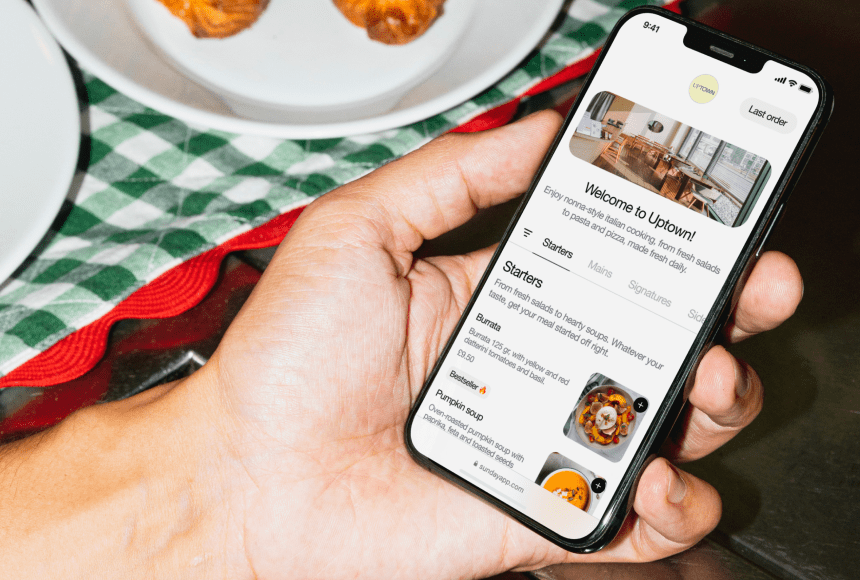
Imagine you’re running a busy bistro in central London, with a constant buzz around lunch breaks and evening dinners. Traditional paper menus are prone to wear and tear, can’t be instantly updated, and don’t always encourage diners to try your more profitable dishes. Meanwhile, digital menus—often accessible via a QR code—are rapidly becoming the new norm in UK restaurants, enabling owners to display images, highlight chef’s specials, and even tailor suggestions based on the time of day.
According to UKHospitality, digital adoption in the restaurant industry is on the rise, propelled by changing diner expectations and the need to streamline operations. Diners enjoy browsing up-to-date options from their own mobile devices, while you gain the flexibility to switch out daily specials, remove items that run out of stock, and present promotions with one swift update.
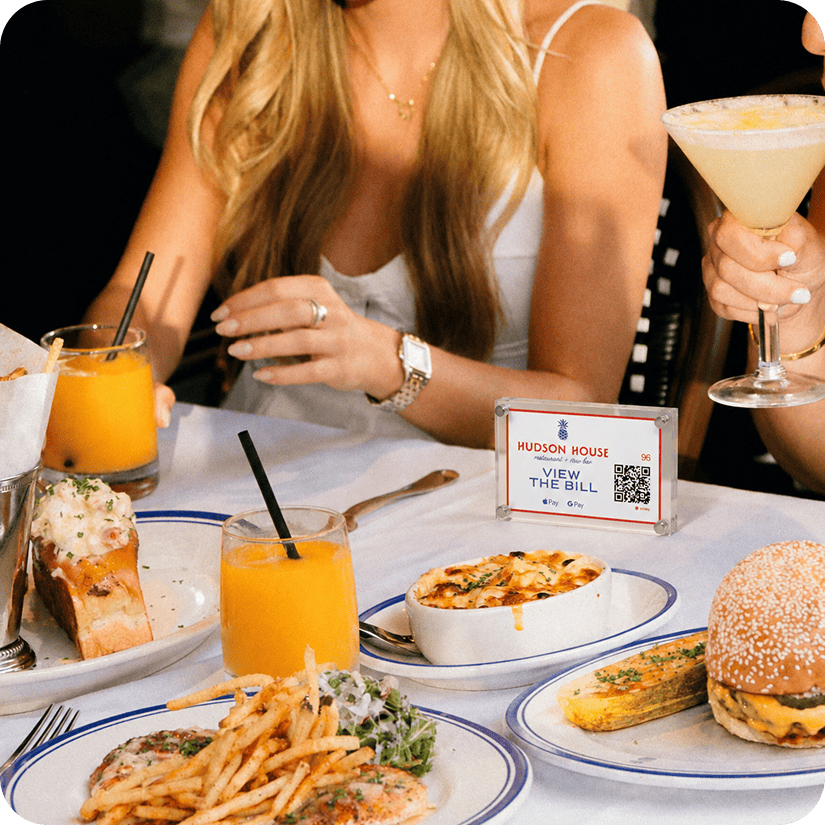
Digital menus also pair perfectly with easy payment solutions. When using a system like sunday, your guests can scan a code to check out the menu, place orders, and settle the bill seamlessly. Beyond improving table turnover, this approach simplifies everything from tipping to leaving reviews—freeing your staff to focus on charm and expert service instead of hauling card terminals and receipt printers around the dining room.
2. Compelling Upsells: Designing Menus That Sell Themselves
Upselling is no dark art; it’s about guiding diners towards the meal or side dish that enhances their experience. Instead of letting them get lost in a long list of items, digital menus let you carefully structure categories and highlight what matters most. By grouping, emphasising, and visually showcasing high-value items, you prime your customers to explore add-ons they might not have considered.
Triple-cooked chips or a dessert-of-the-day? A quick pop-up or a subtle banner can suggest these items when a guest chooses their main course. Let’s say you run a gastropub with a famous Sunday roast. In a digital format, you can automatically recommend a Yorkshire pudding upgrade or a homemade gravy boat that pairs perfectly with their roast beef. Not only does this help customers visualise how delicious these extras can be, it also leads to more revenue in the till.
A well-structured digital menu builds the story of your dishes. Start with a short snippet describing each dish’s unique features—fresh locally sourced vegetables, premium cuts of meat, or an enticing dairy-free spin. Then present your recommended add-ons and upsized combos. Simply put, you gently nudge diners to say “yes” to enhancements rather than a plain version of the item. And you do this subtly enough that they don’t feel any pushy sales vibe.
- Focus on bestsellers: Place your most profitable or popular dishes near the top.
- Add tasteful visuals: Put enticing photos to show off portion sizes or special garnishes.
- Emphasise local or premium ingredients: Explaining the origins can justify a higher price tag.
- Keep it logical: Group sides, sauces, or drinks with relevant dishes in your digital layout.
3. Savoury Insights: Real-Time Menu Updates and Data
One of the biggest wins of digital menus is the ability to track and adapt. If you see that your top-priced steak is not selling well, you could easily adjust its description or presentation to make it more palatable. Maybe a drizzle of peppercorn sauce or a garnish of truffle shavings is all the steak needs to become an instant hit—and you can add this new upsell to the menu within minutes.
Moreover, data becomes your secret ingredient. Digital menus can provide analytics on how many people open your dessert tab, how often they scroll through the drinks section, and which promotions get the most clicks. This constant feedback loop allows you to fine-tune your approach.
For example, if you find that half the guests who view your cocktails section ultimately add a dessert, it might be time to push dessert-pairing suggestions as they choose their drink. Or if your vegan section garners a lot of traffic around lunchtime, you can add a dedicated plant-based starter that leads into a full meal. These immediate changes keep your offering fresh and enticing.
Gathering intelligence in a privacy-minded way (i.e., no intrusive personal data) is invaluable. You’re simply observing aggregated behaviours and adjusting strategies accordingly. Your staff no longer guess at whether a certain lunch combo will sell; you have real figures to back it up. This data-driven approach not only increases efficiency but also fosters happier customers who sense that your menu is aligned with their tastes.
4. Personal Touches in a Digital Space
Diners still love human interaction. After all, a smile from a server or a recommendation from a bartender can be the highlight of someone’s meal. Yet digital menus do not replace this personal element; they expand it. By presenting mouth-watering photos and descriptions, you equip your servers with conversation starters. When a guest has a question about the new dessert, your staff can jump in with details, personal anecdotes, or a quick garnish demonstration.
Take the example of an independent Thai restaurant, “Siam Spice.” By installing a digital menu that clearly details ingredients, spice levels, and suggested pairings like coconut milk or jasmine rice, Siam Spice has freed its staff to develop a more personal rapport with diners. No longer do they have to repeatedly explain each dish’s heat level. Instead, they can share the story behind the sauce, or perhaps mention they got the recipe from their grandmother in Bangkok. This fosters a meaningful connection that goes beyond a sales pitch.
At the same time, advanced digital menus allow for multiple languages—a definite plus in a cosmopolitan city. Visiting tourists can select their preferred language and feel confident about the choices they’re making. This inclusive approach does wonders for your public reputation. People love feeling valued, and an accessible menu is a great start.
5. Encouraging Extra Spend Through Automated Suggestions
Any digital platform worth its salt can offer automated recommendations. Picture a diner browsing your lunch menu who just added a classic cheeseburger to their selection. A well-configured system could gently prompt them: “Fancy upgrading to sweet potato fries for an extra 50p?” Or, “Would you like to add a side of onion rings to round out your meal?” It’s a straightforward nudge that can turn what would have been a £10 order into an £12 or £13 one—multiplied by the number of guests who happily pick that extra dish.
This approach differs from old-fashioned upselling tactics, where a server might seem to constantly push additional items. Instead, the digital menu simply presents an option on-screen, letting the diner make a quick, comfortable decision. Subtlety is key; you don’t want to overwhelm your customers by bombarding them with pop-ups. Instead, a single prompt next to a relevant menu item can be enough to drive consistent upsells across the board.
But how do you decide which suggestions to display? That’s where your own knowledge and data intersect. If you know that your homemade lemonade pairs beautifully with spicy chicken wings, set up a link between those two items. Every time someone adds the wings, the lemonade suggestion pops up. In time, you’ll gather data on how many diners take up these recommended combos, letting you refine your offering further.
6. The Visual Feast: Food Photography and Digital Layout
In the realm of digital menus, visuals are everything. A crisp photo of your creamy carbonara or bright, colourful salad often does more for sales than the most eloquent textual description. Granted, not every restaurant has the budget for professional food photography. But with smartphones boasting great cameras these days, you can still capture appealing shots if you pay attention to lighting and composition. Just make sure to keep everything looking fresh and mouth-watering.
Take an example from a small café called “Bean & Bloom.” They discovered that adding a photo of their cinnamon roll next to the coffee options increased cinnamon roll sales by 40%—just because people suddenly realised the perfect sweet treat was one click away. Real-time data on their digital platform confirmed the dramatic rise in add-on pastry purchases.
Similarly, you can segment your digital menu layout so that it visually resembles a journey. Start with a “Chef’s Recommendations” section, then a “Starters” tab, followed by “Mains,” “Sides,” and “Desserts & Desserts Pairings.” Using icons or small thumbnail pictures, you let diners scan quickly but glean enough information to be tempted. Always ensure the design is user-friendly, with no confusing navigation. Think of it as a small narrative that guides diners to discover your best offerings.
7. Securing That Sweet Bottom Line: Increasing Table Turnover and Tips
Time is precious in the restaurant industry, especially during peak hours. Digital menus paired with a QR code payment solution help you reduce friction at every stage. Diners scan, browse, order, eat, pay, and go—without that awkward waiting period for the bill, or hunting for a server with a card terminal in tow.
Shortening the transaction period often results in higher table turnover. If you can seat more diners in the same timeframe, your opportunity for greater revenue grows. Moreover, some systems, such as sunday, prompt the customer to consider leaving a tip right after payment. By making tipping simpler, digital menus often lead to higher tip percentages, giving your staff a morale boost while ensuring your establishment remains service-driven.
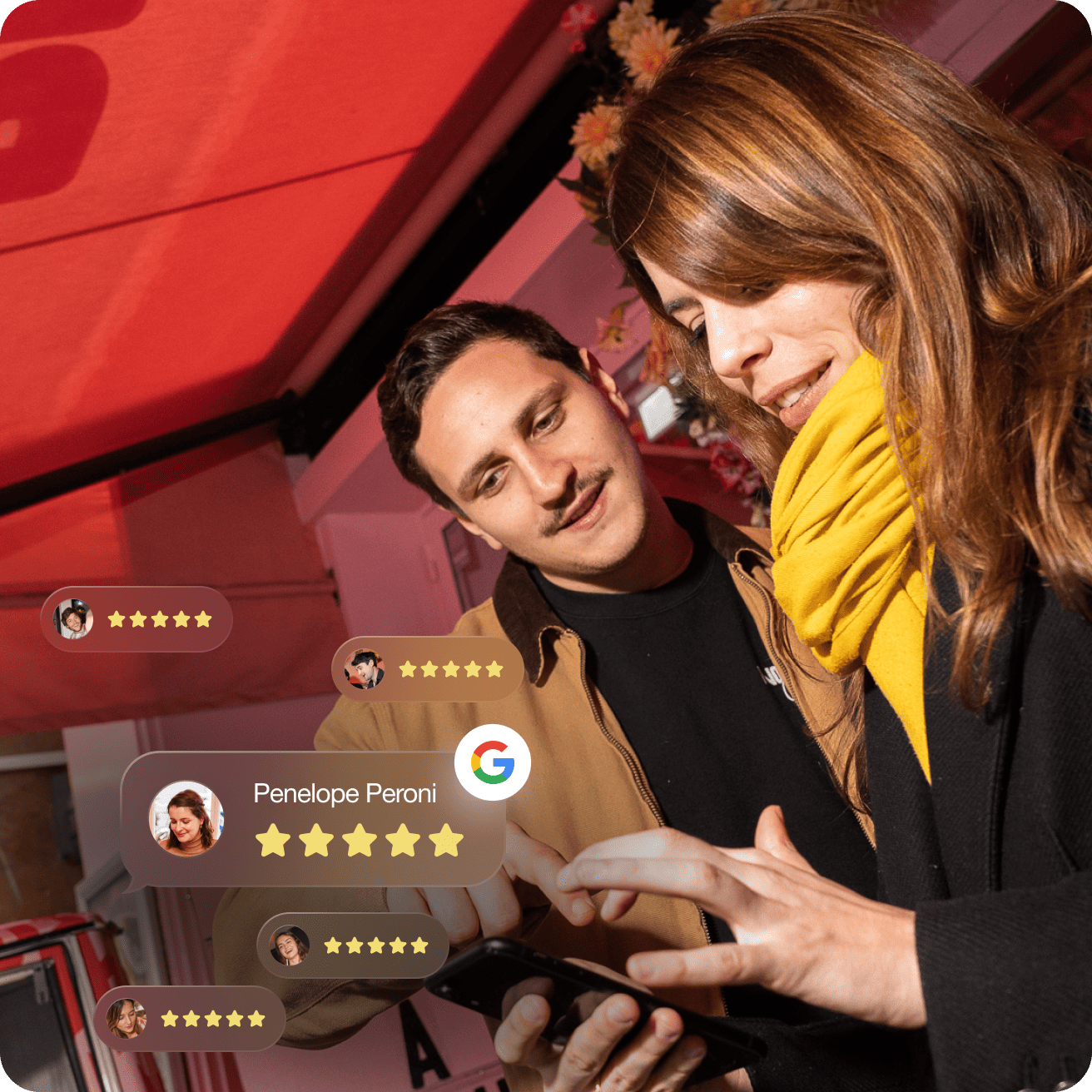
But it’s not just about speed. It’s about convenience and satisfaction. When guests feel that paying is easy and transparent, they’re more likely to leave a positive review. And here is where you can integrate automated requests for Google reviews immediately after the checkout process. Delighted customers may happily share their experience, helping your business build a stronger online reputation.
8. The Kitchen’s Best Friend: Less Waste, Greater Efficiency
Upselling doesn’t always revolve around extra costs for the diner—it can also encompass steering them towards something you’ve prepped in large quantity or that needs to be sold quickly. Did your fish supplier provide you with a bumper catch of sea bass this morning? Flag it as a “Limited Edition” item on your digital menu, set a special price, and watch the orders roll in before you risk spoilage.
This flexible system helps you minimise waste by aligning the flow of orders with what’s in stock. A quick real-time update can temporarily remove an item that’s run out. That means no more crossing things out on paper menus or disappointing diners after they’ve set their heart on a certain dish. With better control comes better margins.
Additionally, the efficiency extends to staff scheduling. When your digital menu is connected to your kitchen management system, you can anticipate busy days based on historical data. This allows you to staff your restaurant appropriately—no more frantic calls to part-time workers at the last minute. You’ll be better equipped to forecast needs, tackle busier periods, and keep your kitchen humming smoothly.
9. Tying It All Together: Linking Ordering, Payment, and Reviews
We’ve talked about the potency of digital menus for pushing add-ons and upsells, but the real power emerges when all stages of the dining experience are integrated. In a 21st-century restaurant, the journey should flow: from scanning a QR code to ordering, from verifying the order’s status to paying—maybe even leaving a review or adding a tip. When each function is separate, friction can occur at each step, interrupting the natural rhythm of the meal.
Solutions like sunday exemplify this integrated approach. Payment is frictionless and can trigger an immediate user prompt to rate their experience on Google. During the same process, your digital menu could recommend a branded dessert or a final round of drinks. It’s all about weaving upsells into the fabric of the entire dining experience, not dumping them at the end. Regular print menus just can’t match that level of adaptability.
Moreover, a central system that collects payment data, order frequency, and user feedback is a treasure trove of insights. Are your diners skipping starters but spending more on dessert? Are families more likely to purchase that extra bottle of sparkling water? By reviewing such data, you refine strategies for upselling and graceful add-ons that resonate with the real habits of your clientele.
10. Building Loyalty Through Memorable Experiences
Pushy sales pitches might earn a few extra quid in the short term, but genuine hospitality fosters loyal customers who return again and again. Digital menus help achieve that balance by allowing you to offer relevant extras without seeming intrusive. You highlight your restaurant’s personality, share stories behind special dishes, and enable guests to enjoy full control over their orders and payments.
Consider offering exclusive deals to returning customers. Many digital systems let you create a unique code or link that invites a second visit. Perhaps you offer a free side or discounted dessert on a customer’s next visit—redeemable directly through the digital menu. Instead of old-school printed loyalty cards that get lost or forgotten, you go digital and track everything seamlessly. That continuity cements a positive bond with the diner, who appreciates the personal touch and convenience in equal measure.
People love discovering hidden gems—especially in a big city like London. If you consistently deliver on quality food, slick service, and a fun ordering process, your diners will spread the word. In the end, advanced technology is just a conduit to better relationships and a more robust bottom line.
11. A Tasty Example: “Casa di Basil” Upselling Success
Let’s land this on a real-world example. Picture “Casa di Basil,” a cosy Italian restaurant in Manchester. They introduced a digital menu that not only showcases their homemade pasta but prompts diners with well-crafted upsells. Whenever someone chooses the “Tagliatelle al Ragù,” the menu suggests adding a side of fresh focaccia for £3. Additionally, after the main is selected, a small banner invites guests to taste Casa di Basil’s signature tiramisu for a discounted price when paired with a cappuccino.
The result? Dessert sales increased by 35% within a month, and the added side dish had a 20% acceptance rate. Data revealed that customers responded particularly well to combos with coffee, so Casa di Basil refined their approach, creating new meal deals that revolve around coffee pairings. They also timed certain promotions: for example, if a diner is browsing the menu after 8 p.m., they’ll see an offer for a mellow dessert wine pairing. In short, the restaurant leveraged digital menus to tell a story around its dishes—and diners happily followed along.
12. Steering Clear of Digital Overload
While digital solutions are brimming with benefits, it’s important not to bombard your customers with too many flashy pop-ups, visuals, or promotional offers. Strike a balance. Provide enough detail that diners feel confident in their choices, but keep the interface clean and inviting. If a digital menu is crammed with never-ending prompts, people might get frustrated and bounce back to old-school habits—or, worse, choose a different restaurant altogether.
Much like you might limit seasoning when preparing a delicate fillet of fish, be restrained with your digital flamboyance. Let the core benefits—accuracy, accessibility, quick updates, and gentle upsells—speak for themselves. If you find you’re receiving more negative feedback than positive, re-evaluate which prompts or features you can streamline for a smoother user experience.
13. Managing the Human Element in the Digital Age
Digital menus should complement, not replace, your staff’s role in the dining experience. Even the best interactive design can’t replicate the warmth of a human smile or the sparkle in a server’s eyes when describing the day’s special. On the contrary, by removing tedious tasks—like repeatedly describing a dish or fumbling with bulky payment devices—you free staff to engage on a more personal level.
Enable your team to step in with genuine enthusiasm. Let them emphasise a dish’s story or originate a spontaneous table-side flourish. Perhaps the chef brings out a newly created appetiser just for feedback. This blend of digital convenience and human character is a winning combination.
Importantly, digital menus also support staff to deliver a consistent message. If your chef changes a recipe or the beverage manager updates the wine list, the digital menu can reflect those changes in real time. No more staff confusion about whether a certain wine is available or if an ingredient has been swapped out. Everyone is on the same page, because the menu is always current.
14. Going Forward with Confidence
If you’re still relying solely on laminated menus and staff upselling scripts, it might be time to modernise your approach. In a climate where diners increasingly use their smartphones for everything—from mail to ticketing to shopping—accessing your menu via QR code feels natural. In fact, it demonstrates your commitment to convenience and innovation.
Embracing such technology also positions your restaurant to weather future changes. From supply chain disruptions to shifting consumer habits, a flexible, data-driven menu helps you adapt at a moment’s notice. You keep your offering fresh, costs under control, and customers coming back for more.
Ultimately, implementing digital menus is less about replacing the personal touch and more about enhancing it. You streamline the ordering journey, showcase your culinary highlights, and open new avenues for subtle, profitable upsells—all while ensuring your staff remain free to do what they do best: provide exceptional hospitality.
FAQ
How much does it cost to implement digital menus?Costs vary depending on the platform and hardware (e.g., if you provide tablets or rely on guests’ phones). Many solutions charge a monthly subscription fee or one-time setup cost. Research providers to find a package that fits your budget and feature needs.
Do digital menus alienate older or less tech-savvy customers?Not necessarily. Ensuring an easy-to-use interface and offering servers’ assistance bridges the gap. You can still provide a simple printed menu if you notice certain patrons are more comfortable in that format.
Is it complicated to update digital menus?Most platforms include a straightforward dashboard. If you can run a social media page, you can handle a modern digital menu update. A few clicks let you add, remove, or modify items anytime. If you’re working with an integrated solution like sunday, the updates sync across ordering and payment platforms automatically.
Can digital menus really increase upsells?Yes, by displaying strategic recommendations, you can gently encourage diners to add extras and premium dishes. Real-world examples consistently show a rise in average ticket size when digital menus are used effectively.
Will digital menus replace my staff?Definitely not. Digital menus should complement your staff, not replace them. The technology reduces basic transactional tasks, so your team can focus on personal interactions, storytelling, and genuine hospitality.


 1min
1min