A New Way to Accommodate Big Tables: QR Ordering for UK Restaurants
Handling large parties can be challenging for restaurants, with complex orders, crowded tables, and higher expectations to manage. QR ordering brings a fresh solution, giving guests direct control and servers more time for personal interaction. By minimising order errors, accelerating table turnover, and simplifying split bills, QR ordering can please both your team and your customers. Streamlined workflows reduce staff stress and open up opportunities for more engaging service, leading to higher satisfaction. If you’re looking to enhance your guest experience, keep pace with evolving diner expectations, and boost sales, QR ordering might be the perfect addition to your toolkit.
1. Why Large Groups Are an Opportunity Worth Seizing
Picture this scenario: a local sports team celebrates a big win, and they decide to book your restaurant for a post-match meal. They bring friends, family, and a thirst for something more exciting than their usual takeaway. Serving them efficiently doesn’t just lead to a satisfied group—it can create an army of loyal fans who’ll sing your establishment’s praises. Large groups are high-value opportunities. They tend to produce higher per-table spends, not only through additional dishes but also through celebratory drinks, desserts, and yes—those all-important appetisers.
But let’s be honest: large groups can also bring logistical headaches. When 20 people all arrive at once, the volume of orders can overwhelm even the most seasoned staff. Coordinating those orders, ensuring everyone is heard, and delivering them promptly can be a tightrope walk. Too often, you might see confusion over split bills or the dreaded moment when servers are juggling multiple notepads, drinks, and back-and-forth trips between the table and the kitchen.
Enter QR ordering. By providing a scannable code on each table, you give your guests a direct line to the kitchen. They order from their smartphones—a process that not only minimises errors but also frees up your team to focus on real hospitality. The result? More personal touches, fewer miscommunications, and a calmer, more controlled atmosphere.
2. The Traditional Challenges of Large-Group Service
Before we explore the power of QR ordering, let’s take a moment to recognise why large groups can be so daunting. You might be thinking: “I already know—it’s chaotic!” But pinpointing the specific pressure points helps us appreciate how technology can cleverly solve these issues. Here are the usual suspects that make large-group service a nail-biter for many restaurant owners:
- Order complexity: With multiple appetisers, mains, and side dishes, it can be tough to keep accurate track of who wants the Caesar salad and who’s getting the veggie burger.
- Limited staff capacity: Even the best servers can only handle so many requests at once. Large parties often stretch your team to its limits.
- Timing snags: Coordinating dishes so everyone’s meal arrives together is an art form. Delays can cause cold mains or equally frustrating experiences for the guests still waiting.
- Payment drama: Splitting the bill among 10, 15, or even 20 diners can lead to calculators being pulled out, confusion, and an administrative headache at the till.
Addressing these points directly can transform a chaotic service into a smooth one. QR ordering, especially in a British dining context where contactless and convenient solutions are rapidly becoming the norm, can be your secret weapon. According to the National Restaurant Association (Technology and Trends in Hospitality), more restaurants worldwide are embracing mobile order-and-pay systems to handle volume during busy periods.
3. QR Ordering 101: How It Works for Large Groups
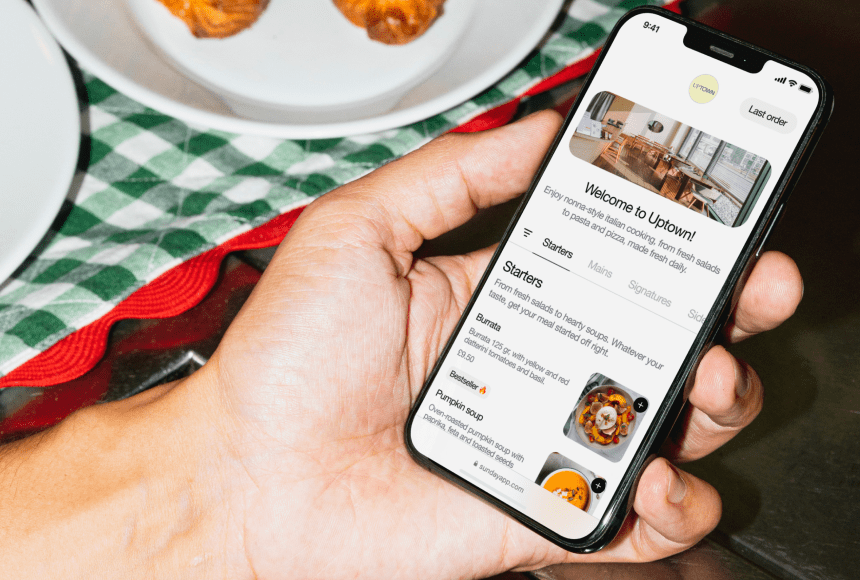
When a table of 15 people receives one paper menu (or even a few copies), conversation quickly interrupts the reading flow. The group starts asking servers for recommendations or clarifications, and the ordering can drag on. Or, a single server tries to take everyone’s order, inevitably missing a detail. Compare that to tapping your smartphone, scanning a QR code on the table, and effortlessly navigating through the digital menu—seeing images, checking descriptions, or noting dietary filters. What’s more, each guest can place their order at their own pace, without having to wait for a server’s attention.
Here’s a simplified breakdown of the QR ordering workflow:
- Scan and explore: Each diner or sub-group scans the code with their smartphone. The entire menu opens up on their screen.
- Customisation made easy: They can choose their dishes, add special requests (e.g., “no onions,” or “extra cheese”), and confirm their orders individually or as a group.
- No waiting for the bill: When the meal is over, they can settle their portion directly through their phone or notify the server that they’d like to pay at the table by card machine.
- Minimal confusion: Because the system tracks each order, you’ll know exactly who wants what, when, and how they paid. This can drastically reduce human error—even if half the table changes their mind mid-meal.
That final step—payment—can even factor in gratuities. For instance, some QR ordering systems allow guests to add tips of their choice, which can subtly increase tip amounts if the customer experience has been impressive.
4. A Day in the Life of a Server with QR Ordering
Consider Jade, a veteran server. On a normal day, Jade might be zipping between tables, scribbling orders, making sure the drinks station is stocked, and dealing with card payments at the terminal. But on a night where a boisterous hen party of 12 decides to drop by, Jade’s tasks triple. Now, she’s not just taking one order sheet—she’s balancing requests on multiple sheets: guests who arrived earlier, others who wandered in late, those who can’t decide if they want the vegetarian special or the steak.
With a QR ordering system, Jade’s job changes in a tangible way. Instead of bouncing back and forth for every new drink order, Jade can focus on:
- Ensuring dishes come out in sync.
- Advising on recommended wine pairings, because she now has more time for thoughtful suggestions.
- Greeting new arrivals warmly and promptly.
- Double-checking table conditions, such as refilling water or clearing plates swiftly.
The emotional difference is enormous too. Guests see Jade as more than a note-taker; they see her as an attentive, knowledgeable host. Meanwhile, Jade feels less stressed because a chunk of the ordering process moves digitally. Payment friction also eases. Instead of watching 12 credit cards come out at once, Jade can rely on the integrated system to handle separate tabs seamlessly. The result is a more efficient workflow and happier staff—a consummate win-win scenario.
5. Key Benefits of QR Ordering for Large Groups
Let’s pull back the curtain even more on the ways QR ordering helps you master the art of hosting big groups. Consider these major perks:
- Speed of Service
With large groups, waiting around for servers to take orders and process bills can significantly slow things down. Letting guests order as soon as they’re ready lights up your operation, ensuring you can turn tables faster during peak periods.
- Reduced Order Mistakes
Handwritten notes are prone to errors. Reciting orders verbally can lead to misunderstandings over bustling background noise. A digital system captures order details precisely, so no one ends up with the wrong dish.
- Enhanced Staff Productivity
Servers can devote more attention to upselling or simply providing a friendlier, more personalised service. As the technology takes away some routine tasks, your staff can focus on relationship-building with patrons.
- Flexible Payments
Large parties often split bills in multiple ways. QR ordering systems integrate payment options that let guests pay for exactly what they ordered, or combine orders seamlessly. No sweaty confusion at the card terminal—just quick, painless transactions.
- Built-in Upselling Tools
Digital menus can highlight popular dishes, daily specials, and tempting add-ons visually. This can prompt diners to explore offerings they might otherwise miss on a paper menu. For big groups with varied tastes, that can lead to bigger average tickets.
- Encouraging Reviews
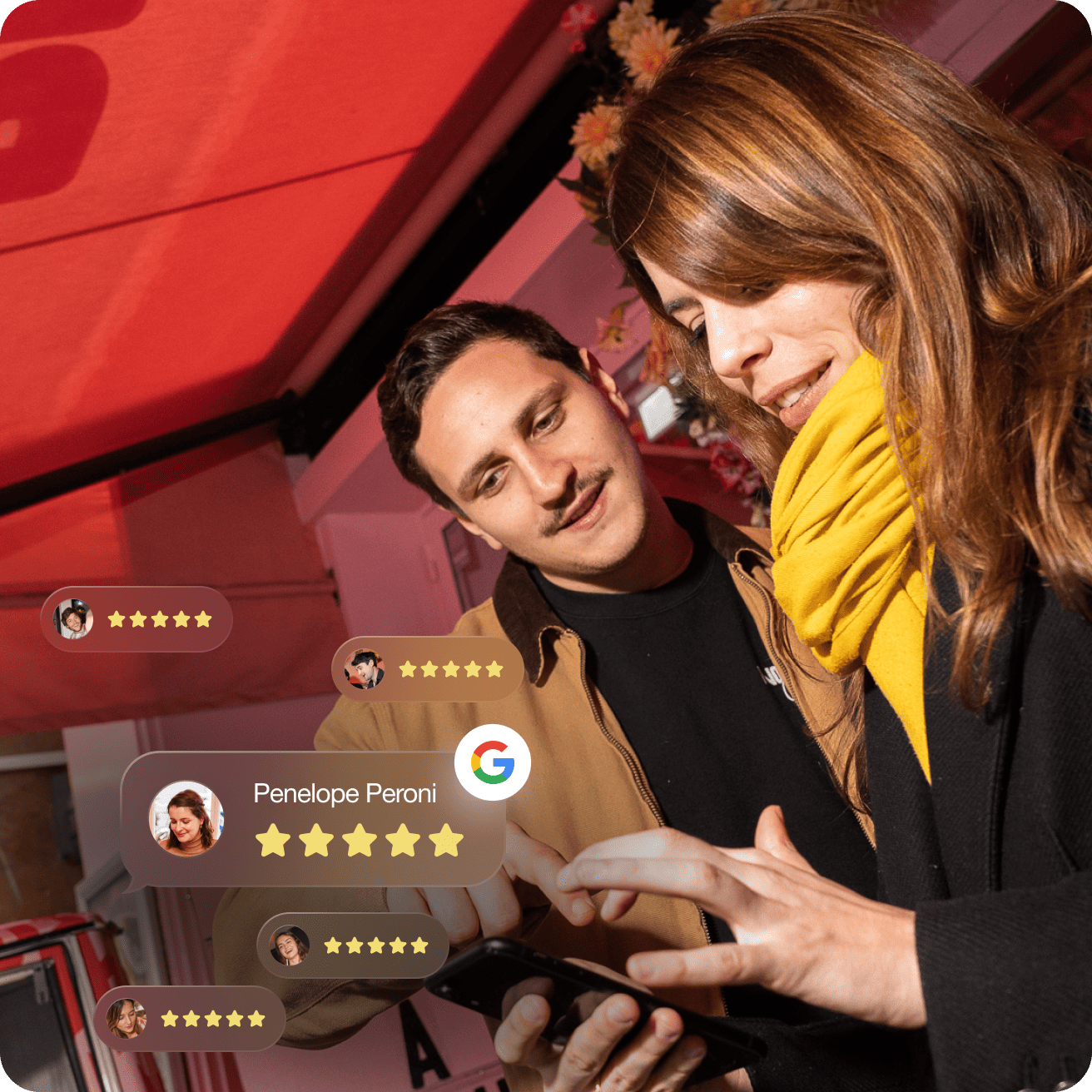
Some QR systems (such as sunday) enable you to gently prompt customers to leave a review on Google. When a large group has a positive, tech-driven experience, they’re more likely to share that experience publicly.
These benefits aren’t pie in the sky: they address real, everyday challenges. By offering a self-explanatory ordering process, you boost overall efficiency, keep your customers happy, and give your team the breathing space they truly deserve.
6. Overcoming Staff Resistance and Encouraging Collaboration
Any time you introduce new technology, you may face internal roadblocks. It’s not uncommon for servers or managers to worry: “Will this tech replace me?” or “Isn’t it too complicated for our regulars?” The key to a smooth transition is collaboration. Involve your team early in the discussion, gather feedback, and make their experiences central to the rollout.
Here’s a simple action plan:
- Demonstrate the benefits: Highlight that QR ordering removes repetitive tasks, allowing staff to dedicate more time to personal touches that increase tips and job satisfaction.
- Offer thorough training: Walk your team through the system. Let them place dummy orders, explore how to add modifications, and how to troubleshoot if a guest’s phone can’t scan the QR code.
- Reward adoption: Encourage your staff to embrace new processes by showing how it can improve their daily workload in practical ways—like fewer disputes over misheard orders or less time spent mentally dividing bills.
When staff see technology as an ally rather than a threat, they become ambassadors for the change. This positivity rubs off on customers. After all, it’s far more comforting to be guided through a new ordering process by a confident, enthusiastic team member than by someone who seems reluctant or unsure.
7. Offering a Personal Touch with Technology
Some restaurateurs worry that adding digital ordering might dilute the personal spark that makes dining out special. But technology, when thoughtfully implemented, can actually make the experience friendlier. By giving diners autonomy over their orders, you’re helping them sidestep the common irritations of dining in large groups, like trying to attract a busy server’s attention or feeling rushed to choose a dish.
Meanwhile, conversations with the server can shift from “I’d like a chicken burger with no lettuce, extra sauce, and oh, can you put the onions on the side?” to “Which of your craft beers pairs best with a chicken burger?” or “Which dessert is your favourite today?” That’s the real magic: letting servers share their knowledge and passion for food rather than merely transcribing orders.
8. The Impact on Table Turnover and Revenue
In restaurant operations, table turnover is one of the most important metrics you track. The quicker your tables free up (without rushing guests, of course), the more customers you can serve, and the more revenue you generate. QR ordering naturally speeds up the ordering and billing phases, two major pinch points that often create bottlenecks.
By reducing waiting times for each step, your guests can wrap up their dining experience whenever they’re ready. There’s no awkward wave across the room, no “excuse me” to catch the server’s eye. As a result, table turnover improves—especially useful during peak days like Saturday evenings or Sunday lunches. And because large groups usually take up multiple tables or a big chunk of your dining room, shaving minutes off each step can make a huge difference in your nightly revenue.
Additionally, British diners are increasingly used to quick and convenient service in other parts of their lives—think contactless payments on public transport or mobile supermarket checkouts. Offering that same convenience in your restaurant can foster repeat business. As a bonus, you might see an uptick in average order value simply because customers find it easier and more intuitive to add extra items.
9. Showcasing Your Menu and Specials Online
QR ordering isn’t restricted to simply listing your regular dishes. You can turn your digital menu into a flexible marketing tool that highlights daily specials, seasonal promotions, or locally sourced ingredients. Imagery is key—a mouth-watering photo of a new dessert special will do wonders in catching attention, just like that easy highlight of your best craft local ales.
Make sure your digital menu replicates the warmth and charm of your physical setting. If you’re a cosy British gastropub, keep the tone friendly and indulgent, with quick blurbs that read like a local chef’s personal notes. If you’re an upscale eatery, emphasise the curated nature of your dishes, but keep everything easy to read. This consistent brand experience helps your large-group diners feel like they know you from the moment they scan the QR code.
10. Leveraging QR Ordering to Encourage Positive Reviews
For large groups, it’s not unusual for diners to scatter away without a formal goodbye at the end. Some may step out to smoke, others rush off for the train, and a few might linger for dessert. When the final reckoning arrives, your chance to ask for feedback can slip away in the chaos. QR ordering platforms that incorporate a simple “Rate your meal” or “Leave a review” prompt can capture that valuable feedback in real time.
Imagine you’ve just finished a boisterous group dinner. Everyone’s had a laugh, they’ve tried new dishes, and the last thing they do before leaving is scan or tap to pay. Right then, a polite on-screen nudge: “Enjoy your visit? Share your experience on Google.” That subtle call-to-action can significantly boost your online review count. And, because no one’s rushed, the feedback potential is higher.
Reviews play a huge role in attracting new customers—especially for restaurants that love welcoming big gatherings like office parties or social clubs. Word of mouth still counts, but in the digital age, a big chunk of it happens through Google and social media. More positive reviews equal greater credibility. And each 4- or 5-star rating could draw in another group that might just fill your tables on a quiet weekday night.
11. A Quick Glance at sunday
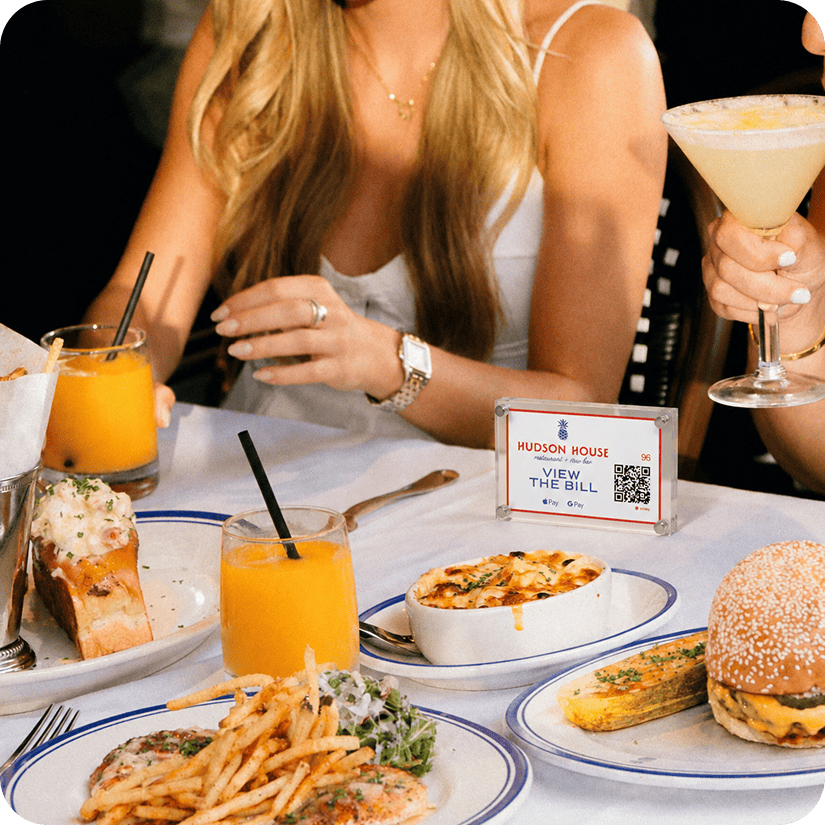
When it comes to real-world examples, sunday offers a QR-based payment solution that’s particularly intuitive. Guests can scan a QR code, view the digital menu, easily customise their orders, call a server if needed, and pay directly. Tipping, feedback prompts, and integrated loyalty perks can all be folded in seamlessly. This ties in nicely with how modern British diners expect their restaurant experience to be: efficient, polite, customisable, and—above all—hospitable.
Of course, the ultimate goal is to integrate technology and human service. The personal element never disappears; it’s just enhanced. The server is still there to guide, advise, and provide that warm welcome. The difference is that now they have fewer admin chores holding them back from being that friendly, knowledgeable presence that elevates your restaurant’s reputation.
12. Practical Tips to Roll Out QR Ordering in Your Restaurant
Implementing a new system doesn’t have to be complicated or risky. Take it one step at a time. Here’s how you could do it:
- Start with a pilot: Test QR ordering on a few tables or only during specific hours. Monitor feedback from both guests and staff. Adjust your digital menu or staff workflow as needed.
- Simplify the scanning step: Post clear instructions on the table, perhaps with a small friendly note: “Scan here to order. No app download needed!” Minimising friction encourages usage.
- Train staff thoroughly: Ensure they can confidently assist newcomers. A well-prepared team is more likely to embrace the system and promote it in a positive light.
- Promote the new method: Let guests know that they can avoid queueing at the bar or waiting for a server just to order a refill. Make sure they understand the benefits of reference images, item descriptions, and easy payment options.
- Plan for any hiccups: Have a fallback. Some diners might prefer to order the traditional way, or might not have a smartphone on hand. Keep a small set of physical menus and ensure your staff remain flexible and helpful.
These simple yet strategic steps can help your large-table diners settle in and explore modern ordering methods without feeling pressured. Over time, a well-executed QR system can become one of your biggest draws for groups that want an efficient, fuss-free experience.
13. Looking Ahead: Embracing the Future of Dining
As technology continues to weave itself into every aspect of our lives, the restaurant world is no exception. QR menus weren’t widely used in the UK hospitality sector a decade ago. Now, they are becoming an industry norm. Diners appreciate the control and clarity it offers. Younger generations in particular expect to be able to handle tasks like ordering and paying without fuss. And large groups—who already face countless logistical hurdles—tend to see digital solutions as simpler and more convenient.
By adopting QR ordering, you keep your establishment at the forefront of these changes. You show that you’re listening to the market, responding creatively to customer needs, and investing in your staff’s wellbeing. Instead of seeing technology as a cold, impersonal addition, treat it as the ingredient that spices up your service, making it sharper and more flavourful. A warm smile combined with a quick, digitally streamlined workflow is the recipe for delighting every group that walks through your door.
FAQ
Do I need advanced tech skills to set up QR ordering?
Not at all. Most QR ordering providers supply straightforward instructions. Even if you’re not a tech expert, you can work alongside the support team to get everything up and running. A short training session for staff usually covers most of what you’ll need.
Is QR ordering suitable for smaller establishments?
Absolutely. Even if you’re a cosy bistro with just a handful of tables, the flexibility and efficiency of digital ordering can streamline your operations. Smaller teams benefit from fewer tasks and can offer more personalised attention.
Will this technology alienate less tech-savvy customers?
If done with a helpful tone and clear instructions, it shouldn’t alienate anyone. Provide an alternative ordering route (like a handwritten or printed menu) for customers who aren’t comfortable with smartphones. Your staff’s willingness to guide them is key.
How do I handle refunds or item substitutions with QR orders?
The process is broadly similar to traditional methods. Most systems let you make modifications or issue refunds through the manager or admin panel. If a dish is out of stock, you can mark it so it won’t appear as available, or display a suggested alternative instantly.
Does QR ordering encourage higher spending?
In many cases, yes. Studies and anecdotal evidence from various restaurant owners suggest that diners using digital menus often discover extras they might have overlooked. The result is a potential increase in average ticket size, which can easily offset the initial tech costs.


 1min
1min
 1min
1min