Practical Ideas to Thank Your Restaurant Staff Once the Holiday Madness Ends
The post-festive period is a golden opportunity to show genuine gratitude to your restaurant team after their hard work. Rewarding staff effectively can boost morale, reduce turnover, and encourage stronger teamwork. Consider gestures that range from personalised gifts and flexible schedules to learning opportunities and recognition in front of peers. Offering small perks like enhanced breaks or celebrating minor victories can maintain high spirits in the long run. Make sure team members know they’re valued, and you’ll see productivity flourish even after holiday chaos has passed.
1. Understanding the Value of Post-Festive Acknowledgements
Once the last festive table is cleared, and the dust settles from the holiday rush, it’s time to reflect on your team’s extraordinary efforts. For weeks—if not months—your chefs, servers, hosts, and behind-the-scenes staff poured their energy into making guests feel special during the busiest season. According to the Chartered Institute of Personnel and Development, a well-planned recognition scheme can significantly increase employee engagement, especially after intense seasonal periods.
This is not about extravagance or grand gestures alone. It’s about genuinely expressing appreciation for every late-night shift, last-minute booking, and countless plates carefully prepared under pressure. A heartfelt staff recognition plan can foster loyalty, reduce staff turnover, and bolster your local reputation as a caring employer.
2. Reflecting on Everyone’s Hard Work
When the kitchen’s constant buzz finally quiets, it’s worth taking a moment to sit down and acknowledge your team’s marathon efforts. How many hours did they put in? How many special requests did they gracefully handle? By quantifying these achievements, you can bring meaning to the word “thank you.” If your restaurant received positive reviews or higher-than-usual tips during the festive period, it’s a sure sign that guests appreciated your team’s dedication.
And while balancing finances is crucial, your most precious resource is the energy and creativity your staff invests every day. Staff members often give up personal commitments and family time to be present during the busiest season. Honour their sacrifice by showing that each contribution mattered.
3. Offering Tailored Rewards
Rewards aren’t one-size-fits-all. Different team members have different motivations and interests. Some might value practical training or learning more about wine pairings. Others might be longing for extra paid time off or scheduling flexibility. Providing a range of rewards shows your staff you see them as individuals.
3.1 Personalised Gifts
If you have baristas who consistently go the extra mile, consider a gift that resonates with their passion, like a special brewing kit. For the sous-chef who painstakingly preps thousands of canapés, maybe a voucher for high-quality knives or a cookbook from a chef they admire goes a long way. When these gifts are thoughtful, they carry more emotional weight and show genuine understanding of each person’s role.
- Example: A chef’s recommended reading list, wrapped nicely with a handwritten note of thanks.
- Example: A local produce hamper for the server who always suggests food-and-drink pairings with flair.
3.2 Culinary Adventures
In the heart of the culinary world, experiences can often be more memorable than any object. Treat your team to experiences that nourish their passion for food and drinks, while also rejuvenating their spirits. A trip to a regional food festival, a casual but educational wine-tasting class, or a visit to another independent restaurant known for its innovative cuisine can expand horizons and keep creative juices flowing.
Cooking workshops, beverage masterclasses, or cheese-and-charcuterie tastings open up new perspectives. By investing in such opportunities, you’re not only gifting your team a well-earned break but also strengthening their skill set and inspiring them to bring new ideas back to your establishment.
4. Creating Genuine Opportunities for Rest
After a season of near-constant service, one precious commodity stands out: time off. Ensuring staff have a proper break after the festive rush is fundamental. Consider awarding extra leave days, or splitting rosters in a more relaxed schedule. Observing your employees’ well-being means you’re ensuring your restaurant’s long-term success.
4.1 Flexible Scheduling
The holiday period often means long, back-to-back shifts. Once the wave recedes, it helps to offer more adaptability. Does your server have children at home who need a break as well? Or a chef who needs mornings off to help older relatives? A flexible rota for a couple of weeks can go a long way in demonstrating that their well-being matters beyond the restaurant walls.
When staff feel their work-life balance is respected, they’re more likely to remain loyal. A happy team that’s not constantly running on empty can bring fresh energy and creativity when the next busy period arrives.
5. Celebrating Success as a Team
Few things foster unity like celebrating successes together. Whether it was achieving record holiday revenue, hitting a local best-restaurant list, or simply keeping up strong TripAdvisor or Google reviews under pressure, these wins belong to everyone. By voicing this publicly in a team-wide meeting—or even an informal get-together—you send the message that each role was vital in pulling off a successful season.
5.1 Team Dinners and Gatherings
One classic way to express “Well done!” is to invite your staff to a special feast. Switch roles: let them be the guests for a change. If possible, organise a small private party where all staff members can enjoy a meal without worrying about orders or table turnovers.
Another option might be to arrange a casual potluck. Each member can contribute something outside their usual responsibilities, creating a relaxed environment without the pressure of a typical service. Feel free to pepper in games or reward-based competitions—like a culinary quiz or a friendly cook-off. Keep it fun, social, and celebratory.
5.2 Public Acknowledgements
Highlight your staff’s achievements on your social media pages or in your newsletter, giving them a moment in the spotlight. Guests often enjoy reading about the people behind the meals they love. This fosters a deeper connection between your regulars and the team, further emphasising that your restaurant is a collective endeavour.
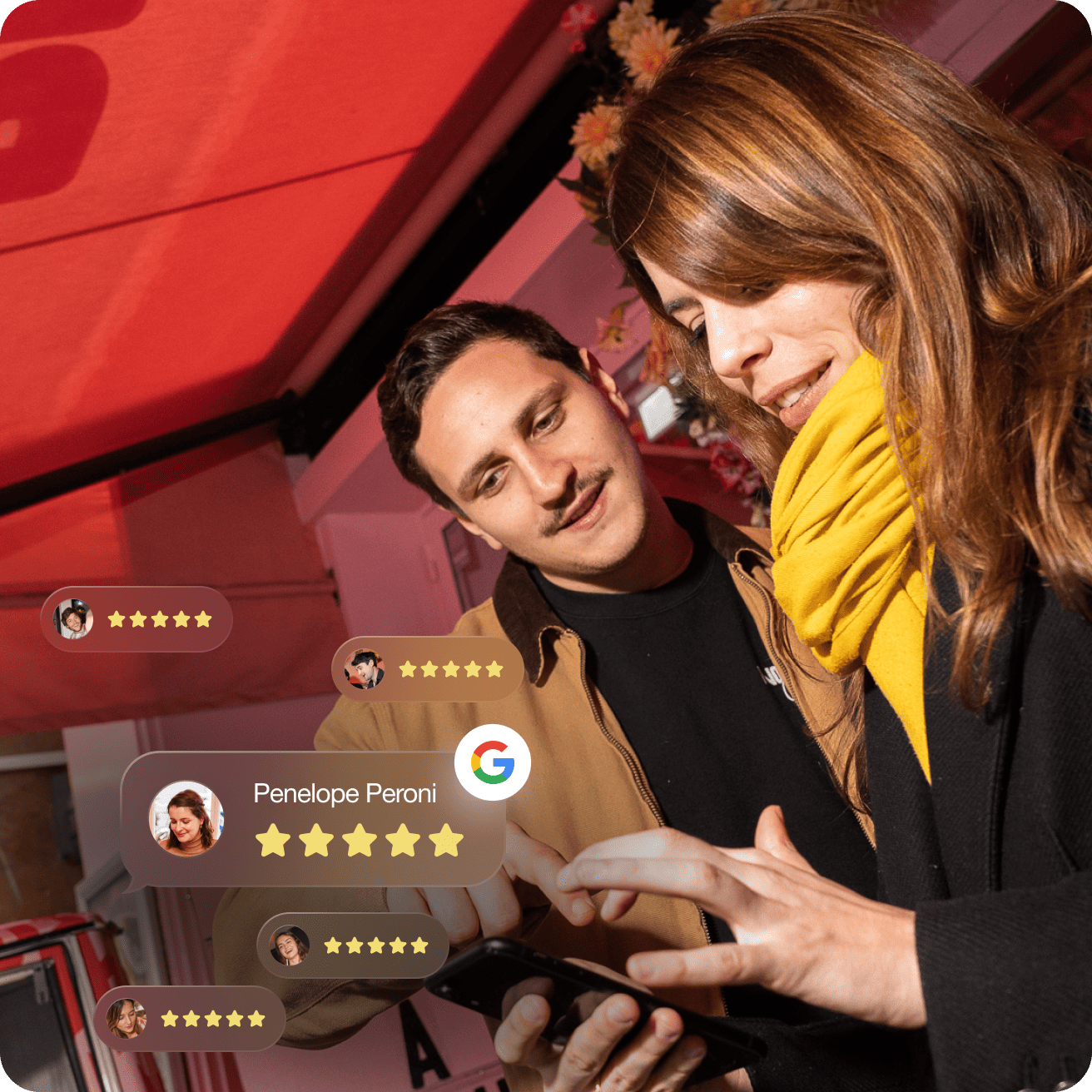
And if you use a digital payment solution like sunday, you can even integrate a call-to-action for customers to leave a review praising their favourite server or mentioning that extra mile your bartender went. Such visible admiration boosts your team’s morale and encourages them to continue excelling.
6. Promoting Growth and Development
Rewarding your team doesn’t always have to be about immediate perks; long-term development efforts can be just as revitalising. Training and educational programmes might sound utilitarian, but when framed as opportunities rather than chores, they become powerful motivators.
6.1 Skill-Building Workshops
Invest in talent. Let your chef learn new plating techniques or dabble with global cuisines. Perhaps invite a local baker to give a masterclass on artisan bread, or arrange for your bartenders to learn the nuances of craft cocktails from a mixology pro. This not only makes your staff feel appreciated—because you’re investing in their growth—but can also enhance the overall dining experience you offer.
- Interactive pastry classes for your dessert crew
- Artisanal coffee training for baristas and front-of-house staff
- Hospitality management workshops for those aiming to grow into supervisory roles
By demonstrating that the restaurant values personal and professional development, you create a sense of career progression. This can help reduce turnover and elevate the daily operations to a more refined level.
6.2 Recognising Transferable Skills
Restaurant roles often require multi-faceted abilities: time management, conflict resolution, teamwork, creativity, and even marketing savvy. Encourage your team to perceive these as portable skills that can shape their future paths. And by acknowledging their development, you highlight that you see potential beyond just “employee A” or “employee B.” You see an individual with room to grow.
7. Financial Perks and Incentives
While intangible rewards and thoughtful gestures mean a great deal, financial compensation remains a powerful motivator. If this season was particularly profitable, consider sharing some of that success with your team. According to the Federation of Small Businesses (FSB), small businesses that recognise employees financially often see improvements in loyalty and morale.
7.1 Bonuses or Profit-Sharing
A straightforward approach is offering cash bonuses. This doesn’t necessarily need to be a huge amount—if finances are tight, every bit of recognition counts. Another possibility is a form of profit-sharing or performance-based pay that reflects the restaurant’s success. This could be structured for the festive season specifically.
Bear in mind that clarity on how the bonus is calculated fosters trust. Staff want to know that the process is objective and fair; so outline the criteria and ensure everyone knows how the final figure was reached.
7.2 Vouchers and Discounts
If a cash bonus isn’t feasible, there are still many rewarding ways to give back. Vouchers for local shops, online learning platforms, gyms, or even entertainment experiences can show your team you’re mindful of their interests. A flexible voucher scheme allows them to customise their reward, ensuring it speaks directly to their preferences.
You can also extend generous staff discounts for your own restaurant menu. That might include special deals on takeaway or the option to bring family and friends for a discounted dining experience. This approach goes beyond standard staff meals, making them feel valued even off the clock.
8. Streamlining Processes to Reduce Stress
One of the greatest “rewards” you can offer is less day-to-day friction. Technology can help, simplifying tasks such as taking orders, managing reservations, or handling payments. Minimising stressors allows your team to focus on what truly matters: delivering an excellent service and engaging with guests in a genuine, personable way.
8.1 Investing in Smarter Payment Systems
In a fast-paced environment, speed and efficiency can make your staff’s lives easier. Rather than relying on old-fashioned card machines, adopting modern solutions such as sunday allows customers to pay using a simple QR code scan, split the bill when needed, and even leave tips or post reviews. Cutting down on that extra back-and-forth to the till not only saves your servers’ legs but also enhances the guest experience. With fewer steps in the process, your staff can spend more time focusing on hospitality rather than handling receipts.
8.2 Improved Booking and Seating Systems
Adopting an efficient table management or reservation platform means fewer scheduling mishaps, shorter waits, and less pressure on staff during busy hours. Many software solutions integrate waiting lists and send automated text updates, freeing up your hosts or front-of-house staff to focus on greeting guests warmly. This helps maintain calm, even when the dining room is full, leading to a more pleasant atmosphere for staff and guests alike.
9. Encouraging Well-Being on the Job
Hospitality can be a demanding industry—both physically and emotionally. Simple measures that foster well-being often translate into happier staff. Something as straightforward as supplying proper footwear stipends, ergonomic mats behind the bar, or flexible break schedules can show you care about their comfort.
9.1 Mental Health Support
Long working hours and strenuous tasks can take a toll on mental health, especially amid holiday demands. Providing resources such as access to professional counselling or hosting quick workshops on stress management can demonstrate you take the team’s mental health seriously.
Encourage open communication. If a staff member seems overwhelmed, let them know it’s okay to speak up. Share information about local or regional support lines, and if budget permits, consider offering optional mental health days. This approach underscores that you see your staff as whole people, not just employees.
9.2 Peer Support Systems
Fostering an environment where team members look out for each other goes a long way. Encourage staff to buddy up and check in with one another. Pair new employees with veterans who can offer guidance. During hectic shifts, a quick supportive word can reduce stress and maintain morale. Over time, this culture of camaraderie builds a sense of belonging.
10. Setting Future Goals and Incentives
It’s never too early to look ahead. The immediate post-festive period is a great time to gather feedback and implement strategies that translate into long-term success. If you want to keep staff motivated, clarify what’s next. Show them that rewarding their hard work isn’t just a one-off deal.
10.1 Planning for Next Season
Invite your team to debrief: what worked well, what could be improved, and how can the restaurant be even more prepared for the next big rush? By actively involving them, you nurture a sense of ownership—everyone at the table knows their opinions matter. Outline ways you’ll address recurring pressure points.
For instance, if one of the stressors was slow payment processing, you might propose a shift to solutions like sunday for an even smoother experience. If long waiting times caused stress, explore new reservation systems or improvements in table-turn management. Post-holiday seasons can often highlight the cracks you might want to patch before the next surge in bookings.
10.2 Year-Round Incentive Programmes
Rewarding your staff after the festive rush is important, but regular recognition throughout the year can be even more impactful. Set up quarterly or monthly incentives—whether in the form of small bonuses, “Employee of the Month” highlights, or skill-based competitions.
Remember, transparency is key. Let people know the criteria for these rewards, so it doesn’t feel arbitrary. The sense of fair competition can also galvanise team spirit—everyone pulls together to meet shared targets, from upselling specials to earning positive customer feedback. Providing real-time updates on progress keeps the momentum going and helps avoid any end-of-monitoring surprise.
11. The Subtle Power of Gratitude
Amid all the potential perks and financial bonuses, never underestimate the value of sincere words. A direct, heartfelt “Thank you” can sometimes have a deeper impact than a generic gesture. Let your employees know specifically what you appreciate about them—be it quick problem-solving under pressure or creating a warm, authentic experience for each guest.
When staff feel seen and acknowledged for their individual contributions, it strengthens the bond between them and the restaurant’s mission. Encourage managers to regularly voice thanks, not only after the big rush but whenever someone goes above and beyond. Even better, create a system where teammates can give each other small notes of gratitude for helpful acts—this fosters a positive vibe that can become woven into the daily culture.
12. Ensuring Long-Term Retention
Staff retention is a vital part of any restaurant’s success. Skilled employees who stay longer carry invaluable institutional knowledge and build relationships with returning diners. Post-festive appreciation is one piece of that puzzle. Another aspect is consistently demonstrating that you have your employees’ interests at heart.
The cyclical nature of the hospitality sector means periods of calm will inevitably give way to high-intensity weeks again—bank holidays, summer seasons, and new menu launches. When your staff trusts that you’ll stand by them through these waves, they’ll be more willing to stay on board.
12.1 Building a Positive Reputation
In a competitive job market, restaurants that treat their teams well develop a strong employer brand. Word travels fast in the hospitality community. If your restaurant is known for being supportive—offering growth, rest, and recognition—finding talented new staff in the future becomes easier. Even if you need to recruit more people for the next festive rush, your reputation will attract quality candidates who align with your values.
Ethical treatment doesn’t just benefit employees; guests tend to have a better dining experience when served by staff who genuinely feel appreciated. That positive energy is palpable—and it spreads through word-of-mouth and online reviews alike.
12.2 Social Responsibility
Increasingly, people want to support businesses that look after their staff—restaurants included. Ethical labour practices and staff well-being can even become an integral part of your brand identity. When you share meaningful stories of staff training, personal development, or even community involvement, you underline that your restaurant is an inclusive place that champions its people.
13. Rewarding Consistency Beyond the Holiday Boom
Think of your team as an engine that keeps your restaurant moving. During the festive season, they shifted into high gear. Now that you’re returning to a steadier pace, it’s important not to let recognition slip away. Keep that culture of gratitude alive.
If a staff member continues to excel in the quieter months, point it out, celebrate it, offer small gestures of thanks. When you make these consistently, the act of acknowledgement becomes second nature, and your team stays engaged year-round.
Frequently Asked Questions
How soon after the festive rush should I reward my team?
Most restaurants hold a debrief within a few weeks of the holiday season. It’s wise to hand out any bonuses or give recognition relatively quickly, so the hard work is still fresh in everyone’s minds.
Does a rewards programme have to be expensive?
Not at all. A heartfelt gesture or a simple extra day off can sometimes mean more than a costly gift alone. It’s about the sincerity and personal touch behind any reward.
What if I can’t offer financial bonuses this year?
You can still show appreciation by organising team gatherings, offering skill-building workshops, or giving personalised gifts or notes of thanks. Consistency, authenticity, and recognition are the core elements—money is just one of many possible ways to reward.
How can I make sure these rewards benefit my restaurant’s bottom line?
A motivated, appreciated team leads to better service, simpler staff retention, and a stronger reputation among customers. All of these factors can improve your restaurant’s financial success over time.
Should I involve customers in the gratitude process?
Yes, you can encourage guests to leave positive reviews or mention excellent service. This public appreciation builds staff pride and motivates them to keep delivering top-notch hospitality.


 1min
1min