Reimagining Your Restaurant’s Staffing Strategy for the New Year
The period following the winter holidays can be challenging for restaurant owners, as customer footfall often dips and staff morale may lag after hectic festive shifts. To keep business thriving, it is vital to plan staff schedules strategically. By analysing sales patterns, communicating openly with your team, and making room for flexible shifts, you can optimise labour costs and protect profit margins. Embracing digital tools, such as quick QR-based payment solutions, can also reduce strain on staff and improve your guests’ experience. Focusing on enhancing employee engagement and preserving long-term loyalty is equally essential. The right staffing approach will help you navigate the slower months with confidence and gear up for future success.
1. Understanding the Post-Festive Slowdown
Many UK restaurateurs notice a reduction in footfall after the New Year, as post-holiday budgets are tighter and consumers are less inclined to indulge in multiple restaurant meals. It’s a natural dip in demand – but that doesn’t mean you have to take it lying down.
- Seasonal Spending Drop: Guests often spend more in November and December than in January. As a result, average ticket sizes and sales can fall once January hits.
- Changing Consumer Behaviour: Many people choose “Dry January” or adopt healthier eating patterns, skipping nights out in the immediate weeks following New Year.
- Staff Burnout: Exhausted from high-pressure festive shifts, some staff may battle fatigue and require more considerate scheduling.
The aim here is to remain proactive. It’s the perfect opportunity to review your rosters and plan for a quieter spell. Failing to adapt will mean unnecessary labour costs, lower staff morale, and the possibility of decreased customer satisfaction.
2. Identifying Your Restaurant’s New Needs
When it comes to scheduling your team effectively in January (and beyond), the single most vital step is to determine your restaurant’s actual requirements. Overstaffing might cause you to haemorrhage profits, but understaffing means you cannot deliver the service your customers expect.
Ask yourself these questions:
- How have my sales changed? Compare your current revenue with the figures recorded during the festive rush. Are your takings significantly down, or just marginally?
- What are the busiest days post-holiday? Don’t assume that you simply lose all customers after 2 January. Check your booking system and walk-in traffic patterns to identify pockets of steady business.
- Which roles are essential? In slower periods, it can be helpful to cross-train staff so a single team member can handle multiple tasks.
Gather as much data as possible from your POS or digital ordering devices. If you have a smaller operation, set aside time to chat with your staff about which shifts truly require more hands-on-deck. Your employees hold a wealth of insights that excel sheets can’t always capture.
3. Embracing Data-Driven Scheduling Tools
Data-fuelled insights can help you schedule smarter. Digital workforce management solutions let you forecast footfall based on past patterns. These tools can gauge exactly how many servers, bartenders, or kitchen staff you might need on a given day.
- Forecast Accuracy: By analysing seasonal trends, you can better predict how many brunch guests you might host on a Saturday or whether weekday lunches remain robust in January.
- Cost Control: Keep an eye on your labour cost percentage. Industry experts often suggest an ideal figure around 20–30% of revenue (though the exact range depends on location and concept).
- Automatic Scheduling Updates: If patterns change unexpectedly, these tools can adjust your roster quickly. Plus, employees get immediate notifications about any shift changes.
If you’re eager to explore reliable workforce management options or learn more about effective staff planning, the CIPD’s guidelines on workforce planning can be a good starting point. Although such software can’t solve every issue, it does streamline your approach, reduce guesswork, and free you from endless hours spent fiddling with schedules on a spreadsheet.
4. Fostering Staff Morale and Loyalty
Once the merriment fades, staff might feel low energy or even uncertain about their future availability with you. This period can be a true test of employee loyalty. But, with the right strategy, it can also be an opportunity to strengthen your relationship with the team.
- Fair Rotations: Offer staff equitable distribution of desirable and less desirable shifts. Doing so prevents jealousy and resentment.
- Open Communication: Maintain transparency about expected slowdown. Let your team voice any scheduling concerns. A short conversation can ease worries about reduced hours or unpredictable shifts.
- Cross-Training: Teach your servers extra barista skills or train your bartenders to manage the floor. Versatile employees often feel more confident, valued, and engaged.
- Team Building: Arrange a brief staff appreciation event or group activity after the intense holiday period. Showing gratitude cultivates loyalty.
Staff that feel secure, respected, and heard are more inclined to stay for the long haul. Consistency in staffing also means you have better trained employees for the next wave of sports fans, Valentine’s diners, or half-term families.
5. Pruning Your Menu to Match Demand
If your restaurant experiences a noticeable slump, one strategic move is to review your menu. Cutting down on the number of dishes you offer can significantly simplify the cooking process, reduce ingredient waste, and even help you reorganise staff responsibilities.
- Fewer Items, Swifter Service: With less prep to juggle, your kitchen team can focus on perfect execution.
- Cost-Saving Opportunities: By sourcing fewer ingredients, you may negotiate better deals with suppliers. Plus, you’ll reduce the risk of spoiled produce.
- Focus on Signature Dishes: Hone in on the items that keep diners coming back. Emphasising your top sellers can heighten guest satisfaction.
Be sure to communicate clearly with your servers about any menu changes. They need to be fully briefed on new offerings and up-to-date on what’s no longer available. This, in turn, ensures they can confidently guide the customers, translate specials with flair, and recommend the perfect pairing.
6. Maximising Efficiency Through Digital Solutions
A quieter post-festive period is a golden opportunity to integrate or refine digital solutions. Enhanced payment options, for instance, can increase table turnover and reduce the burden on your front-of-house staff.
That’s where sunday’s QR-based payment system may prove valuable. Instead of staff juggling card payment terminals or scurrying around with heavy bill folders, guests can simply scan a QR code on the table, pay at their leisure, and even add a tip right from their phone. Less hassle, more time for staff to focus on the finer points of hospitality.
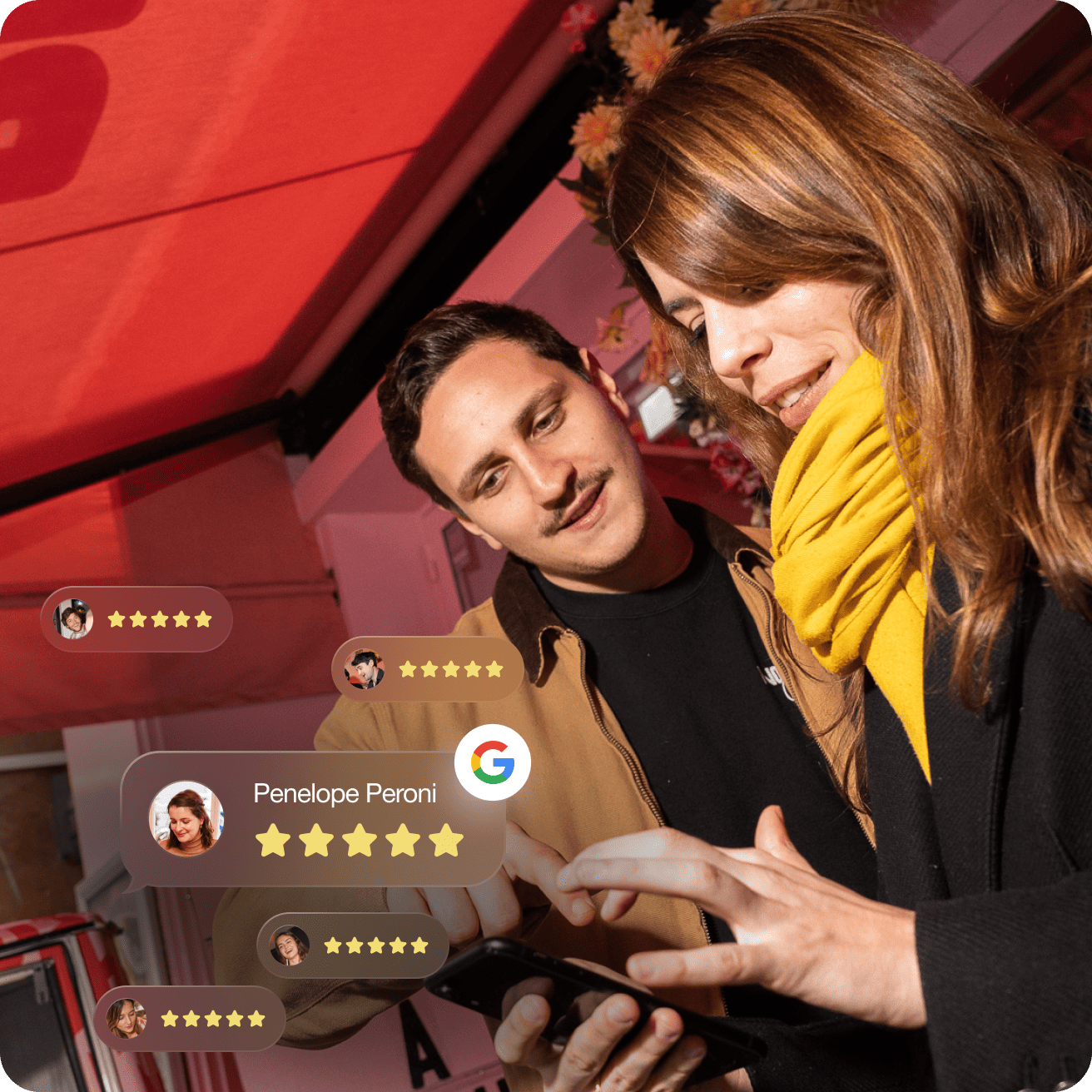
Moreover, a frictionless payment journey often translates into greater customer satisfaction and loyalty. Some integrated solutions even prompt guests to leave a small Google review during the checkout process, making it easier to gather valuable social proof for your restaurant.
- Streamlined Service: Staff can devote more energy to delivering memorable moments rather than running payments back and forth.
- Contactless Efficiency: Digital payments cut down on queue times, especially crucial when tackling variable staffing levels.
- Improved Guest Experience: No customer likes waiting for their bill. QR code payments let them settle quickly, slip away, and post a kind word or two online if they had a lovely meal.
When you’re re-evaluating your staffing schedules, solutions that free up staff time can make an enormous difference in day-to-day operations.
7. Leveraging the January Lull to Train and Upskill
During the busier holiday stretch, managers typically put professional development on hold. Now is when you can re-ignite that passion for learning within your team.
- Skill Workshops: Pull aside a day (or a few hours) each week to teach new cooking techniques, advanced food safety protocols, or cocktail masterclasses.
- Customer Service Refreshers: With post-festive visitors still trickling in, a stellar welcome and consistent service can immensely boost word-of-mouth.
- Technology Training: If you’re expanding your digital ecosystem, ensure the team is familiar with your online booking platform, workflow management tool, or payment solution.
Not only does this improve your service offerings, but it also sends a clear message to staff: you’re investing in their growth. Morale and loyalty often grow in tandem with skill development.
8. Fine-Tuning Labour Costs and Roles
One major obstacle to profitable staff scheduling is balancing labour costs against unpredictable demand. Walking the line between too many staff and too few can feel like a dreaded high-wire act.
Here are a few simple checks to manage labour costs effectively:
- Regularly Track Key Indicators: Monitor metrics like sales per labour hour, table turnovers per shift, and average check sizes. You can’t manage what you don’t measure, after all.
- Anticipate Seasonal Events: Even after the holidays, there are still events to tap into – Valentine’s Day, Mother’s Day, local festivals, and sports tournaments.
- On-Call System: For borderline busy nights, implement an on-call system. Staff remain informed but won’t come in unless necessary.
- Shorter Shifts: Sometimes a four-hour coverage during peak times suffices, rather than an eight-hour shift that leads to staff standing idle.
Encourage managers and shift supervisors to give feedback on how your scheduling plan is working in practical terms. The best approach is dynamic – never set your roster on autopilot.
9. Maintaining Customer Satisfaction Through Personal Touch
A sparser dining room might tempt you to lower the personal touch, but this calmer environment actually offers you greater chances to go all-out on hospitality. If a server has fewer tables, they can spend more time chatting with customers, curating menu recommendations, and ensuring each patron feels special.
- Upsell with Care: With more time, servers can walk diners through your signature dishes or pair a dessert wine with a sweet treat.
- Memorable Experiences: A quiet January night is an ideal setting for interactive tableside preparations like flambé dishes or handcrafted cocktails.
- One-to-One Connections: Where time allows, greet loyal visitors personally. Show them that your attention to customer relationship management extends beyond the cheer of December.
With fewer crowds, guests who do venture out might be craving a cosy, personalised experience. Meeting these expectations can keep your reservation book active, even in the slower period.
10. Planning for the Next Big Rush
Just because January seems sleepy doesn’t mean you can’t prepare out-of-the-box ideas for the next big occasion. From Valentine’s Day to spring bank holidays, you know that traffic will rebound, and your staff scheduling should be ready to pivot.
- Data Analysis: Keep building on your data, so you can anticipate who’s booking and when. Historical trends remain one of your greatest resources.
- Marketing Calendar: As footfall picks up closer to events, finalise promotional offers early and train staff to handle any unique service requirements.
- Refresh Menus: Introduce appealing seasonal specials, and train your team to champion them when the dining room livens up again.
Harnessing the quieter moments for planning can reduce unwanted stress during busier weeks. Being organised and communicative with staff ensures a smoother transition when the tills start ringing with renewed vigour.
11. Encouraging a Culture of Flexibility
Flexibility isn’t only about re-adjusting rosters. It’s an ethos that can permeate the workplace. This is particularly helpful in uncertain times, such as fluctuating customer habits or emerging cost-of-living concerns.
When your business and your employees are open-minded about hours, responsibilities, and even location (e.g., if you operate multiple sites), you become more agile. Tight scheduling windows transform into an opportunity for staff to pick up shifts in different departments, discover new skill sets, and help where they’re most needed.
Here are some ways to cultivate that culture:
- Transparent Shift-Bidding: Let staff pick up extra shifts if they want more hours, or swap them if necessary. The autonomy can foster trust.
- Holiday Coverage Incentives: Offer perks or small bonuses for staff who volunteer to work on short notice.
- Rotate Roles: Encourage staff to shadow colleagues in different roles. Should the need arise, your workforce will be more resilient.
This doesn’t mean scrapping structure altogether; simply ensure your plan retains enough elasticity to respond to the unexpected.
12. Balancing Costs Without Compromising Service
It can be tempting during quieter weeks to reduce staffing to a bare minimum. But borderline skeleton crews risk burning out your employees and disappointing any guests who venture in, eventually harming your reputation.
Instead of cutting corners, adopt cost-saving measures that do not undermine the guest experience:
- Simplify Processes: Introduce more efficient cleaning routines and streamlined table setups to cut down on wasted effort.
- Leverage Technology: Integrate a digital reservation platform that provides automated reminders to reduce no-shows. This ensures you can plan staff levels effectively.
- Encourage Staff Feedback: Employees often spot inefficiencies managers might miss. Ask them for suggestions on ways to save time or resources.
Over time, small increments of efficiency add up. Your employees remain motivated, and your customers see no dip in quality or warmth.
13. Boosting Revenue in Creative Ways
Sometimes, an alternative fix for a slow period is to stir up interest with special offers, events, or collaborations. While staff scheduling might be your core focus, generating new revenue streams shouldn’t be overlooked.
Consider these ideas:
- Themed Nights: Host a special tasting menu or regional cuisine event. Keep your team engaged with a fresh challenge – from designing the menu to setting up the décor.
- Local Partnerships: Collaborate with nearby businesses, such as cinemas or theatres, to create combined packages. It’s a prime way to draw more footfall.
- Gift Card Promotions: Offer deals on future meals. Gift cards can invite later visits that keep your employees occupied.
A more creative approach to your offering in January can both maintain staff morale and entice customers out of hibernation, thus balancing your labour needs.
14. Tracking Employee Welfare and Stress Levels
High-season demands can still linger in the minds (and bodies) of staff well into the New Year. Recognise that some may still be dealing with fatigue. By actively monitoring morale and mental well-being, you preserve a supportive environment that ensures your workforce remains stable and enthusiastic.
- Regular Check-Ins: Encourage shift leaders or managers to hold brief one-on-one chats to gauge how your staff is coping. Listen to their challenges and adapt if needed.
- Promote Breaks: Ensure that your team has adequate time to decompress. Staff who are constantly “on show” need that mental space to recharge.
- Celebrate Small Wins: If your employees handle a difficult rush or secure a stellar online review, acknowledge their hard work!
A healthy work culture is the bedrock of any successful restaurant. When employees know their well-being matters, they reflect that positivity onto guests.
15. Reinforcing Your Reputation Through Reviews
With fewer diners, it’s easier to focus on generating high-quality service experiences that lead to glowing reviews. Positive feedback on platforms like Google not only helps drum up business throughout the year, but also heightens your restaurant’s credibility.
Providing a quick link to review your establishment can be a game-changer. QR-based payment solutions can prompt diners to leave a rating or comment as soon as they’ve paid – minimising the friction of remembering to do it later.
- Use Reminders: Politely remind happy customers to share their positive thoughts online. A small nudge is often enough.
- Show Appreciation: Let them know that each review helps your local business thrive. A personal thank you note fosters loyalty.
- Monitor Responsibly: If criticism arises in a review, respond thoughtfully and professionally. Show that you value feedback and address challenges head-on.
Building up your online reputation is never an overnight task, but the post-festive window offers time to embed these processes without the chaos of peak crowds.
16. Gradually Gearing Up for Peak Periods
As the gap closes between the festive rush and upcoming celebrations, don’t let the lull deceive you into forgetting that new peaks can appear. Keep paying attention to advanced bookings, local events, and any national campaigns encouraging dining out.
This forward-thinking approach will help you:
- Avoid Last-Minute Hiring: If you see a busy streak forming, you’ll have the chance to bring in extra help early.
- Retain Trained Staff: As you rely on your core team, keep them in the loop and let them know bigger shifts might be on the horizon once footfall picks up.
- Stay Customer-Focused: Loyal patrons should feel reassured that, whether busy or slow, your restaurant is consistently attentive to their needs.
Ultimately, this cyclical approach to workforce planning ensures every phase – from quiet to bustling – is handled with intention.
17. Final Thoughts on Navigating the Post-Festive Period
For restaurant owners in the UK, the new year may bring a sense of relief mixed with unease about how to keep staff occupied and engaged. By combining data, dialogue, and digital tools, you craft schedules that satisfy both your bottom line and your employees’ well-being.
Rather than viewing the slower weeks as a nuisance, use them to train staff, refine your menu, and strengthen relationships with your customers. Adaptability is your greatest ally, and a thoughtful strategy can turn a vacant dining room into a wellspring of opportunity.
FAQ
- How can I avoid cutting staff hours too drastically?Gradually scale your rota based on real-time sales data rather than making immediate blanket cuts. Communicate transparently with staff about projected business levels and highlight opportunities for cross-training or flexible shifts to distribute hours more evenly.
- What if I do not have advanced scheduling software?You can still create a more data-led approach by reviewing your historic sales reports or point-of-sale figures. Pair that data with your managers’ insights, then build your schedule in a shared spreadsheet. The key is consistency and regular reviews of any changes in customer flow.
- How can I make the most of digital payment solutions without losing personal contact?Embrace a hybrid approach: let guests settle the bill instantly via a QR code while still arranging at-table interactions. Show genuine care and culinary knowledge throughout the visit, so diners experience a human touch alongside the convenience of quick payments.
- Why is staff morale particularly important after the festive season?The festive rush can be demanding physically and mentally. Staff morale may dip from fatigue or uncertainty about post-holiday hours. When you nurture an engaged, supportive work environment, employees feel appreciated and are more likely to remain motivated during slower times.
- Should I reduce my menu in January?It can be beneficial to simplify your menu, focusing on popular or profitable items. This helps control costs, streamline the kitchen’s workflow, and minimise waste. Ensure your staff are trained on the revised selection so they can still deliver confident recommendations.
- What if I suddenly get a surge in bookings?Maintain a degree of flexibility within your roster. Keep an on-call list of staff members who have expressed willingness to take additional shifts. Having a plan in place for unexpected crowds prevents chaos and upholds high-quality service.


 1min
1min