Smart Ways to Strengthen Your Restaurant’s Bottom Line This Winter
Many restaurants see lower sales in January due to post-holiday slowdowns and tighter household budgets. To protect margins, control costs through precise menu design, efficient staff scheduling, and portion management. Focus on strengthening revenue with special promotions, loyal customer experiences, and easy payment methods. Boost staff motivation by maintaining a team spirit and offering fair tip sharing. Adopt cost-cutting technology and explore new marketing angles to stay relevant. Tracking expenses closely ensures smart decisions in volatile times, helping your restaurant thrive even under winter pressures.
1. Recognise the January Slowdown and Adapt Pricing
January can be especially tricky for UK restaurateurs. According to some press reports (The Guardian), the first month of the year often goes hand in hand with a dip in consumer spending. Meanwhile, inflation pressures and rising energy costs compound the incentives for guests to be more budget-conscious.
Adaptive pricing is one way to manage this downturn. Consider these approaches:
- Happy hours: Offer reduced prices on key dishes or drinks during off-peak times to draw in more customers.
- Bundled meal deals: Pair starter, main and dessert for an attractive flat rate. This not only encourages more spending per visit but also streamlines your kitchen operations.
- Dynamic menu pricing: Investigate whether certain days (like Mondays or Tuesdays) might benefit from a slight discount to entice customers during typically slow periods.
While carefully adjusting your prices can draw in guests, remain sensitive to your actual costs. If you mark down too eagerly, you risk devaluing your menu. So, aim for balance: a dynamic approach that still safeguards your margins.
2. Engineer Your Menu with a Scalpel, Not a Cleaver
You’ve likely perfected a few signature dishes. Those items are what keep regulars coming back—even in quieter months. However, January is a time to step back and assess how much each dish truly contributes to your bottom line. A careful “menu engineering” review can go a long way:
- Identify your stars: These are dishes loved by customers and profitable for you. Highlight them in your menu design (use bold font, appealing descriptions or place them in premium spots).
- Cost-intense items: If certain dishes are too expensive to sustain at current prices, think about portion control, substituting ingredients or a marginal price increase.
- Refine your descriptions: An enticing narrative can justify a slight price bump. Use keywords that resonate with your audience—like “locally sourced” or “artisan”—but be honest and accurate.
Pinpointing which dishes drive revenue and which might weigh you down ensures each item on your menu earns its keep. Combined with a well-planned layout, intelligent menu engineering can quietly lift your margins even when footfall slows.
3. Tackle Ingredient Inflation and Waste
Food prices have been on a rollercoaster ride, impacted by global supply chain fluctuations and the UK’s changing trade environment. To prevent spiralling costs from eating into your profits, take a two-pronged approach: purchasing strategically and minimising wastage.
Purchasing:
- Lock in supply deals: Build relationships with trusted suppliers. Negotiating fixed-price agreements can create a safety net against unexpected hikes.
- Seasonal swaps: Wherever possible, select vegetables, fruits or proteins that are in season—these are often less expensive and offer higher flavour quality.
- Group buying: Explore local or regional collaborations with other restaurants for bulk purchasing discounts.
Waste reduction:
- Track daily waste: Keep a simple log of items thrown away. Spot patterns and make adjustments—do this consistently, and you’ll find surprising leaks in your budget.
- Portion control: Standardise serving sizes to reduce guesswork. Educate your kitchen staff to weigh or measure high-cost ingredients.
- Creative re-purposing: Stale bread can be turned into croutons, leftover vegetables can become a soup base. Make sure dishes align with your brand and remain appetising to your guests.
When each ingredient is valued and used wisely, you’ll see direct gains in your profit margins. Imagine it as turning every scrap of carrot or inch of pastry dough into something that contributes to your success.
4. Energise Your Restaurant Staff
As an owner, you know staff wages are a large part of your outlay. During quieter seasons like January, scheduling fewer servers or chefs can feel like the easiest route to preserving margins. But be careful: overstretching a small team is a recipe for burnout and subpar service. Instead, consider fine-tuning your approach.
4.1 Prioritise Smart Scheduling
Dig into your data from last year, or even from the previous months, to identify the busiest times. If weekends still attract enough guests to justify higher staffing, plan accordingly. For lighter midweek lunches, schedule minimal staff but ensure a manager or senior chef is always on hand to maintain quality. This results in a well-rested team and consistent customer service.
4.2 Motivate Through Recognition
When business slows, staff can feel underutilised or anxious about job security. You can lift morale by praising achievements and encouraging active engagement. For example, feature a “recommended by the head chef” dish each week or rotate employees’ favourites on the specials board. A small word of thanks or a quick staff meal can make all the difference in tough months.
4.3 Consider Tip Optimisation
In the UK, tipping culture is evolving. Some restaurants distribute tips through automated systems, ensuring both servers and kitchen staff receive a fair portion. Tools like sunday simplify digital tipping via QR codes, making it easier for guests to show appreciation. A fair tip distribution fosters loyalty and helps offset occasionally reduced hours for your team. That team spirit can radiate back to customers in the form of better hospitality.
5. Lean on Technology for Efficiency
The right technology can tidy up operations and free you from some of January’s woes. Adopting cost-effective tools doesn’t necessarily require a huge outlay.
- Online ordering platforms: If you see a dip in dine-in visitors, providing takeaways or click-and-collect options can keep your kitchen humming.
- Stock management software: Automatically track ingredient usage so you can reorder at the most economical times and avoid overstocking.
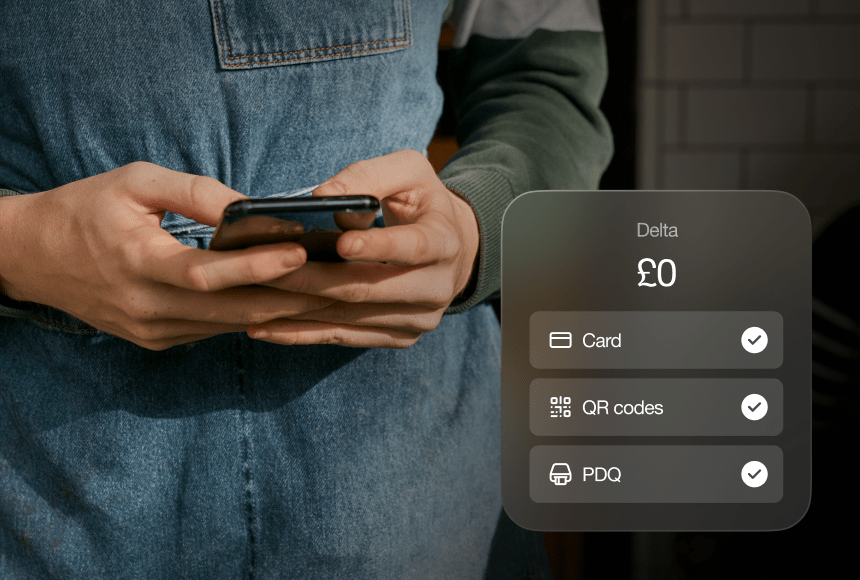
- Modern payment solutions: A frictionless payment terminal or a QR-based system like sunday invites guests to settle the bill quickly, improves table turnover, and can boost tips. With integrated feedback prompts, customers may also leave a Google review—helping further promote your restaurant.
Any automation that shaves minutes off repetitive tasks can add up to big savings over the course of a quiet month. The key is choosing technologies that fit your budget and complement your style of service. A thoughtful balance ensures you gain efficiency while keeping that warm, personal touch.
6. Tap into Seasonal Marketing Campaigns
January might be low-traffic for many sectors, but you can tap into seasonal themes to keep your brand fresh. Here are a few ideas to spice up your marketing:
- Veganuary Specials: If your menu features plant-based dishes, highlight them. It’s a great way to attract Veganuary participants without alienating your regulars. Consider a rotating “Dish of the Week” featuring local produce.
- Healthy Eating Initiatives: Many Brits are looking to cut calories or adopt healthier habits. Promote lighter versions of favourites or smaller portion options.
- Collaborations with Local Businesses: Coordinate with a nearby gym, yoga studio or spa to offer mutual discounts. Cross-promotion can help both parties draw interest from new customers.
Use social media creatively to share images of your Winter Warmer soups or a guilt-free dessert you’ve just launched. Engage your followers—ask them to vote on new menu ideas or share pictures of their month’s favourite meal at your place. Authentic connections and consistent updates typically generate more loyalty than generic deals or promotions.
7. Tighten Your Energy and Utility Strategy
Rising utility bills in the UK have been a hot topic, and restaurants feel this pinch acutely. While you can’t control energy prices, you can control your usage. A few adjustments might save a surprising amount over time:
- Improve insulation: Check for drafts around doors and windows. Even small fixes, like installing door sweeps or sealing window gaps, can keep the heat in and costs down.
- Equipment management: Switch off appliances or lights not in use. Replace older light bulbs with LED alternatives. Clean and maintain fridges and freezers regularly so they run more efficiently.
- Smart meter usage: Monitor your real-time energy consumption. Seeing spikes or dips helps you adapt, whether it’s adjusting thermostats or staggering usage of high-power equipment.
You can also encourage staff to embrace energy-saving techniques by involving them in the process. In a kitchen, every second a grill is left idle or every door that’s propped open escalates costs. Creating a culture of joint responsibility can translate into robust margin protection.
8. Keep Building Customer Relationships
Focusing on each visitor’s experience in January is crucial—not just to get them in the door once, but to earn their repeat business. Loyal customers spend more over time and often recommend you to friends.
8.1 Loyalty Schemes and Memberships
If you’ve never trialled a loyalty programme, January can be an excellent time to test a scaled-down version. Offer discounted or complimentary items after a certain number of visits or cumulative spend. Using a digital loyalty app can give your guests a convenient way to track their rewards while collecting useful data for you.
8.2 Personalised Outreach
Send a gentle reminder to last year’s customers via email or SMS. A short, warm greeting with a small incentive—like a complimentary dessert on their next visit—can rekindle interest. The personal touch will stand out more than yet another bulk marketing message.
8.3 Encourage Feedback and Reviews
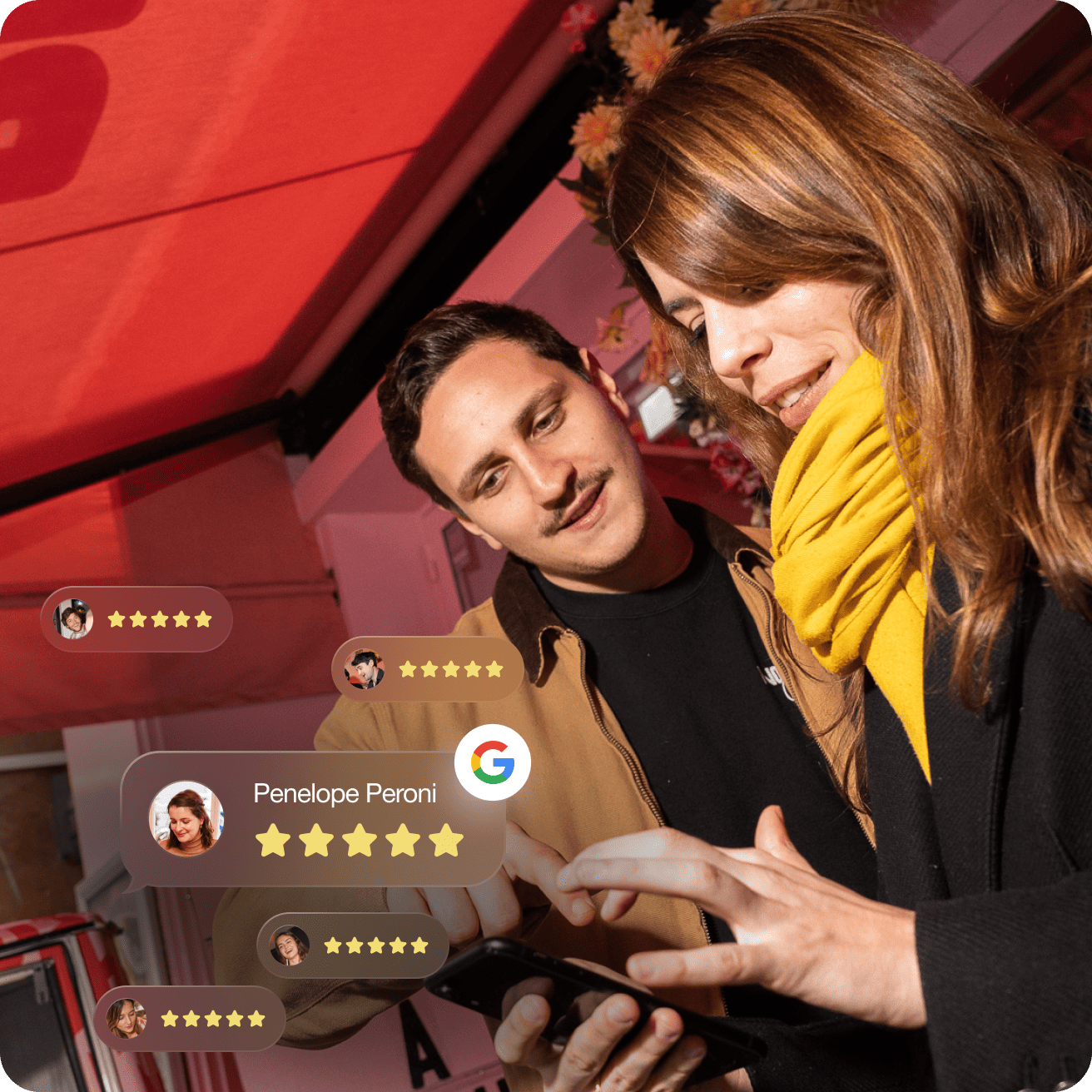
Google reviews can significantly influence where new customers decide to dine. Tools such as sunday help prompt guests to leave a review once they’ve paid via the QR code, simplifying the process. Gathering consistent positive feedback boosts your visibility and credibility online.
By cultivating genuine connections, you’ll keep diners excited about returning—even when their wallets are somewhat pinched after the festive season. After all, a comforting atmosphere and consistently pleasing meals are hard to resist.
9. Monitor and Adjust in Real Time
Protecting margins during a seasonal slowdown isn’t a one-and-done process. It calls for ongoing monitoring and responsiveness. Especially now, with economic conditions changing rapidly, you’ll want to keep a close eye on your weekly figures. Evaluate your sales, labour costs, and overhead expenses with the same regularity you check the weather forecast. This allows you to:
- Refresh menu items quickly: If a dish underperforms, don’t wait until spring to update. Rotate it out or re-price it.
- Adjust staff hours: Spot underused timeslots and shift your team scheduling accordingly. Transparent communication with your staff fosters cooperation rather than resentment.
- Refine promotions: Experiment with different approaches (new beverage deals, social media contests) and channel more resources towards what actually works.
January is no time to set processes on autopilot. By taking a hands-on approach and responding swiftly, your restaurant can sail through the winter slowdown with steady, protected margins.
10. Get the Most from Every Payment
Sometimes it’s the final step of the dining experience that can make or break your margins in busy or lean months. A slow or inconvenient card reader can frustrate customers, reduce table turnover, and even impact the tipping environment. Consider modernising how you handle money:
- Mobile payment options: If guests can pay right from their phone—by scanning a QR code on the receipt or on the table—you reduce friction. sunday is one such solution, and it’s known for speeding up settling times.
- Integrated data insights: Some solutions track sales data and feed it into your accounting platform. Faster reconciliation saves admin time and gives you near-instant visibility of what’s happening financially.
- Contactless beyond the card: Secure phone-based payments are second nature to many Brits. Encouraging them can shorten queues and improve your image as a tech-friendly venue.
When paying becomes a breeze, guests might be more inclined to give your place a thumbs-up online. That positive word-of-mouth can draw in new diners even during a season of restraint.
11. Weathering January with Confidence
While the forecasts for the first month of the year might look grey, remember that you have considerable control. By calculating carefully, refining the menu, adopting smart technology, encouraging your staff, and building meaningful relationships with customers, you anchor your margins. Seasonal ups and downs are natural, but proactive planning transforms potential slowdays into part of a sustainable business cycle.
The environment in the UK’s hospitality scene remains dynamic, and new trends will continue to shape restaurants’ fortunes. Yet at the heart of it all, success in January (and beyond) revolves around efficiency, genuine hospitality, and strategic thinking. Serve up a strong blend of these, and your restaurant has every chance of emerging from the winter lull in better shape than ever.
FAQ
What’s the easiest way to reduce food costs in January?
Focus on supplier negotiations and reduce waste. Buying in-season produce, locking in prices early, and minimising unused ingredients can make a big difference quickly.
How can I attract diners when they’re watching their spending?
Offer enticing deals without aggressively slashing prices. Think bundled meals, drink-and-dish combos for early evenings, or loyalty incentives to encourage repeat visits.
Should I cut staff hours during slow periods?
Reducing hours may help control costs, but maintaining service quality and staff morale is essential. Use your historical data to schedule smarter, and motivate your team with recognition and fair tip-sharing.
Does adopting technology mean losing a personal touch?
Not necessarily. Tools like QR-code payments or online booking platforms streamline logistics so your staff can focus on genuine hospitality. The key is choosing tools that enhance, not replace, human interaction.
How do I keep customers coming back once they’ve visited?
Encourage them to sign up for loyalty schemes or share online reviews. Personalise follow-up messages and ensure each guest’s experience is consistently positive.


 1min
1min