Smoother Bills, Happier Guests: Your Payment Path to Success
When fewer customers come through your doors, friction at the payment stage can exacerbate revenue challenges. Streamlined payment processes help boost diner satisfaction, encourage tipping and repeat business, and free up staff to focus on service and upselling. Eliminating unnecessary steps—like manual card machines or printers—can spark a positive cycle of efficiency. Clear digital payment options reduce queues, reinforce trust, and capture valuable feedback via reviews. By leveraging solutions such as QR code payments and mobile-friendly platforms, restaurant owners can encourage higher spending, maintain great service with fewer staff, and adapt to shifts in consumer behaviour.
Setting the Scene: Why Footfall Drops and Why It Matters
Picture a rainy Wednesday afternoon in Manchester. The lunchtime rush that used to be bustling has turned quiet, with only a handful of dedicated regulars trickling in. Or think of a Sunday evening in a cosy seaside café just after tourist season—locals have headed home, and the influx of holidaymakers has petered out. These scenarios are all too familiar for many UK restaurant owners, who know the painful sting of low footfall. When fewer diners walk through the door, every transaction matters more than ever.
We often focus on marketing tactics to draw people in—special offers, local flyers, or building hype on social media. Yet there’s another area that’s just as critical: how efficiently your team handles the bill and payment process itself. If diners experience delays or hassles when settling up—particularly in slower periods—the memory can linger and might detract from the overall guest experience. Worse still, friction in payment can cost you precious tips, slow table turnover during busier peaks, and hamper your efforts to collect insightful feedback.
In an era where contactless transactions have soared and consumer expectations around speed and simplicity have skyrocketed, rethinking payment could be your secret weapon in tightening up operations and driving diners to return. Let’s dig deeper into why payment friction is a silent killer and how you can address it, especially when footfall is in a lull.
1. Payment Friction: The Invisible Drain on Your Revenue
Payment friction may not be the first thing on your mind when you see empty tables, but it’s one of the hidden hurdles particularly costly in quieter times. Payment friction refers to anything that slows down or complicates the process of a customer settling their bill. This might include:
- Lengthy waits for the card reader or card machine
- Confusing or delayed printing of receipts
- Servers juggling multiple tasks and forgetting to bring the cheque promptly
- Inefficient point-of-sale systems requiring manual data entry or re-entries
When you have a restaurant full of customers, these delays might blend into the general hum of service; customers can be relatively forgiving if the kitchen is buzzing. However, during a lull, each tiny slowdown is magnified. Diners notice that their payment is taking longer than it should—after all, it’s a quiet day, so why the hold-up? That moment of impatience lodges itself in the diner’s memory, overshadowing even a well-prepared meal.
Even in a quick-service establishment, friction at the payment stage can prompt a chain reaction. Perhaps the customer decides not to tip as much or at all, or they skip dessert because they sense the staff is too busy fumbling at the till, or maybe they simply walk away with a ho-hum feeling about the experience. Multiply this scenario across weeks or months of reduced footfall, and the cumulative loss becomes significant.
2. Bridging the Gap: Recognising Quiet Times as Opportunity
Low footfall need not be all doom and gloom. A period of quieter trade can be leveraged to test new processes, explore innovative ideas, and train your team on advanced features of your point-of-sale solutions that may not be feasible to master during a peak rush. The key is viewing slower periods as a chance to optimise.
Are you thinking about introducing a new takeaway option or a special set menu? Now is the time to experiment with your payment setup to accommodate these additions. Maybe you want to implement a digital tipping system that prompts guests automatically. With fewer customers, staff have more time to learn the ropes without the pressure of a Saturday night queue. The “dead moments” can be spent looking at how your current payment process flows from the diner’s perspective—or better yet, from your staff’s perspective—and seeing exactly where the friction points arise.
After identifying bottlenecks, it’s easier to address them methodically. For instance, if you’re regularly waiting for a single payment terminal to free up, an additional or more versatile device might solve the issue. If staff are constantly running to the bar area to print receipts, consider bringing a compact receipt printer to each section or exploring an entirely digital process.
3. The Art of Speed: Streamlining Your Payment Process
It’s no secret that quick service translates to greater customer satisfaction. The payment phase is the last impression diners have, so a smooth exit matters. Think of it like the final course: if it leaves a good taste in their mouth, they’re more likely to remember your restaurant fondly. If the dessert is burnt—or, in this case, the payment process is clunky—they could leave with a sour aftertaste.
Below is a quick overview of the differences between a high-friction and low-friction payment model:
| High Friction |
Low Friction |
| Servers hand out printed receipts, collect credit cards, process at the till, return to the table |
Guests scan a QR code, review their bill, pay instantly on their phone |
| Manual card machines that sometimes have connectivity issues |
Reliable mobile payment terminals or embedded secure app solutions |
| Customer has to ask for the bill multiple times, long wait for staff to return |
Bill is readily accessible on the customer’s device, quick settlement |
The shift from chasing after a card machine to letting diners settle up on their phones fosters trust and convenience. According to UK Finance, contactless and mobile-driven payments in the UK have steadily grown. By harnessing that trend, you capture diners’ preference for a quick and touch-free experience.
Plus, when staff no longer need to shuttle back and forth with receipts, you save valuable minutes that can be channelled into better table service. This can directly translate to more engaged customers, bigger tips, and a more vibrant atmosphere—even on slower days.
4. Bringing in Tech: The Rise of QR Code Payments and Digital Menus
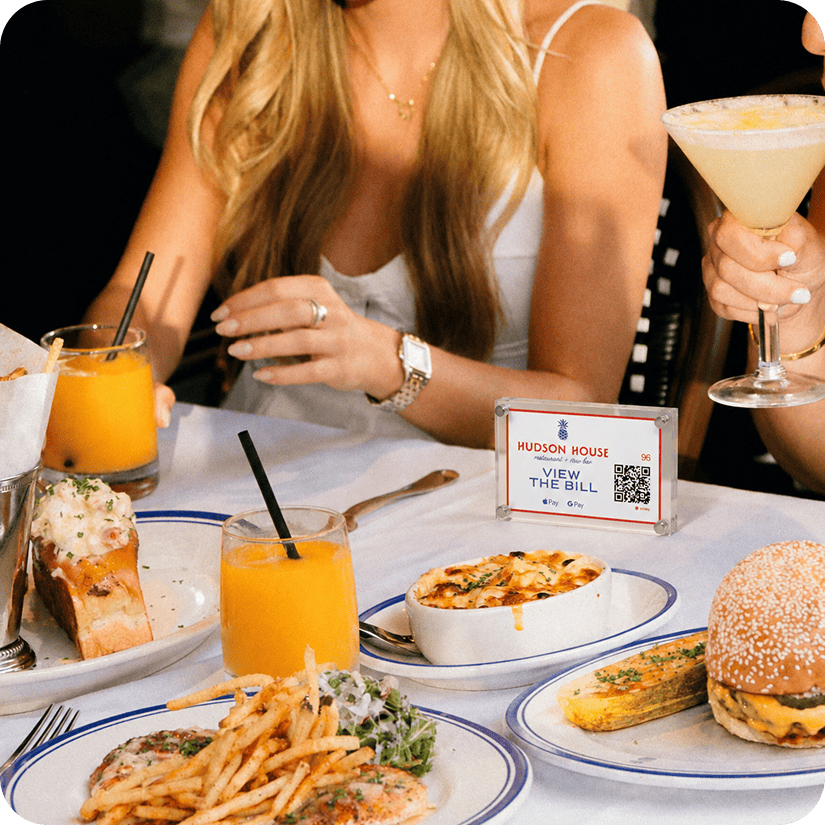
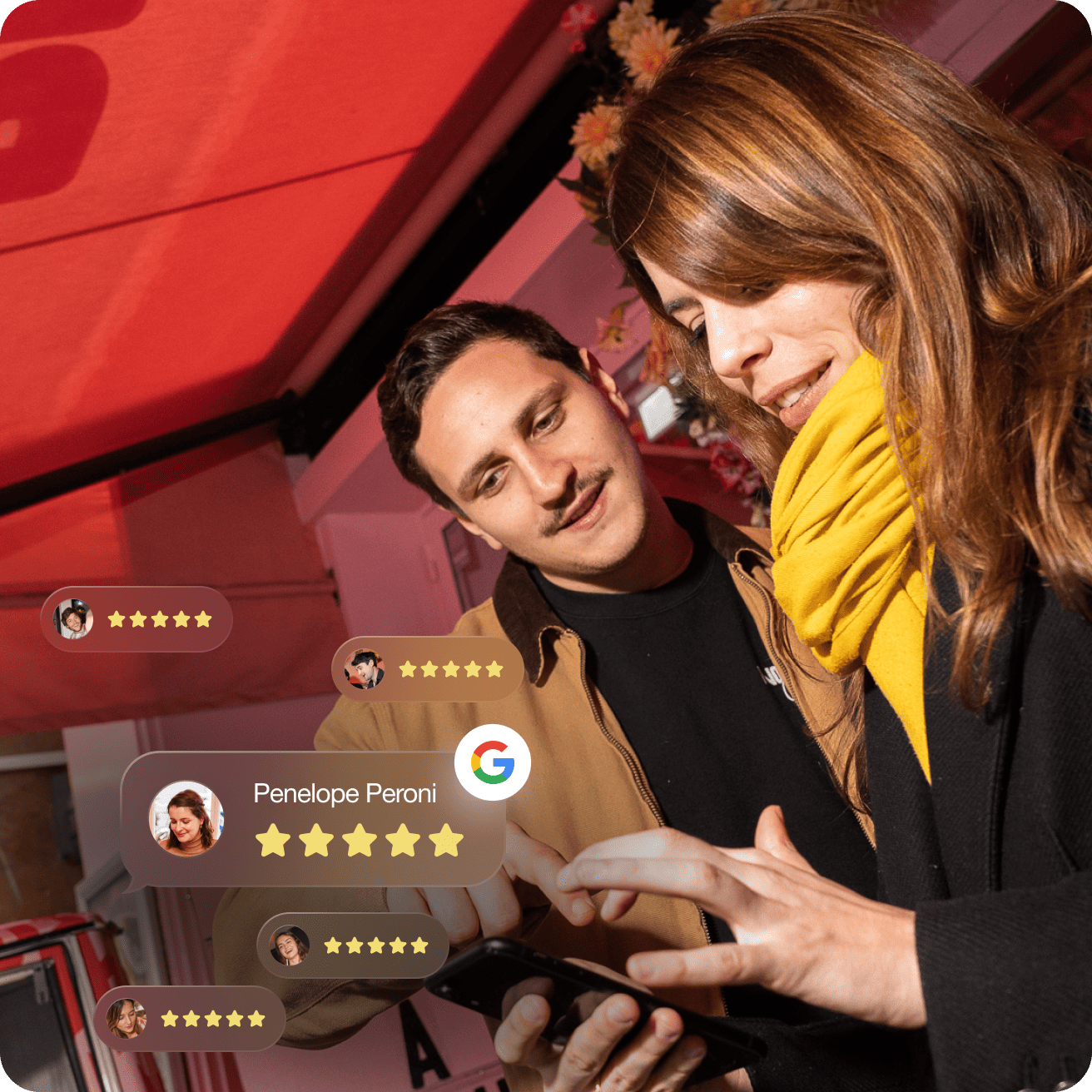
Not long ago, scanning a QR code seemed like a futuristic novelty. Today, especially after consumer habits shifted in the wake of the pandemic, QR codes have become mainstream—especially in hospitality. A quick scan leads diners to a digital menu or payment portal, letting them complete the transaction with ease. For instance, sunday integrates the entire process: a quick scan with a smartphone, an overview of the bill, an option to split payment instantly, tip, and even post a Google review.
The magic of QR code payments isn’t limited to high-end places. Think about smaller cafés or family-run pubs. Customers no longer need to wave for the server’s attention or queue at the till. They can check out whenever they wish, leaving staff free to focus on positive interactions rather than repetitive tasks. This freedom becomes particularly valuable when footfall drops: fewer staff can handle the entire floor effectively if payment tasks are streamlined.
Aside from speed, digital payment channels let you gently nudge customers to do more—like leave a review, sign up for your newsletter, or follow your social media pages. Linking the payment journey to your broader marketing funnel can transform low-traffic days into a springboard for future engagement.
5. Encouraging Tips and Ratings: The Subtle Boost in Tough Times
When the restaurant is not at capacity, every bit of revenue counts—tips included. Fortunately, digital payment solutions have proven especially effective in increasing tip amounts. Why? Because diners can add a tip with just a tap or quickly select a pre-defined percentage, without the awkward moment of searching for coins or doing mental maths at the table.
Add in a little human touch—like a cheerful “Thank you for your generosity!” message in the payment interface—and it can nudge guests to be more generous. Meanwhile, integrated review prompts can capture positive feedback from diners who might otherwise leave without sharing their thoughts, or who might forget about rating your restaurant once they step out the door. According to The Caterer, online reviews and social proof have an increasingly robust impact on potential customers searching for a place to eat.
Low footfall periods can be the perfect time to bolster your rating profile. When staff have more bandwidth, each diner can receive more personal attention, potentially leading to higher satisfaction. Encouraging that satisfied customer to leave a quick Google review—right at the payment stage—magnifies your visibility online. It’s a small digital embrace that goes a long way in driving more traffic through your doors later on.
6. Adapting Menus and Offers for Visitors Who Do Walk In
During quieter spells, it’s tempting to reduce the menu or cut costs aggressively. However, it’s worth considering a strategic approach to your menu offerings. Simplifying or tweaking your menu can indeed benefit your revenue, but you still want to create enough excitement so that the overall experience feels special.
With fewer people at tables, consider introducing a chef’s special or a limited-edition dish that guests can’t get elsewhere. Pair that with a seamless payment solution so that diners’ final memory reflects your restaurant’s forward-thinking approach. The more satisfied guests are, the higher the chance they’ll opt for extras—like a glass of wine or a dessert—and even a tip.
In addition, you can use your modern payment platform to gather marketing data. For instance, you might see that certain desserts are consistently leading to higher average spends. Capitalise on that by developing a special dessert pair-for-two offer, highlighted on your digital menu. The synergy between what’s on your menu and the frictionless payment experience can create a compelling dynamic to boost sales, even when footfall is low.
7. Focus on Staff Training and Morale
One silver lining of a slower day is the opportunity to engage more deeply with your team. Payment friction arises not just from technology but also from individuals who are unsure of how to use that technology effectively. A server who is comfortable with your digital payment solution—even adept at prompting customers for feedback—can embolden the entire process.
It’s also crucial to ensure your staff appreciate why reducing payment friction matters, rather than simply knowing the “how”. If they see that quick, smooth transactions lead to happier customers, bigger tips, and more positive online reviews, they’ll be motivated to deliver that seamless experience. Morale improves when staff feel confident with the tools and see direct benefits of their actions.
Use quieter days to stage quick role-play sessions. Encourage your team to practise greeting diners, presenting the digital payment process, mentioning the tip section politely, and offering a short explanation about leaving a Google review. A few run-throughs can transform staff from hesitant novices into enthusiastic ambassadors for your modernised payment approach.
8. Crafting the Diner’s Path: A Recurring Example
Sometimes it helps to see your strategies in action. Let’s follow the fictional restaurant “Greenfield Bistro” in Leeds during its quiet Wednesday lunch service. One of its two servers, Patricia, has a couple of tables to manage. Instead of waiting for a signal that the guests have finished, she gently drops off a small card with a QR code at each table when delivering mains.
This code, powered by a solution like sunday, not only leads to the online payment interface but also shows the menu in case diners fancy an extra dish. Paul, a diner at table three, finishes lunch, scans the code, and instantly sees his itemised bill. He notices that the interface highlights a recommended tip of 12.5%, with an option to manually adjust. The convenience factor nudges him to simply tap “Confirm”—plus, there’s a subtle “Leave a Review” button at the end of the process. Paul quickly gives them five stars on Google before he slips on his coat.
Total time from finishing his meal to standing up: Under two minutes. Patricia hasn’t had to sprint across the room or fumble with a card machine. She’s free to chat with another table, describing the bistro’s fresh fish delivery schedule. Meanwhile, Paul heads off to his next meeting feeling gratified by a friction-free experience. Multiply Paul’s scenario by dozens or hundreds of customers over a month, and you see how big the impact becomes.
9. Beyond Payments: Building a Memorable Customer Journey
Payments are just one aspect of a broader experience. The idea is to create a cohesive journey that flows from the moment customers discover you online, to when they walk in the door, savour your food, and finally leave a tip on the way out. By removing friction and layering in thoughtful touches, you’re effectively making your restaurant “stickier.” Diners will be more likely to recommend your establishment and choose you over the competition next time.
Community engagement, too, can take a front seat. If you’ve gathered email addresses or social media follows via the payment process, you can announce special pop-up dinners or Sunday brunch deals. Quick, seamless payments mean staff have more time to share those experiences and personally invite customers back.
While footfall might be low now, harnessing direct, meaningful interaction shapes your restaurant’s future success. Putting payment friction in the spotlight demonstrates you’re serious about diner satisfaction right to the last moment.
10. Practical Steps to Reduce Payment Friction
By now, you might be thinking: “All of this sounds great, but how do I actually implement it?” Let’s look at some straightforward steps you can take:
- Assess Your Current Setup: Map out the diner flow from ordering to payment. Identify each touchpoint where friction can occur.
- Go Digital: Choose a reliable payment solution—like a secure QR code system—that suits your restaurant size and style.
- Involve Your Team: Train staff thoroughly. Make sure they can explain the system confidently and deal with any tech hiccups.
- Promote Tipping: Prompt automatic tips and highlight pre-set percentages. It’s often more comfortable for diners and can boost your team’s income.
- Use Feedback Loops: Encourage reviews, capture email addresses, resolve issues promptly. Integrate these steps seamlessly into your final payment screen.
- Monitor and Adjust: Track average bill settlement times, tip percentages, and changes in footfall. Refine your approach as you learn more.
A continuous feedback cycle helps you adapt. For many in the industry, adopting a new payment method feels like a leap. But once implemented, the benefits—faster turnover, happier staff, stronger reviews—reinforce the decision. You’ll wonder why you didn’t do it sooner.
11. Sustaining Momentum: Keep the Energy Alive
After you revamp your payment process, it’s easy to become complacent, especially once you see an initial boost in tips or positive reviews. Yet complacency won’t do you any favours. Ongoing maintenance—both the technical aspects and staff training—will keep your payment approach up to date.
Check regularly for software updates, new features, or best practices introduced by your payment solution provider. If a slight tweak in the interface can make the tipping prompt clearer or reduce confusion, embrace that change. Keep an ear out for any staff feedback: they’re on the frontline every day and can offer invaluable insight about what’s working and what might be causing unnecessary friction.
Consider occasional staff refresher sessions—perhaps monthly or quarterly. These moments reaffirm the value you place on a frictionless process, remind employees of the benefits for both your restaurant and their own tip earnings, and encourage accountability.
12. A Taste of Tomorrow: The Future of Payments in Hospitality
If you think QR codes and mobile payments are advanced, wait until you see what’s around the corner. Biometric authentication using fingerprints or face identification has already filtered into everyday life, so watch for features that let diners confirm payments seamlessly with a glance or a touch. Voice-activated technology is gradually easing into the space, too.
The underlying principle remains the same: reduce friction, build trust, and harness convenience. By preparing now, you’ll be ready for the next wave of consumer behaviour. sunday and similar solutions reflect a natural evolution towards greater speed, convenience, and personalisation.
Rather than resisting these trends, restaurants that adapt quickly tend to thrive. It’s a bit like cooking itself: if you have the right ingredients and technique, you’ll keep delighting guests with consistency and flair.
13. Celebrating the Human Touch
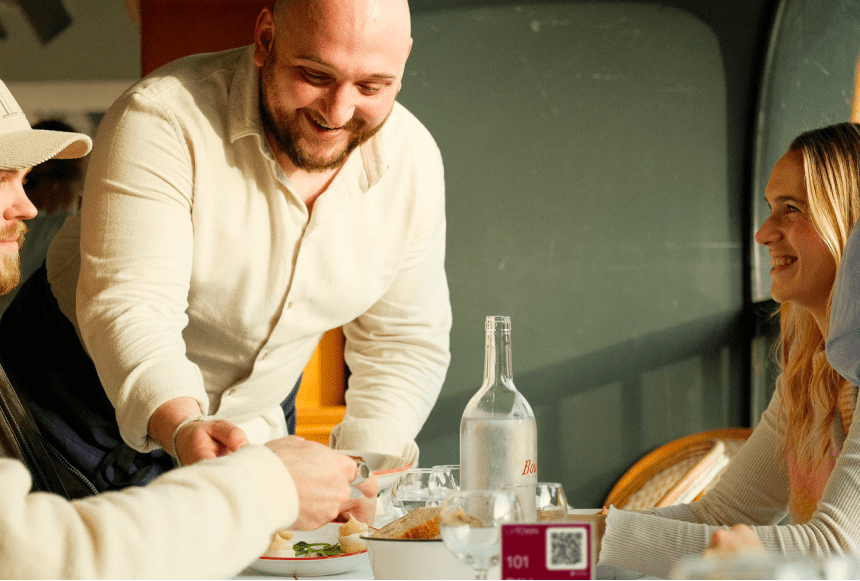
All this talk about automation, digital payments, and QR codes might spark a concern that you’ll lose the personal aspect of hospitality. Fear not: a streamlined payment process actually carves out more space for the human touch—the genuine smiles, the witty banter, the special recommendations. Because you’re cutting out menial tasks, you gain more bandwidth to really connect with the people you’re serving.
At the end of the day, restaurants are about more than just food. They’re about community, relationships, celebrating moments big and small. A frictionless payment experience ensures that the final note resonates with a sense of ease, comfort, and satisfaction—all reflecting the spirit of true hospitality.
14. Frequently Asked Questions (FAQ)
What is payment friction?
Payment friction refers to any element in the billing and settlement process that causes delays or confusion for the customer. Examples include waiting too long for a payment terminal to arrive, multiple steps to confirm a transaction, or unclear instructions on how to leave a tip.
How do contactless and mobile solutions help my restaurant in the UK?
Contactless and mobile solutions streamline transactions, reduce queue times, and eliminate the need for physically exchanging cards or cash. In the UK, they are widely embraced by consumers, making it easier for your customers to pay swiftly and securely—thus improving their overall dining experience.
Will focusing on payment technology reduce personal interaction with diners?
On the contrary. By removing repetitive tasks like running after the card machine or printing receipts, staff have more time to engage diners in conversations and provide tailored recommendations. This strikes a balance between efficiency and the warm, personal connection that makes a restaurant memorable.
How can I ensure data security with digital payments?
Choose a reputable payment solution that complies with relevant data protection regulations. Always look for providers following Payment Card Industry Data Security Standard (PCI DSS) guidelines and robust encryption. Ensuring compliance protects your business and maintains customer trust.
Do digital solutions really help increase tips?
Yes, digital solutions often offer a user-friendly interface where a tip option is immediately visible and easy to add. This gentle nudge can boost tip amounts, as diners are more likely to reward good service when presented with simple tipping prompts.
Cutting payment friction is an ongoing journey—as restaurant owners, you have the flexibility to adapt, experiment, and refine until you find what truly elevates your business. Minimising friction builds loyalty even when footfall takes a tumble. Ultimately, by making innovation a part of your culture, you keep your doors open and your tables welcoming, ready for the next wave of diners.


 1min
1min