A Fresh Look at Post-Festive Sales Figures to Strengthen Your Payment Approach
January’s restaurant sales can feel like a roller coaster, especially after the holiday season. Paying close attention to your payment methods during this period can reveal critical insights. Shifting habits, like cashless transactions or QR code payments, influence overall turnover and tipping behaviour. Diners often expect quick, flexible options to settle the bill, and slow processes can harm the guest experience. By analysing January data, owners gain clarity on operational inefficiencies and missed opportunities. Streamlining payment solutions can help stabilise revenue and build enduring guest loyalty.
1. Why January Is a Unique Performance Barometer
If you’re a restaurant owner, January often feels like a stark contrast to the frenzy of December festivities. It’s calm enough to assess your daily takings, cost margins, and whether your payment processes are helping or hindering your revenue goals. But what makes January so special?
In December, profits might soar, but speed matters above all: servers hustle, lines form at the card machine, and few staff members have time to dwell on inefficiencies. Then comes January. With lighter footfall, each transaction becomes more noticeable. Every time a server rummages for the correct bill, or guests wait in line to pay, you can’t help but spot the friction. This temporary “pause” offers a golden opportunity to interrogate your payment methods, uncover hidden bottlenecks, and adapt.
This is also when new consumer behaviour emerges. According to basic trends observed by the Office for National Statistics (ONS), foot traffic and household spending patterns can drastically shift post-Christmas, with costing priorities changing as people settle back into routine. So if your January data points to fewer card transactions or even changes in tipping percentage, harness these insights to fine-tune how you accept payments during the rest of the year.
2. Reading Between the Lines of Your January Figures
Even if your January revenue dips, the underlying information can be priceless. Let’s walk through what you might examine in your data:
- Duration of Payment Sessions: How long does it take customers from asking for the bill to being fully settled?
- Preferred Payment Methods: Are diners tending to use contactless, chip and PIN, mobile wallets, or scanning a QR code at the table?
- Number of Abandoned Transactions: Any pattern where diners abandon their attempt to order extras (like dessert) or leave abruptly because paying took too long?
- Average Tip Percentage: Do customers tip more or less in January? This might reflect how seamless, or not, the payment process feels.
- Review Activity: Did you see a surge (or drop) in online feedback, particularly referencing bill-splitting or payment speed issues?
When you spot weaknesses—like a complex bill-splitting process or consistent server confusion—January’s smaller volume of transactions can help you implement changes without the stress of a holiday crowd. Furthermore, you can test new payment solutions, staff training, or special offers. Many owners find that a calm month is the perfect time to re-evaluate how guests move from the last bite to that final goodbye.
3. The Cost of Outdated Payment Processes
Just as an overcooked steak leaves a bitter aftertaste, outdated payment systems can turn a delicious dining experience into a frustrating affair. If your data reveals that guests are waiting several minutes to pay, or that staff are juggling multiple devices at once, it might be time for a refresh.
Long queues at the card machine can discourage add-on purchases, such as that extra coffee or dessert. And by the time someone in your team has wrestled with a clunky card reader, you may have lost out on a potential tip. These inefficiencies can also hamper your brand’s reputation over time—just a few negative online reviews can colour a future guest’s impression of your restaurant.
What are the tangible costs? Well, imagine you serve about 50 tables on a typical January weekday, and let’s say 10% of them skip a possible dessert purchase because they’re anxious about the queue to pay. Multiply that by 31 days, and your monthly losses can quickly pile up. While it’s an oversimplified sketch, it illustrates the trickle effect of a cumbersome payment process.
4. Key Innovations Boosting Revenue and Efficiency
If you’ve glimpsed some concerning figures in your January data—like dips in average spend or lower tip percentages—fear not. The hospitality sector has pivoted drastically in the last few years, and new payment solutions are ready to bring you back on track.
Here are a few payment approaches that have grown popular in UK restaurants:
- Contactless and Mobile Wallets: Rapid, easy, and increasingly popular among guests who are used to “tap and go” at supermarkets. The convenience means fewer staff interactions for the final transaction, freeing your team to focus on service and upselling.
- QR Code Payments: A seamless method where diners view the bill on their phone, split costs with friends, and even leave a tip digitally. QR codes are quickly becoming an industry standard; they help avoid the dreaded “who pays what?” scenario.
- POS Integration: A fully integrated point-of-sale system that coordinates orders, inventory, and payments. This approach often minimises manual entry, significantly reducing errors and saving your staff from double work.
- Flexible Tipping Options: Whether automatically prompted on a digital device or easily adjusted by the guest, visible tipping options can incentivise customers to round up, supporting staff morale and compensation.
Embracing these innovations doesn’t mean burning your current processes to the ground. A gradual shift can be more strategic—especially in the quieter months. Plus, the more accessible and direct your payment methods, the quicker tables can turn. This sets you up to better handle the eventual spikes in business that come with Easter, summer holidays, and beyond.
5. Nurturing Loyalty Through Convenient Payment Experiences
Yes, the food is what draws people in, but a smooth payment experience can greatly influence whether they return or recommend you to their friends. In fact, you might notice in your January data that many first-time guests do not come back if they encounter friction at the end of their meal.
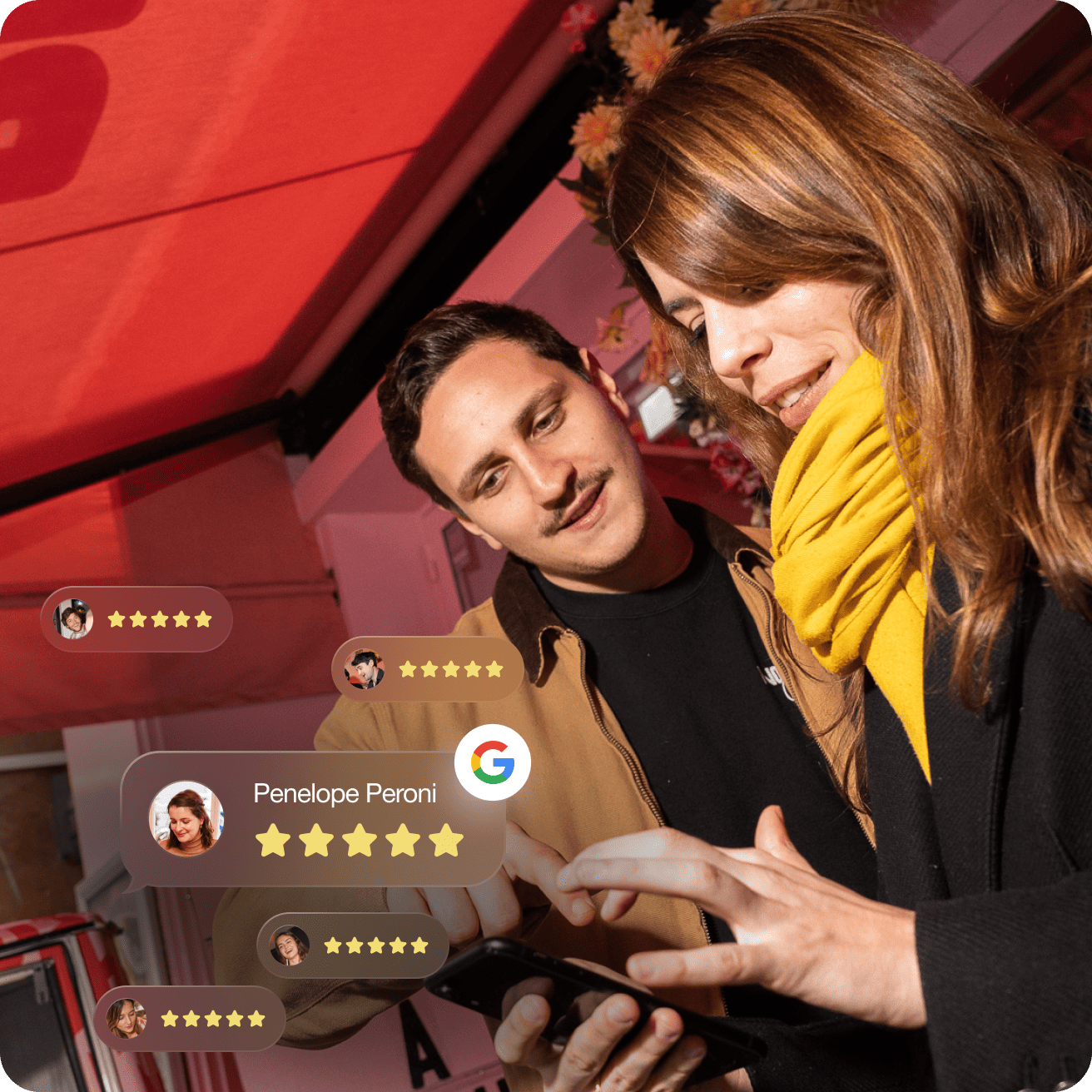
On the flip side, offering a frictionless payment system—like scanning a QR code at the table—turns one-time diners into regulars. People appreciate not having to flag down a server or shuffle through pockets for cash. They also like the extra time to relax, share feedback, or leave a tip if your system invites it. For instance, solutions such as sunday let guests pay at their convenience, speeding up table turnover while improving the guest experience.
It’s worth noting that in a fiercely competitive market, a fractionally easier checkout process can be the difference between your place and the restaurant next door. Especially when your guests are short on time—perhaps they’re grabbing lunch during a work break—any friction at the end may dampen their overall perception of your restaurant.
6. Leveraging Customer Reviews and Feedback to Validate Your Findings
Data from your sales reports is crucial, but it doesn’t tell the full story. If you suspect January highlights a payment friction point, validate it by checking reviews or sending out a quick survey. Perhaps you’ll notice something like:
- A consistent mention of the time it took to pay.
- Suggestions that splitting the bill was awkward or time-consuming.
- A lower star rating if the reviewer had to wait to be noticed by staff.
Use these observations to refine your approach. If you introduce a new digital payment option, you might want to follow it with a gentle update: “We’ve recently implemented table-side QR codes for faster checkout. Let us know how you find it!” Encouraging guests to give feedback keeps them in the loop and makes your restaurant feel more personable.
Online platforms, like Google Reviews, are excellent for public feedback. You can also glean private insights from your mailing list or loyalty programmes. A short, friendly questionnaire that addresses key concerns (“How would you rate your payment experience today?”) can reveal precisely where your new approach is making or missing the mark.
7. Revisiting Staff Training: People Power Behind the Technology
Even the best payment solution can falter if your team isn’t confident in using it. Take advantage of January’s calmer days to run staff training sessions. That might mean:
- Teaching servers how to help guests use QR code-based payments on their phones.
- Ensuring managers can quickly resolve any payment errors or complications on an integrated POS.
- Encouraging front-of-house staff to mention tipping options politely, highlighting how easy it is to leave a gratuity.
Staff who embrace innovation often appreciate the reduction in manual tasks and the improved tipping rates. However, it’s important to keep training interactive and understandable, steering clear of complicated jargon or drawn-out theoretical sessions. Offer hands-on practice, let staff try the payment methods as if they were guests, and focus on practical scenarios.
When your team feels confident, that confidence transfers to the diner’s experience. A friendly mention like, “We have a handy QR code if you’d like to pay straight from your phone—shall I show you?” can dissolve any reluctance or confusion.
8. Mapping Out Your Loyalty Arsenal: Coupons, Discounts & Digital Receipts
With fewer customers in January, you may see your promotional efforts amplify in importance. Payment solutions can often be tied to loyalty strategies that keep diners coming back. For example:
- Digital Receipts with Offers: Instead of printing a paper slip which guests might lose, consider sending an e-receipt that includes a discount code for their next visit.
- Automatic Loyalty Points: Integrated systems allow customers to accumulate points each time they pay. This encourages repeat business and can increase word-of-mouth recommendations, especially if they can redeem points for freebies.
- Personalised Promotions: Some advanced payment solutions track spending habits, making it simpler to offer tailored promotions—like discounted appetisers if your data reveals that portion of sales is lagging.
While it might be tempting to hold off on loyalty programmes until busier months, January gives you space to experiment, gather feedback from your regulars, and fine-tune the process. When your data in January indicates a drop in certain categories (desserts, wine, etc.), a targeted special offer can revive those segments.
9. A Quick Comparison of Payment Options
Before making a final decision on how to upgrade your payment setup, it’s helpful to see at a glance your main options. Below is a simple comparison table. The metrics are purely indicative and can vary widely depending on your provider and location:
| Payment Method |
Speed |
User Convenience |
Potential For Tipping |
| Traditional Card Reader |
Moderate (staff must bring the machine to the table) |
High (familiar method) |
Medium (sometimes overlooked if guests feel rushed) |
| Contactless |
Fast (tap-and-go) |
High (widespread in the UK) |
Varies (tipping prompts are not always visible) |
| QR Code at the Table |
Very Fast (guests pay whenever ready) |
High (smartphones are ubiquitous) |
Higher (well-placed prompts encourage tipping) |
| Mobile Wallets (e.g. Apple Pay) |
Fast (similar to contactless) |
Very High (secure and easy) |
Varies (depends on how tips are prompted) |
Each option carries its own advantages, but a hybrid approach often works best. Many UK establishments now offer at least two methods: contactless or mobile wallet for quick checks, plus table-side QR codes for a more leisurely experience. This strategy covers a range of preferences and speeds up payment times.
10. Monitoring the Impact of Changes Over Time
Changing your payment setup isn’t a one-time affair. You’ll want to keep track of performance, guest feedback, and staff satisfaction. A few practical steps to measure impact:
- Gather Baseline Data: Note your January metrics (time to pay, average transaction value, tip percentage) before rolling out any major changes.
- Introduce Changes Gradually: Make slight alterations, such as implementing QR codes for certain tables or certain peak hours first. Observe how guests and staff respond.
- Analyse Post-Implementation Figures: Compare new data to your baseline. Have transaction times shrunk? Are more guests leaving online reviews or tips?
- Solicit Staff Input: Hold short weekly check-ins to see if staff find the new system easy and if they notice any recurring guest issues.
- Adjust and Optimise: If something isn’t looking positive—maybe you’re still seeing lower tips—pinpoint the root cause and refine your approach.
This measurement loop is especially relevant after January, as foot traffic creeps back up. If you introduced a system in a quiet period, your next real test is the wave of spring or summer diners. Strategically, this means you’ll already have refined your processes before the crowds return.
11. The Warm Glow of Transparency: Showing Respect through Payment Clarity
From the second your menu is handed to a guest, you’re building a relationship of trust. By the end of the meal, your responsibility is to provide a transparent, fair, and user-friendly payment experience. When people feel secure and informed, they’re far more likely to become repeat guests.
Transparency can manifest in multiple ways:
- Clear Price Breakdown: Let guests see the itemised bill easily, whether on paper or on their phone, with taxes or service charges spelled out and not hidden.
- Upfront Tipping Policy: If you have a recommended service charge, ensure customers know they can adjust it or tip freely, removing any awkwardness.
- Safe Data Handling: Digital payments should follow UK regulations on data protection. Assure diners that their card details or personal data won’t be misused.
A trustworthy experience leads to positive word-of-mouth—one of the most powerful marketing tools for restaurateurs. With the competition so fierce, especially in urban centres, any chance to build genuine customer loyalty is a golden opportunity.
12. Making the Most of January Reflections
January can be revealing, but it doesn’t have to be grim. Think of it as an annual check-up, where your restaurant’s vital signs—especially those around payment—come into sharper focus. By leaning into those insights, you are better positioned to:
- Reduce inefficiencies and streamline staff operations.
- Enhance the diner’s experience through modern, flexible payment solutions.
- Boost your restaurant’s reputation as a user-focused venue, with no hidden tricks.
- Lay the groundwork for stronger profits as the year progresses.
Embracing technology that reduces friction can also mitigate the challenges of staff shortages, as you might need fewer people rushing around with card machines. Customers will remember that sense of ease—a final flourish of hospitality that frames their entire meal in a warm glow.
Now you can take advantage of the insights gleaned from what might otherwise be viewed as a slow, lacklustre month. By examining your sales data, you can pinpoint the exact improvements needed to not only survive the January slump but thrive for the rest of the year.
Frequently Asked Questions (FAQ)
How can I gather reliable payment data for January?
Even if your point-of-sale system currently isn’t as robust as you’d like, you can still collect insights by tracking transaction times, payment mix (contactless vs. chip and PIN vs. QR code), and staff feedback. If you’re switching to a more integrated system, you’ll likely gain deeper and more organised data sets.
Won’t new payment systems confuse or frustrate my older guests?
An inclusive approach matters. Where possible, offer both a technological solution—like scanning a QR code—and a more familiar method, such as chip and PIN. Train staff to assist with new methods gently, providing reassurance that traditional options remain available.
Is there a specific month or season that’s better for rolling out changes?
January is often ideal due to lower footfall, which means staff have the bandwidth to learn and adapt. That said, any lull in your annual calendar can be an opportune time to test new payment systems before busier periods.
How can better payment solutions drive tip increases?
Transparent, user-friendly payment methods encourage impulsive generosity. When a guest seamlessly shops an online menu, sees a recommended tip, and only needs a quick tap or button press to confirm, the psychological barrier to tipping is much lower.
Which payment methods should I prioritise first?
Scan your January data to see which methods dominate currently. If a high percentage of your guests already use contactless or mobile wallets, focus on upgrading those experiences. Or, if bill-splitting nightmares pop up in reviews, explore a QR code solution that solves that issue directly.


 1min
1min