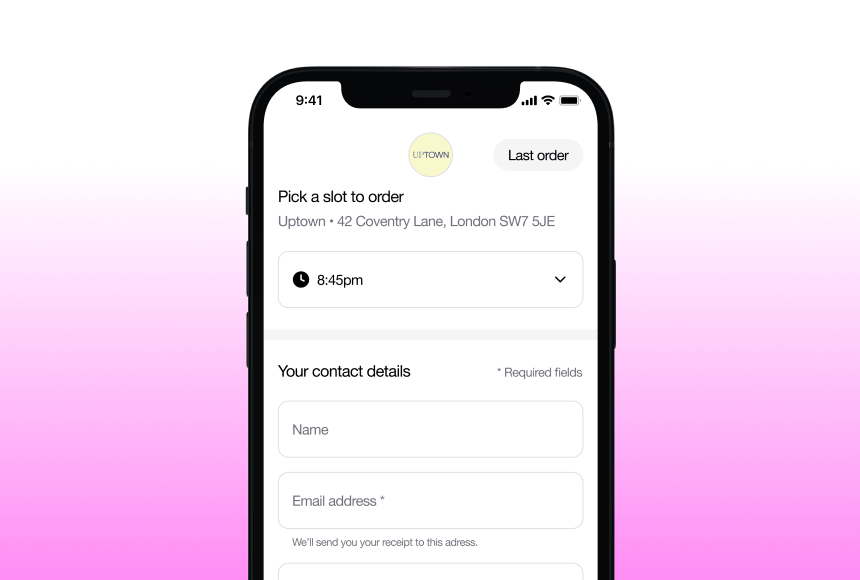
How to Master Your Pickup Schedule and Slash Food Waste
Restaurant owners often grapple with curbside pickup and takeaway queues that can lead to hasty cooking, wasted ingredients, and unhappy customers. An intelligent pickup slot system helps you pace orders, anticipate peak demand, and prevent overproduction. By aligning kitchen workflows with realistic timeframes and reliably gauging volume, you reduce stress for your team and cut costs associated with unsold items. Adopting digital tools and using real-time data further streamline scheduling, while staff trained in flexible planning keep operations on track. Ultimately, well-managed pickup slots enhance customer satisfaction, boost your bottom line, and help you do your bit for the environment.
1. Understanding the True Cost of Disorganised Pickup
Imagine you’re in the midst of a busy Friday evening, with phones ringing, online orders pinging, and in-house diners waiting to pay. Now add pickup customers trickling in at unpredictable times. When staff don’t know how many takeaway orders are queued for the same 19:00-19:15 slot, you end up with too little or too much prepared. This leads to rushed cooking, mismatched portioning, or worse, leftover dishes that can’t be reused.
In the UK, approximately 9.5 million tonnes of food are wasted each year, according to WRAP. While not all of this comes from restaurants, commercial kitchens certainly account for a significant portion. For restaurant owners, disorganised pickup times create extra waste and missed profit opportunities. Let’s face it: no chef likes tossing perfectly good food in the bin, especially when it represents lost income.
Strained employees, chaotic kitchens, discarded meals—these are signs that your pickup scheduling may need an overhaul. And that’s where structured pickup slots can truly save the day, boosting both efficiency and customer satisfaction.
2. Pinpointing Peak Demand
Every restaurant has its busy spells, be it weekend brunch or midweek lunch rush. Recognising these patterns is the foundation for setting pickup slots that minimise waste. When you know that Tuesday lunchtimes have a mild flow, for instance, you don’t need a dozen pickup windows crowding the schedule. Conversely, if Sunday afternoons practically blow the lid off your ovens, you’ll want narrower, more frequent slots to stagger arrivals and balance cooking volumes.
How do you identify these patterns? Simple: dig into your sales reports, monitor online ordering analytics, and take note of when your team feels overextended. Does your head bartender barely catch a breath between 6 pm and 7 pm on Thursdays? Mark it down. Data is your friend, and even straightforward spreadsheets can highlight your biggest order spikes.
- Use historical data: Start with the average number of takeaway orders per hour.
- Factor in seasonality: Warmer months often bring more cold drinks, ice cream, or light salads, influencing how quickly meals are produced and how many drivers or customers show up for pickup.
- Listen to staff: Your servers, chefs, and cashier team have eyes on the ground. They know that certain times of day are a scramble.
By identifying peak demand, you can determine time blocks that work best for your establishment’s unique rhythm. These blocks become the basis for more refined pickup slots that keep your workload manageable—minimising waste and ensuring customers’ expectations are met.
3. Crafting an Efficient Pickup Slot System
Once you’ve got a handle on when your customers typically place orders, it’s time to create the structure that makes each pickup slot shine. Think of it as layering a perfect lasagne: each level must complement the others to produce a cohesive whole. Here’s how to assemble the layers of your pickup slot system:
3.1 Determining Slot Length and Capacity
The first layer is the slot length. Many restaurants find that 15-minute intervals give them just enough breathing room, but it’s not a one-size-fits-all approach. If you’re running a small sandwich shop, 10-minute blocks may suffice. For establishments with lengthy cooking times or intricate plating, 20- to 30-minute windows might be necessary.
At each interval, limit the maximum number of pickup orders you accept—this could be five orders or ten, depending on kitchen capacity. This maximum ensures you don’t overload the line and keeps the team calm under pressure.
- Consider prep times: The more complex your menu, the more generous your slot intervals should be.
- Build in buffer: Leave wiggle room for spillover and the occasional late order.
- Aim for consistency: Customers appreciate knowing their order won’t be rushed. Predictable slot sizes help with that.
3.2 Spreading Out the Rush
Next, consciously offset your peak times. If your dine-in crowd flocks in at 7 pm, you might want to shift your biggest pickup slot to 7:15 or 7:30. This allows the kitchen to serve in-house diners first, then handle pickups once the initial flurry of plating has calmed down. If you serve a speciality dish that requires more time to prepare, you can create one or two designated slots when it’s most efficient to cook that dish in bulk.
Keep in mind that small adjustments go a long way. Even a 15-minute offset can prevent cross-traffic that disrupts service. For example, you might find it simpler to schedule pickups at 6:45 pm and 7:15 pm, rather than 7 pm and 7:30 pm, giving your team time to handle each wave before the next hits.
3.3 Adapting to Real-Time Conditions
Another key tactic is dynamic slot management—when you can modify pickup slots on the fly based on real-time conditions. If you’re using an online ordering system or an EPOS that tracks each ticket’s progress, you can slow the slot availability if your chef is short-staffed or has fallen behind schedule.
- Adjust in real-time: If the kitchen is overwhelmed, reduce the number of available slots in the next hour to allow a catch-up.
- Communicate changes: Make sure staff explains to customers why the next available pickup time might be pushed by ten minutes.
- Merge or split slots: If demand spikes or drops, you can adjust the timing to avoid creating staff downtime or overwork.
With thoughtful scheduling, you’re not only preventing food waste but also cutting the risk of unhappy customers waiting longer than expected.
4. Preventing Waste Before It Starts
Deciding how to pace your pickups is only half the battle. To truly reduce waste, you must tackle the roots. Overproduction, misjudged portioning, and last-minute changes in orders can all spoil your efforts if not strategically managed.
4.1 Perfecting Your Prep Strategy
Like a well-orchestrated cooking competition on TV, efficient prep is all about timing and portion control. Once you know your likely volume in each slot, you can prepare exactly what you need—no more, no less. This might involve:
- Pre-portioning core ingredients: Weigh or count portions in advance so your staff can quickly assemble orders without over-scooping.
- Batch cooking certain items: Soups, sauces, and base elements can be made in a controlled quantity and reheated if necessary.
- Clearly labelling items: Mark containers with use-by times, so you know precisely when to discard or repurpose a batch.
The clearer your organisation, the more you’ll reduce the chance of expired ingredients. The outcome? Fresher meals and less waste.
4.2 Adapting the Menu
Your menu itself can encourage or undermine your waste management efforts. A sprawling menu, featuring dishes that each require different specialised ingredients, risks leftover produce at the end of the day. Think about streamlining your options or introducing daily specials that use up produce nearing its end date. When each item on the menu is well-integrated into your supply chain, you cut the likelihood of unsellable scraps.
Moreover, highlight any dishes that require advanced notice—like large roasts or custom cakes—so your customers must order them well in advance. This clarifies your scheduling and preserves precious ingredients that might otherwise go unused.
4.3 Encouraging Earlier Orders
To reduce last-minute chaos, you might incentivise customers to place orders earlier in the day. Offer a small discount for orders secured before 4 pm, for instance. Not only does this help you predict volume, but it also spreads out the prep workload so that the evening shift isn’t overwhelmed.
With a well-implemented pickup slot strategy, plus initiatives to encourage earlier ordering, you’re giving your entire operation a smoother flow. Coupled with thoughtful ingredient management, these steps reduce the margin for error and leftover meals.
5. Training Your Team to Manage Pickup Slots
Remember, even the best scheduling strategy can fail if your team doesn’t buy into the system. A strong sense of ownership from your head chef down to your newest server is crucial. Here’s how to train them effectively:
- Explain the “Why”: Show how wasted food impacts finances, morale, and the environment.
- Give hands-on training: Walk through the POS software or scheduling tool step by step. Let them practice adjusting slots, adding manual overrides, or pausing new orders.
- Run trial periods: Roll out structured pickup slots during quieter times, gather feedback, refine, then expand to busier periods.
- Reward success: Celebrate your team’s consistency and reduce blame for honest mistakes. A positive environment fosters better adoption.
Chefs who see the system working will appreciate the calmer pace. Servers who don’t have to juggle multiple late arrivals will breathe a sigh of relief. Gradually, your staff will feel more confident in upselling or cross-selling when they know their prep station isn’t about to blow a fuse.
6. Harnessing Digital Technologies for a Waste-Free Schedule
Modern technology makes structuring pickup slots easier than ever. By using an online ordering platform with scheduling features, or by integrating dynamic inventory management tools, you can optimise your workflow down to the minute.
Bear in mind a few best practices to get the most out of your tech stack:
- Automatic capacity capping: Let your system automatically reduce available pickup slots when the kitchen hits a predefined limit.
- Real-time alerts: Notify your cooking staff when large or unusual orders come in, so they can prep accordingly.
- Order tracking: Provide your customers with live updates, which also decreases the chance of them showing up too early or too late.
Meanwhile, payment solutions like sunday remove friction at the checkout stage—when the order is ready, your customers can simply scan a QR code, pay securely on their phone, and even leave a tip. That means less back-and-forth for your servers handling takeaway payments. In some setups, diners can also receive a reminder to share a Google review if they’ve enjoyed a quick, hassle-free pickup. That extra nudge heightens your online reputation, attracting even more new customers.
For progressive operators, combining advanced scheduling with flexible online payments elevates customer experiences and ensures oyur team doesn’t spend valuable time chasing orders or printing endless receipts.
7. Real-Life Inspirations
It’s nice to step out of theory and into actual success stories. Across the UK, many restaurateurs have rethought their pickup processes, tackling food waste head-on. Here are two scenarios worth considering:
- The Coastal Fish and Chips Shop: A small takeaway spot by the sea discovered that the majority of orders peaked every Friday between 6 pm and 7 pm. By limiting time slots to six pickups per 15-minute window, they reduced their post-shift leftover fish fillets by 50%. Their staff also reported feeling less tension in the kitchen.
- A Patisserie in Central London: Known for their intricately decorated pastries, they used to overproduce approximately 20% of their daily stock to keep up with unpredictable evening pickups. By implementing pre-orders for popular pastries and restricting slot availability in short bursts, they ended the day with nearly no unsold items. Their head pastry chef said it was “like finding a new ingredient for controlling daily costs.”
Efficient scheduling helps align your staff’s efforts with real customer demand. Not only does it shrink waste, it also gives you more confidence to expand your menu or offer limited-edition specials without fear of overcooking.
8. Practical Guide: Step-by-Step Implementation
Interested in rolling out a well-structured pickup slot system tomorrow? Here’s a quick plan to get the dough rising:
- Analyse Your Data – Review your sales analytics to find the busiest times. If you don’t have digital records, have your team note order volumes by hand for a few weeks.
- Choose Slot Length – Set intervals (10, 15, or 30 minutes) that reflect your menu, kitchen size, and typical cooking times.
- Set a Maximum per Slot – Decide how many orders you can handle in a single block without compromising quality.
- Integrate Technology – Use online ordering or EPOS features that allow you to display only the next available slot to customers. If your system doesn’t include scheduling, consider adding one that does.
- Train Your Team – Provide a brief but clear session on entering and managing pickups in the system, emphasising the benefits of calm, organised service.
- Soft Launch – Start on a slower day. Observe how the new system affects foot traffic, cooking times, and leftover items.
- Gather Feedback – Ask staff and a few loyal customers for suggestions. Have they noticed shorter wait times? Are they less rushed?
- Refine and Expand – Adjust intervals, maximum numbers, or pickup times based on feedback. Then roll out the system for peak hours.
Keep an eye on your ingredient consumption and daily waste levels. If the system is working, you’ll notice consistent demand matched with just-right portions and a smoother pace in the kitchen.
9. Putting It All Together: Balancing Operations, Customers, and Sustainability
Restructuring your pickup slots might sound like a lot of work, but the payoff is enormous. You reduce overheads by using ingredients more efficiently, and you develop a more relaxed atmosphere where staff can thrive. At the same time, your customers enjoy reliable service and well-prepared meals without the dreaded wait.
More significantly, structured pickups foster a culture of sustainability. Studies suggest up to a third of global food is wasted, according to The Guardian. By rethinking your approach, you address a local piece of a global crisis. Whether you run a small café or a multi-site chain, every step that minimises waste brings economic, social, and environmental rewards.
Remember, you can lean on practical solutions such as sunday, which speeds up the payment process. By integrating a QR code payment approach, you ensure customers spend less time waiting around, freeing your team to focus on what matters: crafting top-notch meals in the right quantity, at the right time.
FAQ: Your Key Questions Answered
How do I accurately forecast demand for each pickup slot?
Examine historical sales data, online ordering behaviours, and your staff’s observations. Pay special attention to time-of-day and day-of-week trends. Over time, you’ll see patterns that guide how many slots you should open in each interval.
What if I receive unexpected walk-in orders outside of the scheduled pickups?
Factor a buffer into your slots to handle walk-ins. If the volume of surprise orders is high, you can adjust capacity for scheduled pickups in real time, ensuring your team doesn’t get overwhelmed.
My customers sometimes run late or show up too early—doesn’t that ruin my schedule?
Communicate each pickup window clearly online and in your confirmation messages. Use an online ordering system that automatically reminds customers of their pickup time. Let your staff know to be flexible but consistent in explaining any waiting period to early arrivals.
How can I encourage customers to pre-order earlier, so I’m not caught off-guard?
Offer incentives such as a small price reduction for advance orders, a priority pickup lane, or a loyalty programme that recognises early-bird patrons. These perks help shape your customers’ behaviour in beneficial ways.
Where does a solution like sunday fit into all this?
After orders are placed, sunday’s QR code payment makes final transactions quick and seamless, especially in a busy takeaway environment. Customers settle their bills on their phone, leave a tip, and possibly post a Google review. Meanwhile, your staff can stay focused on managing the flow of pickups—saving time and trimming distractions.


 1min
1min