Restaurant toolkit
23 December 2025


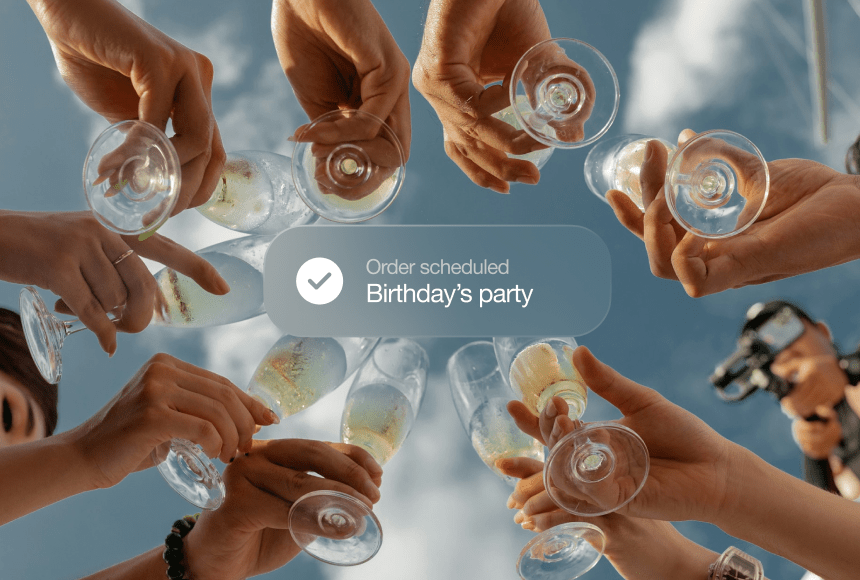
Once the decorations come down and staff return to their routines, many offices look for ways to reignite team morale and settle back into normal operations. One of the easiest methods? Food. Whether it’s a team lunch to debrief on holiday stories or frequent coffee breaks to combat the winter slump, food service becomes a focal point for socialising and productivity.
But there’s a difference between an occasional midweek treat and a full-blown dining rush. In January, as well as other months that follow festive events, office managers and employees find themselves juggling deadlines, cold weather, and tight budgets. Well-planned group catering through pre-orders allows them to stay productive. Those corporate lunches, quick breakfasts, and end-of-day snacks can be seamlessly prepared if you’re ready for their orders in advance.
According to Statista (source), a growing number of UK consumers appreciate being able to schedule meals beforehand to avoid queuing or stressing about availability. Offices are capitalising on this trend, especially in busy periods following major holidays. If your restaurant is in a location surrounded by office buildings, offering a structured pre-order programme can turn you into the go-to lunch spot.
In a world where efficiency rules, restaurants benefit enormously from having reliable systems to anticipate incoming orders. After the holiday period, when foot traffic can fluctuate wildly, pre-orders help you navigate potential chaos with:
Office staff often have strict lunch breaks, usually between 30 minutes and one hour. Any extra minute they spend queueing for a meal can cause stress. Through pre-orders, your kitchen knows precisely what to produce, and how to organise service to maximise speed without compromising on taste or presentation.
Some restaurants even use special pre-order menus, giving offices a curated list of items that can be prepared swiftly in bulk. This not only streamlines the cooking process but also cements a reputation for reliability and convenience.
It’s not just about saving time. Office culture has a backdrop of tight schedules and, sometimes, even stricter corporate budgets. Organising a team lunch or a managerial meeting meal involves multiple preferences, dietary restrictions, and deadlines. By providing a one-stop pre-order solution, restaurants place themselves at the heart of team-building and productivity.
In many modern workplaces, group catering is used for:
Now imagine an administrative assistant tasked with ordering lunch for a departmental meeting of 20 people. A pre-order system that allows them to see options, specify dietary requests (vegan, gluten-free, dairy-free, etc.), and set a precise time for pickup or delivery is a lifesaver.
Besides, workplaces love consistency. Nailing a big group lunch once means they’ll likely come back—often with more frequent requests. By nailing efficient pre-orders, you’re essentially winning a new loyal audience.
Not every restaurant is designed the same way. Some are quick-service cafés, while others are gourmet bistros offering a plated lunch experience. Regardless of where you fall on the spectrum, integrating pre-orders requires careful planning in these areas:
A pre-order system thrives on clarity. Office clients need to know exactly what they can order, how much it costs, and how long it will take to prepare. Whether you’re using an online form, an ordering platform, or direct email communication, lay out the menu in a concise manner:
Keep the language straightforward, avoiding overly technical terms. If an item is labelled something fancy, add a short description so that the office manager or employee tasked with ordering understands what they’re getting.
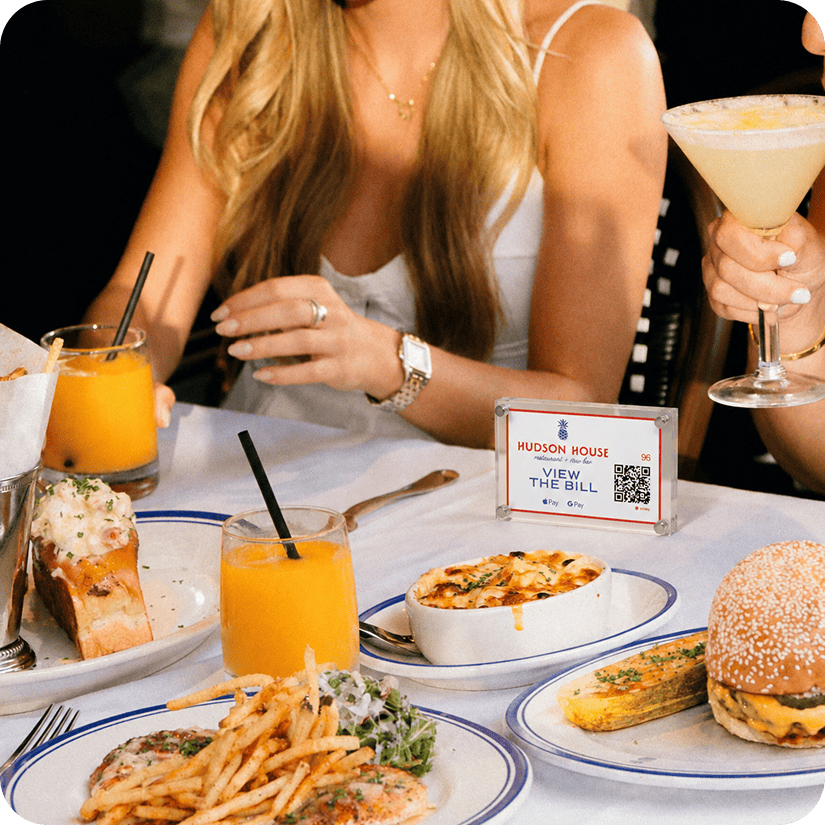
The last thing busy office managers want is confusion at the point of payment. By offering streamlined options such as bank card payment terminals or digital payment solutions—like scanning a QR code at the table—you reduce friction. This is particularly helpful when staff pool contributions for a large group meal, or when a single corporate card covers everything.
Paying via a QR code not only speeds up transactions but also reduces queues, a key benefit during fast-paced lunch hours. Modern solutions, such as those provided by sunday—where guests can simply scan a table QR code, tip digitally, and even leave a Google review—offer a real advantage. Whether the order is consumed on-site or picked up as takeaway, digital convenience speaks volumes about your efficiency.
Every restaurant experiences the occasional glitch: an order that gets lost in the shuffle or a sudden rush that overwhelms the staff. Pre-orders can be your secret weapon for smoothing out these bottlenecks if you clearly align your kitchen on the schedule.
Building a reliable schedule often involves setting designated “blocks” for office meal pickups or deliveries. For instance:
Such time blocks help your kitchen structure the cooking process in waves, preventing last-minute chaos. Pre-orders also spare your staff from the unpredictability of walk-in traffic alone. While you can’t forecast every diner’s choice, having a portion of the orders locked in helps you maintain an even workflow.
Efficient pre-orders hinge on setting clear expectations. If your restaurant only allows group orders minimum of 10 items, or if you need 24 hours’ notice for certain dishes, communicate that upfront. Transparency fosters a sense of trust and prevents the disappointment of last-minute changes.
Regularly updating your pre-order offerings in line with seasonal ingredients or holiday-themed menus can maintain excitement. Office workers often appreciate variety and forward planning: for instance, launching a “New Year’s Wellness Menu” in January or a “Comfort Classics” selection during colder months grabs attention and encourages repeat orders.
To see how pre-orders can truly transform a restaurant’s relationship with office clientele, let’s walk through a hypothetical scenario. Imagine a neighbourhood Italian restaurant called “Bella Cucina” that sits a short distance from several corporate offices. Before introducing pre-orders, Bella Cucina struggled with an unpredictable lunch rush:
After implementing a well-advertised pre-order system, Bella Cucina found that many office groups began planning their lunches at least a day in advance. This shift brought immediate improvements:
Meanwhile, the restaurant took it a step further by layering convenience: they introduced an option to pay directly from each table, using a digital QR code. This caught the attention of office workers who prefer quick transactions, and they began visiting Bella Cucina even off the clock for dine-in experiences, boosting overall foot traffic.
Whether you run a café, a gastro-pub, or a quick-service spot, the key takeaway is this: offices love restaurants that take the guesswork out of midday meals. By blending menu clarity, advanced ordering systems, and flexible payment options, you amplify both customer satisfaction and your bottom line.
How many days in advance should restaurants accept pre-orders from offices?
It depends on your capacity and the complexity of your menu. Some establishments can handle same-day pre-orders with as little as two or three hours’ notice, while others prefer at least 24 hours to ensure smooth service. Being upfront about your minimum lead time is crucial for managing client expectations and keeping your kitchen calm.
How can pre-orders be adapted for small or independent restaurants?
Independent restaurants can start small by offering a limited menu exclusively for pre-orders. A simple spreadsheet or online form can work initially, as long as each order is confirmed promptly. Over time, you can invest in integrated digital solutions that automate much of the process, especially as your customer base expands.
Does accepting pre-orders limit my flexibility for walk-in customers?
Not necessarily. You can reserve a portion of your kitchen resources for pre-orders while leaving enough room to accommodate walk-ins. Clear scheduling and reliable staffing are key. By balancing guaranteed orders with walk-in capacity, you maintain spontaneity while benefiting from predictable sales.
Is it expensive to set up a digital payment or QR code ordering system?
Costs vary, but many solutions offer flexible plans that scale with your needs. A system like sunday naturally fits into a pre-order approach. Guests appreciate the simplicity of scanning a QR code, paying instantly, and leaving a tip or review. In many cases, the time saved and increased customer satisfaction far outweigh the investment in digital infrastructure.
How do I handle special dietary requests within office pre-orders?
List out clear labels for each menu item (vegan, vegetarian, gluten-free, etc.) so that office managers know at a glance which items to choose. Encourage them to specify any allergy concerns during the ordering process. By building an easy, customisable form, you’ll prevent last-minute changes and ensure everyone gets a meal they can enjoy.
Can offering pre-orders help me stand out from competitors?
Absolutely. In post-holiday office environments, time is everything. If your competitors require on-site ordering or can’t handle large group requests quickly, your restaurant gains an edge. Reliability and convenience are often the deciding factors when offices choose their go-to lunch and event caterer.
Should I provide discounts or promotions on group pre-orders?
Many restaurants do offer group pricing or loyalty perks to encourage recurring orders. This can be a great way to cement long-term relationships with local offices, especially when paired with seasonal menus or exclusive benefits for repeat customers. Adjust these promotions according to your profit margins and logistical capacity.
By embracing pre-orders, you turn a potentially hectic post-holiday period into an opportunity to delight dedicated office diners. Whether it’s a classic fish and chips for a finance team or gourmet wraps for a busy tech startup, giving your customers the power of scheduling does wonders for everyone involved. And when payment is as simple as scanning a QR code or tapping a bank card payment terminal, you transform an ordinary lunch break into a seamless culinary experience.
In the end, it’s about letting your passion for great food and efficient service shine. With the right organisational tools, your restaurant becomes the office crowd’s top pick—and a haven for all those rushed post-holiday lunches.