Welcome the New Year with Healthier Options on Your Digital Menu
January often ushers in a wave of healthy resolutions, encouraging people to choose lighter, plant-based or low-calorie meals. Digital menus help restaurateurs quickly test new recipes and gather customer feedback, especially during this reflective time of year. This solution cuts costs on printing, streamlines service, and enables rapid tweaks to keep diners engaged. By integrating additional features—like easy payment via QR code, tipping, and instant review prompts—digital menus can help modernise your business. They also provide valuable data on which dishes perform best, giving you deeper insights into what your customers want. Embracing this technology in January can position your restaurant as forward-thinking, health-conscious, and ready to meet evolving diner preferences.
1. Why Offer Lighter Dishes in January?
Every restaurant manager understands the seasonal shifts: December is all about indulgence, from holiday feasts to plenty of festive desserts and cocktails. Come January, many diners are looking to undo some of that gastronomic guilt by seeking out lighter, fresher meals. Here are a few reasons why focusing on lighter dishes this month can pay off:
- Meet Rising Demand: Many customers embrace “Dry January,” “Veganuary,” or just aim to reduce calorie intake and alcohol consumption. Offering dishes that align with these trends shows you understand what they want.
- Boost Brand Image: Showcasing salads, poke bowls, or plant-based specials signals that your restaurant values health and sustainability.
- Experiment with New Ingredients: Slower footfall in January gives you room to test new flavour combinations and gauge diners’ reactions without the intense pressure of the holiday rush.
- Retaining Loyal Diners: A menu that evolves with the season and caters to changing preferences can turn one-off visitors into regulars.
Adding lighter items to the menu also provides a gentle transition from the richest meals of December to something more moderate. Whether it’s a hearty vegetable soup or a zesty plant-based burger, January’s lighter options can speak volumes about your restaurant’s adaptability.
2. The Benefits of Going Digital with Your Menus
Before diving deeper into January’s culinary trends, it’s important to highlight what digital menus can bring to your table—especially in a UK market that has swiftly adapted to contactless and flexible experiences. Traditional paper menus can be limiting: you have to print new versions every time you adjust a dish or change a price. That’s both time-consuming and costly. Digital menus, on the other hand, can be updated at the click of a button.
Moreover, when you use a digital platform that integrates with QR code payments, like sunday, you create a seamless journey for customers:
- Scan, Order, Pay: Instead of waiting to catch your staff’s attention or queue at the register, customers can settle their bill instantly or whenever they wish.
- Real-Time Updates: If you change your daily specials, run out of certain ingredients, or decide to reduce the price of a new salad, your digital menu reflects it immediately—no wasted ink or outdated listings.
- Customisation: Digital menus can highlight dietary options or preferences. A filter for “vegan” or “low-carb” can guide health-conscious diners straight to the items they’re likely to enjoy.
- Reduced Printing Costs: Save on constantly reprinting or laminating new menus. This approach cuts down on paper waste, which is also eco-friendly.
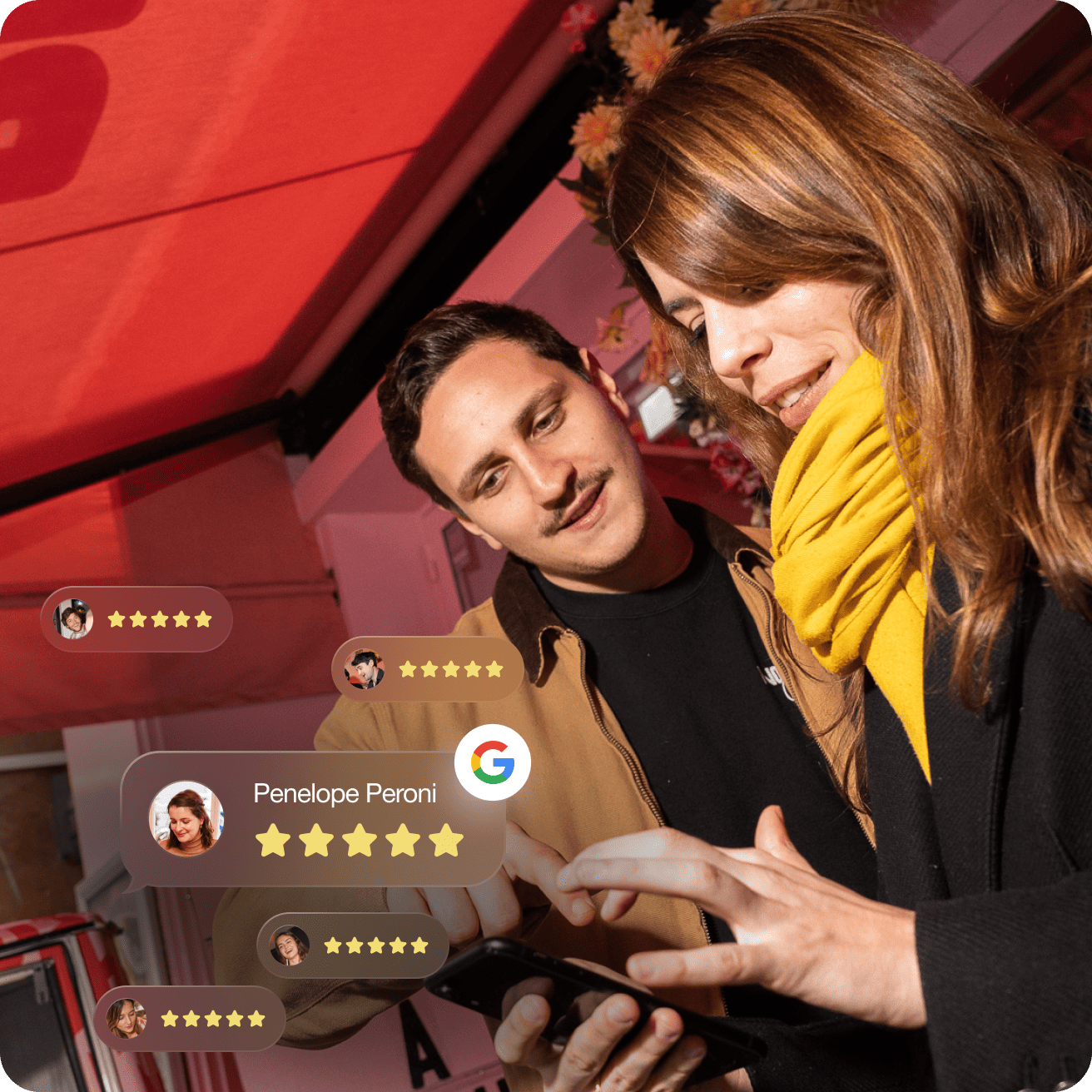
- Engagement and Feedback: With digital menus, you can prompt diners to leave a quick Google review, rate individual dishes, or even sign up for your newsletter.
3. Capturing the ‘Lighter January’ Audience
As the clock strikes midnight on December 31st and people’s motivations for health, wellness, and conscious dining kick in, offering lighter dishes is an obvious draw. But how do you convert this into a real advantage? Here are a few strategies that leverage digital menus to capture the attention of January’s health-focused diners:
- Highlight Health Benefits: Include nutritional information or star icons for “low calorie,” “high protein,” or “fibre-rich”. Many customers pay close attention to macros and ingredients at this time of year.
- Curate Themed Sections: Create a “Healthy Habits” portion of your digital menu. This can be an entire category dedicated to those mindful of their diets, drawing them in at a glance.
- Run Limited-Time Promotions: Offer a discounted “light set menu” that includes a fresh starter, a healthy main, and perhaps a light dessert like a fruit sorbet. Advertise this promotion prominently on your digital menu.
- Encourage Customisation: Digital menus can include toggles or drop-down options (e.g., “Remove cheese,” “Swap for gluten-free pasta”), giving diners a sense of control.
These simple techniques can resonate powerfully during January. The aim is to inspire trust and show that your restaurant hears customer demands.
4. Balancing Sustainability and Wellness
Wellness isn’t just about low calories or less sugar. Diners increasingly look at the broader impact of their choices. Sustainability, local sourcing, and eco-friendliness matter too. Lighter dishes often intersect with these values—think vegetable-forward plates, responsibly fished seafood, or meals that prioritise local seasonal produce.
Having a digital menu makes it much easier to highlight the origin or carbon footprint of your ingredients. You can add short notes: “Locally sourced from a farm in Surrey” or “MSC-certified fish.” When you combine a healthy approach to menu design with transparent sourcing, you appeal to customers who see January as a chance not just to reset their diet, but also to act responsibly towards the planet.
5. Using Data to Refine Your Lighter Dishes
One of the biggest perks of digital menus is the ability to gather real-time data. You can track precisely which items are most selected, when they’re ordered, and how diners customise their meals. This can be especially useful if you’re trialling a new range of lighter plates in January. By examining which dishes spike in popularity, you can tailor the menu accordingly.
Stop guessing about how customers feel and use the feedback to shape your next move. For instance:
- Spot High Performers Quickly: The moment you see a vegan soup is selling like hotcakes, you can feature it more prominently on your digital menu.
- Eliminate Slow Movers: If a certain salad seldom sells, you can retire it—or experiment with different dressings.
- Collect Ratings: Some digital menu tools allow customers to give a quick star rating. This can be a powerful gauge of satisfaction, not just sales figures.
- Follow Up with Surveys: Post-payment, you could invite diners to answer a quick question or two about their meal. Knowing whether they found it light enough, flavourful, or well-presented is invaluable.
Data can inform one of the most important business decisions: which recipes deserve to remain long-term and which need a tweak or two.
6. Payment via QR Code: Speedy and Convenient
Imagine it’s a busy weekend night. Your servers are juggling tasks, from taking orders to delivering food and mixing cocktails. The final step—settling the bill—can sometimes slowdown the entire workflow. This is where QR code payment solutions such as sunday come into play. When restaurant guests are ready to leave, they simply scan a code with their phone camera and handle the payment themselves.
For you as an owner or manager, the benefits are manifold:
- Increased Table Turnover: Diners do not need to wait for a member of staff to bring over the card machine (commonly called the card reader in the UK). Tables become free quicker, meaning more customers can be seated.
- Reduced Pressure on Staff: Employees spend less time dealing with manual payments and more time focusing on service, upselling, or checking in to ensure dish quality.
- Easy Tip Options: The tipping prompt can be seamlessly integrated into the digital payment flow, encouraging customers to leave gratuities without feeling pressured.
- Direct Review Links: Right after paying, diners can be prompted to leave a quick Google review. If they’ve had a great experience with your lighter specials, they might rave about them online, putting you on the map for like-minded eaters.
When the entire order, payment, and feedback loop is handled in one digital ecosystem, operational hiccups are reduced. January’s health-conscious trend, combined with fast, frictionless digital payments, can be a game-changer, drawing in diners who appreciate efficiency as much as they do fresh flavours.
7. Crafting January Menu Specials that Shine
All the technology in the world won’t help if the dishes themselves fall flat. This is your chance to be creative and offer something genuinely appealing, aligned with healthy-eating goals. A digital menu doesn’t just show text or images; it can elevate the experience with short, descriptive phrases, vibrant photography, or even mini stories behind each dish.
7.1 Incorporate Seasonal Ingredients
Highlight produce that’s naturally abundant and flavourful in January. In the UK, that might include:
- Root vegetables like carrots, parsnips, and beetroots
- Leafy greens such as kale, cabbage, and hardy winter salad leaves
- Citrus fruits like blood oranges, grapefruits, and lemons
Seasonal ingredients are often cheaper, taste better, and support local agriculture. Plus, they fit beautifully in hearty yet healthy soups, stews, and salads to warm up a chilly winter’s day.
7.2 Balance Flavours
Healthy doesn’t have to mean bland. Think about offering:
- A Spicy Lentil Soup: Comforting on a cold day while packed with protein.
- Colourful Stir-Fries: Combine crunchy vegetables with just enough sauce to keep them lively, not drowning.
- Zesty Dressings: A dressing made with lemon juice, herbs, and a drizzle of olive oil can make raw veggies sing.
Your January specials should make diners feel that your menu is fresh, bright, and uplifting. This sense of vibrancy delights the palate and keeps them coming back for more.
7.3 Lean Proteins and Plant-Based Options
Even if you serve meat, many people in January will be more curious about plant-based alternatives, fish, or lean cuts of poultry. Some ways to cater to this:
- Introduce one or two creative vegan dishes, such as a mushroom and chickpea burger.
- Offer fish-based specials using responsibly sourced types like mackerel or pollock.
- Showcase top-quality chicken breast marinated in spices, grilled to keep it flavourful yet lean.
These kinds of dishes appeal to a wide range of preferences, from the health conscious to those exploring new eating habits.
8. Integrating Social Proof and Reviews
In this digital age, potential customers often decide where to dine based on online reviews. Having an easy mechanism for customers to share their positive experiences can do wonders for your visibility.
When diners pay via QR code, you can invite them to rate not just the overall experience but also the new lighter menu items. A direct link to your Google Business Profile ensures diners can instantly leave a review. According to a local consumer review survey, 77% of people ‘always’ or ‘regularly’ read online reviews when browsing for local businesses.
By integrating this feedback loop into your digital menu and payment process, you drive more honest comments, which in turn can encourage more curious customers to visit. And if your new January specials are truly stand-out dishes, they will shine in those digital endorsements.
9. Marketing Your Digital Menu and January Specials
Communicating the fact that you offer a distinct January menu with healthier or lighter items is crucial. Without effective marketing, your shiny digital menu might go unnoticed. Here are some approaches:
- Targeted Emails: If you’ve built a mailing list, send out a quick note highlighting new dishes with a link to preview the digital menu.
- Social Media Teasers: Post short videos or appealing photographs on Instagram or Facebook. Use hashtags like #HealthyDining, #Veganuary, or #NewYearNewMenu to tap into trending topics.
- Point-of-Sale Notices: Even though your menu is digital, a small table stand or poster can grab attention. A neat sign telling diners to “Scan Here for January Specials” goes a long way.
- Influencer Collaborations: Invite a local food blogger to try out your lighter dishes. If they share their experience, you reach their followers instantly.
January might be a quieter month, but do not let that quietness go to waste. View it as a blank canvas where you can test out new strategies and refine them for busier seasons ahead.
10. staff Engagement and Training
Introducing digital menus and new options for January is exciting, but remember to train your team properly. They serve as ambassadors for these changes. Some key points to consider:
- Familiarity with the Digital Menu: Staff should be able to guide diners on scanning QR codes, customising orders, or leaving reviews. If they come across as confident, diners will adapt more readily.
- Menu Knowledge: Each team member needs to understand the new, lighter dishes. They should be able to describe the key ingredients, nutritional highlights, and unique selling points.
- Encourage Feedback: If customers mention something they’d like to see improved, staff can pass it along. Your digital system is only as good as the data input you receive, and staff can help capture vital information.
When your servers, hosts, and managers all believe in the benefits of digital menus—and the healthy direction you’re aiming for—this confidence is contagious.
11. Does It Pay Off? Looking at the ROI
You might wonder: “Is the investment in a digital menu or a QR-based payment system worth it?” Let’s step back and consider the financial benefits and intangible gains:
| Factor |
Impact |
| Reduced Printing Costs |
Lower overheads from constantly updating paper menus. |
| Quick Table Turnover |
Increases revenue potential, especially during peak hours. |
| Staff Efficiency |
Less time spent on handling bills, more on guest experience. |
| Customer Satisfaction |
Enhanced speed and control, leading to better reviews and repeat visits. |
In addition to these measurable benefits, digital menus demonstrate that your restaurant is forward-thinking, customer-focused, and ready to adapt. This alone can differentiate you from more traditional or slow-to-evolve competitors.
Admittedly, adopting digital solutions requires some investment of time, training, and resources. Yet the shift often pays for itself quickly in terms of operational improvements. And in a climate where contactless experiences are increasingly sought after, it can become a major selling point.
12. Setting Your Restaurant Apart
Once you hook diners with the promise of healthy but flavourful options, combined with instant digital payment, your restaurant has an appealing edge. You become the spot where customers know they can find:
- Quick, user-friendly ordering and payment, courtesy of a streamlined digital menu.
- Menu variety that adapts to current tastes, starting with lighter, January-friendly dishes.
- A staff that knows their stuff and welcomes feedback—because your digital platform depends on it.
Think of it this way: Lighter January fare is just the beginning. If you can master the technology and prove your agility in updating offers on the fly, you can replicate this process for other seasonal themes—think Valentine’s Day indulgences, summer barbecue specials, winter warming comfort foods, and so on.
Each change is a fresh opportunity to keep your menu exciting, keep customers engaged, and highlight your adaptability as a business that truly listens.
13. Practical Tips for a Successful Digital Menu Rollout
If you are new to digital menus or are evolving your existing setup, consider the following tips to ensure a smooth rollout:
- Choose a User-Friendly Platform: Not all digital menu and QR code solutions are the same. Look for tools that are intuitive for staff and diners alike.
- Test on Various Devices: Guests might scan your QR code using iPhones, Android devices, or tablets. Ensure the menu displays well on different screen sizes.
- Keep Visuals Appealing: High-quality images and concise descriptions help customers make quick decisions.
- Group Items by Theme or Diet: This helps diners who are specifically looking, for example, for vegan or gluten-free items.
- Promote It Clearly: Let diners know you have a digital menu. Table signage or a quick mention from the host can clarify the process.
- Encourage Feedback: Ask your early adopters what they think of the system. This can help you refine both the technology and the items on offer.
Remember, technology should simplify the dining experience, not overcomplicate it. A well-structured menu and clear instructions usually do the trick.
14. FAQ
Below are some common questions restaurant owners ask about using digital menus and focusing on healthier dishes in January.
- How do I convince regulars to switch from a paper menu?
Make it seamless and clearly display instructions. Provide paper menus as a backup for anyone uncomfortable with digital, but highlight the extra features—like instant updates and easy filtering—that might tempt long-time patrons to try digital.
- Will a lighter menu alienate customers wanting something heartier?
Balance is key. Offer a few lighter dishes to appeal to seasonal trends, but keep crowd favourites present. Promote variety rather than replacing your entire menu.
- Does digital payment affect my restaurant’s tipping culture?
In most cases, tipping increases because the digital interface can include preset tip options (e.g., 10%, 12.5%, 15%). Customers can show appreciation with just a tap.
- Are digital menus complicated to update?
Once set up, editing pricing or descriptions is usually straightforward—no more printing or re-laminating. The key is to pick a platform that offers user-friendly tools.
- Should I keep the lighter January dishes all year round?
You can let data guide you. If certain items remain popular, consider integrating them permanently. Others might be best saved for seasonal promotions.
Harnessing digital menus to test lighter January dishes can revitalise your restaurant at a typically quiet time of year. It’s a chance to marry healthy eating trends, efficient service, and modern technology to keep your diners excited—and keep your business thriving.