Accelerating Service to Boost Your Team’s Happiness
Faster service is not just about quicker table turns; it directly impacts how your team feels at work. When you speed up service, every staff member—from the head chef to the servers on the floor—experiences lower stress and higher motivation. They can spend more time focusing on guests instead of hurrying through tasks. This sense of control promotes team confidence, strengthens camaraderie, and helps build a glowing reputation for your establishment. Moreover, the right tools, such as streamlined payments and flexible shifts, can reinforce efficiency. In the end, boosting service speed fuels staff morale—which translates into better customer experiences and stronger business results.
Why Speed Matters for Staff Morale
Picture your bustling dining room at peak lunch hour. Plates need to be garnished just so, glasses filled, and tables cleared before the next party arrives. If your service flow is smooth and timely, everyone on the team feels in control. The chef can pace their cooking without feeling the pressure to rush out late orders. The hosts can greet customers with a genuine smile, rather than an apologetic shrug. And your servers can take a minute to chat with loyal patrons, ultimately increasing tips and positive reviews.
On the flip side, slow table turnaround or clumsy payment processes can trigger a chain reaction of stress. Diners begin to shift in their seats, servers struggle to keep up with requests, and the kitchen hurries plating. This atmosphere of urgency seeps into the staff culture, undermining morale. According to a study by the CIPD (visit https://www.cipd.co.uk/knowledge), feeling valued and supported at work significantly affects employee well-being. When speed is handled poorly, it’s easy for staff to feel neither valued nor supported.
If you want your restaurant to function like a perfectly balanced dish, you need to marry quality with efficiency. Here’s why getting service on time helps your people stay motivated:
- Less chaos: Well-managed speed cuts out frantic rushes, so staff handle tasks methodically instead of dousing metaphorical fires.
- More personal engagement: When servers are not sprinting between tables, they can focus on diners, leading to better rapport and bigger tips.
- Smoother collaboration: Quick, reliable communication between the front and back of house cements trust and respect.
- Higher satisfaction: Staff feel purposeful and accomplished when service runs as planned, keeping morale high.
The Power of a Swift Service Flow
You want your establishment to be known not only for its culinary delights, but also for its welcoming atmosphere. When service moves along seamlessly, from greeting diners to settling the bill, you set the tone for a memorable dining experience. Customers notice the calm, collected energy of your staff—and staff, in turn, pick up on happier customers. It’s a positive feedback loop:
- Guest satisfaction → Better tips and positive feedback
- Better tips and feedback → Greater staff motivation
- Higher staff motivation → Improved efficiency and hospitality
This cycle is what keeps the entire team, from the line cooks to the bartenders, feeling proud of their work. Once the wheels of efficiency are in motion, a ripple effect takes hold. Managers get to spend more time coaching and supporting employees, rather than troubleshooting customer complaints.
An added benefit is that accelerated service doesn’t mean rushing through tasks at the expense of quality. It’s about using time smartly—communicating effectively in the kitchen, making sure orders are accurate, and promptly collecting feedback. When staff are confident in the flow, they’re able to cope better during the busiest hours, remaining calm under pressure.
Reducing Stress Through Streamlined Operations
A restaurant is like an orchestra: to produce a harmony, everyone needs to play their part fluidly. Here are a few methods to streamline your operations and reduce stress for all:
- Preparation is Key
By prepping ingredients in advance, you reduce on-the-spot scrambling. The kitchen brigade can concentrate on perfecting each dish instead of chopping tomatoes halfway through the rush. This translates into quicker service without compromising on taste or presentation.
- Optimised Floor Layout
Ensure the distance between the kitchen, bar, and tables is logical. The less time your staff spend navigating around obstacles, the better. Consider how easily servers can move between stations and how quickly dirty plates reach the sink.
- Clear Team Roles
Designate specific roles for different team members during rush periods. When everyone knows who’s garnishing plates and who’s topping up water glasses, the service is smoother, and nobody feels overwhelmed.
- Effective Communication
Handheld devices for servers, or a well-structured point-of-sale terminal, can keep staff in sync with the kitchen. Clear messaging ensures orders are accurate, cuts out repeated questions, and lets the kitchen forecast bottlenecks—keeping stress levels down.
- Smart Payment Solutions
A drawn-out payment process can derail an otherwise efficient service. Modern solutions enable customers to pay via a QR code at the table, reducing the need for staff to run back and forth with a card machine. This shortens table turnover time and frees servers to assist others or take a quick breather.
By systematically addressing typical pinch points—like disorganised prep stations or slow payments—you’re effectively reducing stress for your staff. And happier, lesser-stressed employees perform better, stay longer, and remain positive even on jam-packed nights.
Heightening Kitchen and Front-of-House Coordination
For perfect service, chefs, servers, and hosts must all be on the same wavelength. Here’s how to tighten collaboration:
- Regular Briefings: A quick pep talk before meal service sets the tone. Chefs can mention which dishes might be in demand, and servers can highlight new allergens or special requests.
- Unified Tech Platforms: A synchronised ordering system ensures the kitchen sees live updates. This is especially beneficial when certain menu items run out—servers can adjust without confusion.
- Mutual Respect: Great service demands civility. Front-of-house workers should avoid blaming kitchen staff for slow orders, just as chefs should show patience when servers request modifications. The more respect they show each other, the better the entire environment.
Close collaboration leads to fewer mistakes, which means quicker delivery of dishes and happier customers—and, of course, a happier team. The sense of a shared mission fosters morale and encourages staff loyalty. And loyalty makes for stable, experienced teams who can handle any lunchtime rush or group booking with finesse.
Encouraging Communication to Solve Problems Early
Every problem has a solution if you address it soon enough. The trick is enabling staff to signal concerns before they mushroom. With a friendly and open communication culture, you’ll often find that small issues can be resolved quickly:
- An overcooked steak? Flag it early, get feedback from the chef, and rectify it. Quick action keeps tensions low.
- Running out of a popular dessert? Let your manager know immediately so they can offer alternatives, avoiding disappointed diners.
- Tight staffing on weekends? Speak up and re-arrange shifts to avoid staff burnout. See if any part-timer can fill the gap.
This approach prevents emergencies from blowing up into real catastrophes. And when staff see their input is respected, they feel real ownership of the restaurant’s success. That sense of belonging enhances morale, effectively nurturing a more tightly knit team.
How Payment Solutions Lift Morale
You might not immediately link payment systems to staff well-being, but think about how many times your team runs to grab the card machine, waits in line for it to connect, or processes multiple bills while others are waiting. Over time, these small delays accumulate into significant frustration.
Providing a robust payment option—such as a simple “pay-at-the-table” feature using a QR code—addresses the stress points associated with transactional tasks. Guests benefit from faster finalisation of their meal, and staff can:
- Avoid Payment Jams: No more queuing behind the bar for a terminal mid-rush.
- Minimise Errors: Reduce confusion or mistakes in splitting bills or inputting amounts manually.
- Boost Tips: Modern payment solutions often incorporate a clear tipping prompt, increasing the likelihood of a generous tip.
- Gain Time Back for Service: Instead of finishing a payment cycle, they can pivot to the next table or assist a colleague.
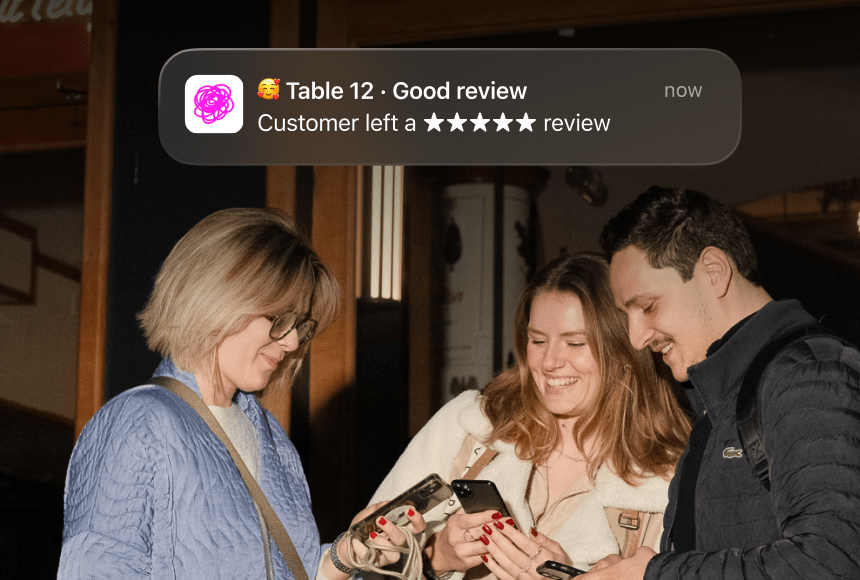
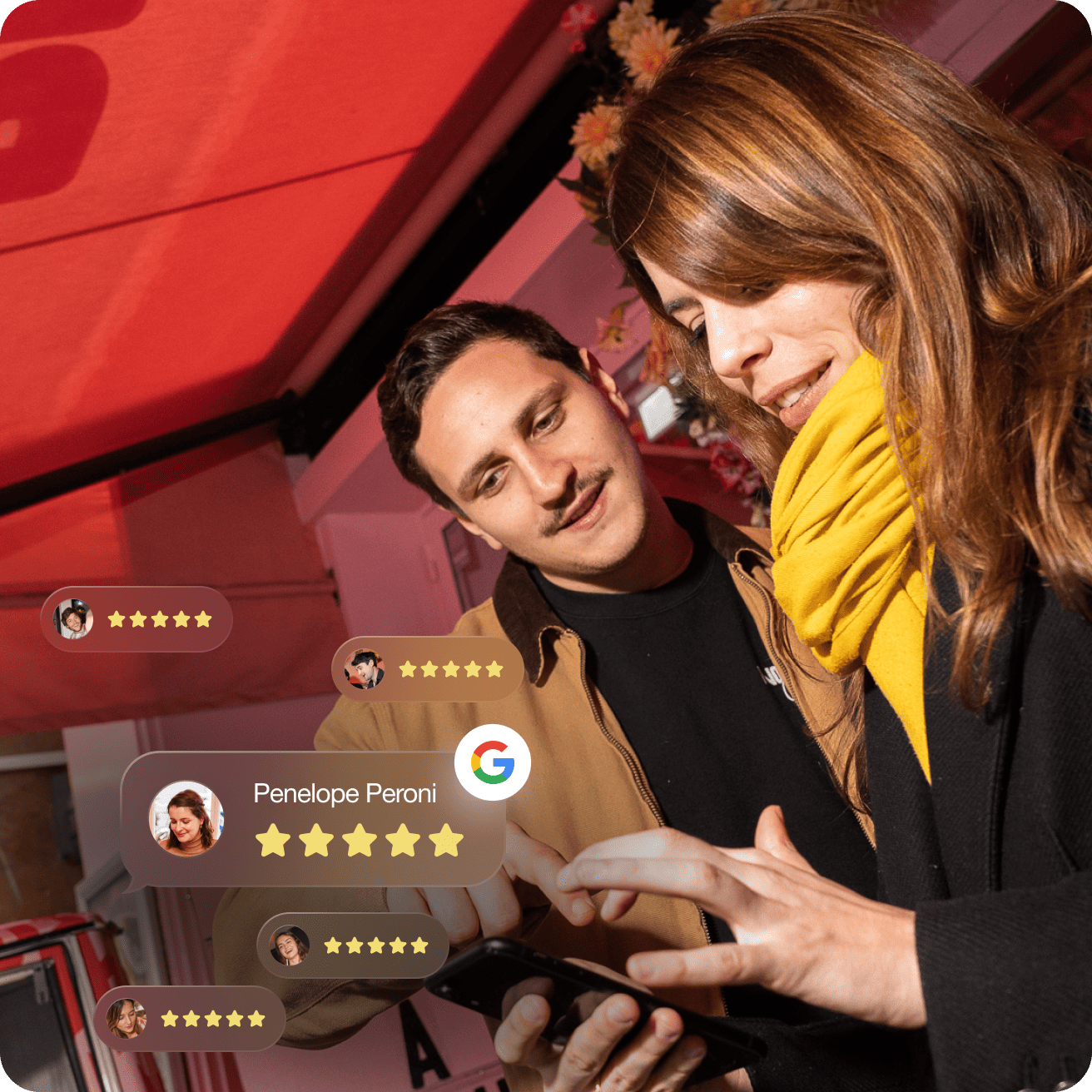
The sum of these small daily improvements is a considerable cutback in stress. And with each staff member feeling a bit more relaxed and appreciated, morale stays sturdy. A platform such as sunday, which lets diners scan a QR code, leave a tip, and post a Google review without staff needing to handle multiple transactions, can be an efficient add-on to your existing operations. It’s not about replacing personal interaction. Rather, it’s about trimming the tasks that cause delays and letting servers do what they do best: provide top-notch hospitality.
Case Studies: Real Insights from the Industry
Sometimes, an anecdote can shine a light on best practices better than statistics can:
- A Booming Milkshake Bar in Leeds
A popular spot that sees heavy foot traffic from local students decided to implement a slick payment method coupled with a well-structured queue system. The staff reported fewer stressed-out interactions, more time to put a smile on customers’ faces, and an uptick in tips. “We’ve halved the chaos,” the manager happily noted.
- A Family-Run Bistro in Manchester
When they introduced pre-shift briefings and installed a kitchen display system that updates orders in real time, the staff said they felt more relaxed. With less confusion over who’s doing what, the entire vibe of the place improved. It all came down to clarity and speed—leading to better service and more repeat visits.
These examples underline that faster service doesn’t mean dashing about blindly. Rather, it’s a well-coordinated and well-communicated process that makes everyone’s shift less hectic and more enjoyable.
Retaining Staff: The Financial and Emotional Payoff
In an industry that often sees high turnover, maintaining staff morale translates directly into saving money. The hidden costs of recruiting, onboarding, and training can add up quickly. But staff retention is not just about the numbers. It’s about building a cohesive team culture that helps new hires settle in and veterans continue to grow.
When morale stays high, you aren’t merely avoiding negative outcomes—you’re creating positive ones. Staff who remain longer:
- Learn the nuances of your menu, so they upsell and advise guests with expertise.
- Build local rapport, so regulars feel connected and come back more often.
- Collaborate smoothly, enabling new staff to learn from experienced peers.
- Fear less burnout, remaining engaged and open to new tasks (like creating specials or updating wine lists).
Faster service plays a crucial role in minimising tension and keeping your best employees. They realise they won’t be caught in endless friction with the kitchen or under constant pressure from waiting customers. Instead, they can pride themselves on delivering a top-tier guest experience, confident they have the right systems in place.
Inspiring Staff Ownership and Creativity
When your team isn’t swamped by avoidable delays, there’s room for creativity. Whether it’s recommending wine pairings or suggesting new local produce to incorporate into the menu, employees will feel empowered to go beyond the basics of service. This fosters a sense of ownership:
- Staff Proposals: Encourage them to propose ways to improve the workflow. Maybe it’s rearranging the pass or adjusting how tables are assigned.
- Menu Suggestions: If cooks aren’t always racing the clock, they can experiment with specials and seasonal dishes—giving your restaurant an edge.
- Friendly Competition: Challenge staff to see who can come up with an ingenious serving hack or plating tip that speeds up service without cutting corners.
A workplace that values and nurtures innovation will see enthusiasm thrive. And enthusiastic staff consistently demonstrate higher morale.
Balancing Technology with Personal Touch
Speeding up service might bring to mind images of tech everywhere—robots delivering plates or automated ordering kiosks. But the goal isn’t to remove the personal element from dining. The trick is blending modern conveniences that reduce time-consuming processes with genuine human contact that makes guests feel special.
For instance:
- Table-Side Payments: Minimises downtime for staff, while still allowing for the friendly handshake or wave goodbye.
- Online Reservations: Let your website handle the behind-the-scenes scheduling, so your front-of-house staff can focus on welcoming guests face to face.
- Live Updates: A well-maintained booking system shows real-time table availability, so hosts can seat arrivals swiftly, maintaining a professional yet warm vibe.
All these systems free up staff to show off their best qualities: sincere friendliness, quick wit, and genuine culinary knowledge. And when they can be themselves, morale flourishes.
Practical Steps to Implement Faster Service
Making your service more efficient takes deliberate planning. Here are a few straightforward ideas you can explore:
- Conduct a Process Audit: Map out every step of a customer’s journey, from arrival to departure. Identify any time-consuming steps, such as complicated bill-splitting or too many steps between the coffee machine and the dining area.
- Set Realistic Targets: Aim for a specific table-turnover time during peak hours, but ensure staff feel the target is achievable without sacrificing quality. If you currently operate on a 60-minute cycle, perhaps reduce it to 50 minutes.
- Provide Consistent Training: Speed without skill can lead to mistakes. Equip your staff with proper training to confidently carry out tasks at a timely clip. This includes baristas at the espresso machine, waiters memorising specials, or runners who must walk swiftly without spilling drinks.
- Encourage On-the-Spot Problem Solving: Empower your team to make instant decisions if a dish is slow from the kitchen. Maybe a quick free appetiser helps keep guests happy, or a server jump-starts the next table’s drinks in the meantime.
- Celebrate Wins: When your team hits a new efficiency target or keeps everything running smoothly on a packed Saturday night, recognise their efforts. Praise goes a long way in reinforcing positive changes.
Fostering a Culture of Appreciation
You can have the fastest service in town, but if staff feel unrecognised, morale may still plummet. To keep spirits high, appreciation must be continuous. Remember to:
- Share Positive Feedback: Display rave customer reviews on a notice board or message channel. Hearing that guests love the quick, friendly service can validate staff efforts.
- Thank Your Team: A small verbal “thank you” or a staff meal can go miles in boosting morale. They’ll know you notice the extra push they’re putting in for speed and quality.
- Reward Initiative: If someone finds a new way to expedite orders, consider a small bonus or an extra day off. Let them see that innovation is valued.
Appreciation, at its heart, costs very little monetarily but pays massive dividends in loyalty and performance. A team that feels cherished returns that sentiment to your customers, ensuring your restaurant’s reputation for service excellence.
The Role of Tipping and Recognition in the UK
Though the UK may not have the same tipping culture as some other countries, hospitality workers still appreciate recognition for fantastic service. A prompt service, delivered with a smile, increases the likelihood of a tip—which in turn raises morale. Staff morale also benefits from seeing regular customers come back for their personal touch.
These intangible rewards—like a personal thank you or an online review deeming a particular server “fantastic”—can have just as big an impact as a tip jar. With solutions like direct tipping prompts on QR code payments, you can gently nudge customers to show gratitude. And staff will undoubtedly feel valued when they see that immediate feedback from a table that just left happily.
When to Bring Tools Like sunday on Board
Sometimes, your existing service is chugging along but hitting bottlenecks in specific areas. If you spot that order-taking is smooth but the final payment slows everyone down, that’s an opportunity to implement a technology like sunday. With QR codes at the table, guests can settle up instantly, tipping your staff and posting a positive review in seconds. Bottom line: it gives your servers more time to check in with others, pick up new orders, or handle any surprise issues.
Similarly, if staff mention they frequently struggle to remember custom orders, you might look into an advanced POS terminal that simplifies that process. Adopting specific tools where friction exists helps you address pain points while maintaining a personal, interactive atmosphere. It’s never about diminishing the human element; it’s about preventing unnecessary stress so your employees can focus on delivering top-tier hospitality.
Long-Term Impact: Growing Together as a Team
The restaurant industry is famously fast-paced, and it can be easy to lose sight of your team’s mental well-being. Yet, businesses that invest in making service faster and less stressful gain a significant advantage:
- Higher Retention: Reducing burnout and showing you care about staff well-being ensures people stay.
- Better Reputation: Word travels quickly in the food world. When staff speak highly of your place, you attract top talent.
- Stable Operations: Experienced employees run efficient, problem-free shifts, building consistency for your guests.
- Room for Growth: With a cohesive team, expansion into new ventures—like a second branch or a seasonal pop-up—becomes far less daunting.
When you and your staff share the benefits of consistent, streamlined service, you solidify not only morale but also your brand’s legacy. Balancing speed, care, and innovation leads to a virtuous cycle: content employees, satisfied customers, and a robust bottom line.
Frequently Asked Questions
- Q: Will speeding up service reduce the quality of the dining experience?
A: Not if done correctly. Faster service simply means removing unnecessary delays. When staff can focus on guests instead of getting bogged down by repetitive tasks, diners often feel even more valued.
- Q: Do technological solutions replace personal interaction with guests?
A: They shouldn’t. Tools like quick payments and integrated ordering simply cut out repetitive admin. This frees your staff to spend quality time engaging with diners—advising on specials or even sharing the story behind local ingredients.
- Q: What if implementing a new system disrupts current operations?
A: Start small. Introduce changes in non-peak hours or test them on a single section of the restaurant first. Gather feedback from staff and customers, then refine your approach before fully rolling it out.
- Q: How can I ensure staff uptake on new solutions?
A: Proper training and transparency are key. Involve your team in the decision-making process and explain the benefits. Show them how these tools save time, boost tips, and reduce chaos, ensuring they’re on board from day one.
- Q: Does a faster table turnover always mean more revenue?
A: Typically, yes—faster turnover allows you to serve more customers. Quality still matters, however. If quicker service is rushed or sloppy, you might lose return business. Strike the right balance between efficiency and hospitality.


 1min
1min