Restaurant toolkit
23 December 2025


Picture this: a bustling family-run restaurant on a Saturday night. Every table is filled, the kitchen is humming with excitement, and the aroma of fresh rosemary and garlic is drifting through the air. Diners are having an amazing time—until the end of the meal, when a lengthy wait for the bill leaves them fidgeting. It’s a small hiccup, but one that can cast a shadow on an otherwise enjoyable experience.
Over the years, technological advances have redefined restaurant operations, from online reservations to environmentally friendly packaging. Yet, payment technology often remains overlooked. When restaurants consider upgrading, they tend to focus on ambience or menu design. But in a world where convenience is everything, making payments quick and effortless can be the ultimate secret ingredient to winning diners’ loyalty.
In this guide, we’ll explore how and why streamlined payment methods lead to repeat visits, happier staff, and a healthier bottom line. Our journey will address:
Unlike your décor or your inspired specials board, payments are rarely the part that diners swoon over. No one says, “You’ve got to visit this place; their card machine is brilliant!” But any friction at the point of payment can turn a terrific evening into a frustrating memory. When the queue for a card terminal grows, or a server goes missing with the card reader, diners quickly lose patience.
The payment experience is often the final impression of your restaurant. If it’s poor, diners may remember the check-out ordeal more than they remember your signature dessert. On the flip side, a quick and error-free payment process sends customers off with a positive vibe. It tells them you value their time, which can turn a passing diner into a committed regular. In the UK, where we rely heavily on fast services in our daily life—think contactless public transport—the expectation for speedy solutions extends naturally to dining, too.
According to UKHospitality, consumer expectations for convenience and speed have risen dramatically in the past decade. Waiting an extra 10 minutes for the bill can feel like an eternity in today’s hustle. That’s why enabling frictionless technology at this stage can be a game-changer.
Today’s payment landscape is vast. Long gone are the days when a single, fixed card machine was the only option. Restaurants now have access to a wide array of solutions:
Each system brings benefits and challenges, and as a restaurant owner, it’s vital to pick the solution—or combination of solutions—that fits your brand and clientele. The best approach is one that blends seamlessly into the dining flow, so guests hardly notice any disruption before they tap or scan to pay.
Despite often being overlooked, the payment process can be a tipping point between someone visiting your venue just once or making it their favourite Friday date spot. Here’s why:
Even though your main focus might remain on the perfect risotto and the perfect wine pairings, don’t underestimate the powerful little flourish of an effortless payment method. It keeps your restaurant in diners’ minds for future visits.
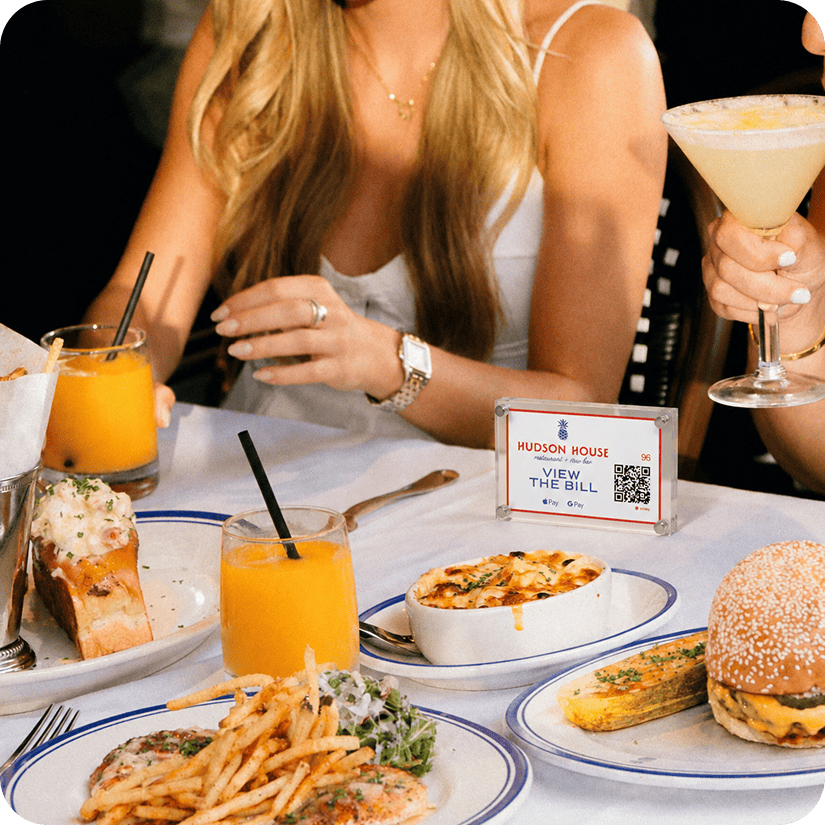
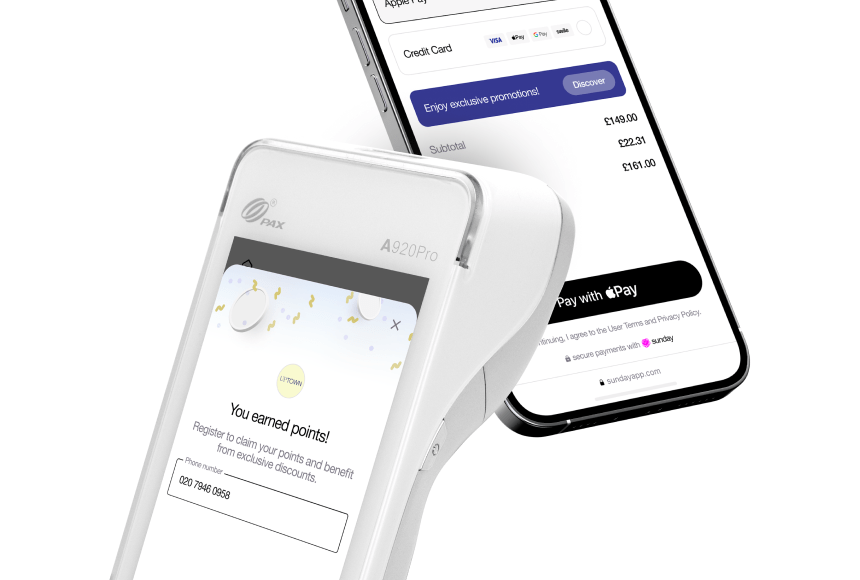
Among the many solutions on the market, sunday has carved out a niche with its fast and uncomplicated QR payment process. Imagine a table of diners scanning a code with their phones—no fuss with receipt printers, no waiting for the card reader, and no confusion over splitting the bill. Just a quick glance at the itemised list, an option to tip if they choose, and a final click to pay.
Beyond that, sunday also integrates features that encourage tipping at a fair rate. The platform gently nudges guests toward a gratuity while leaving the ultimate choice up to them. This approach, positioned at the moment of payment, tends to boost tipping rates. After all, happy diners are more likely to reward good service when it’s made convenient for them. And let’s not forget the chance to leave a quick Google review, which can further improve your online reputation.
But does it really matter for your staff and bottom line? Absolutely. A study cited by Statista demonstrated that faster checkouts lead to higher average tips. Happier staff members feel valued, and in turn, they provide better service. Meanwhile, guests quickly get in and out, feeling as though the entire experience was curated just for them.
Mistakes happen—even at the best of restaurants. A busy server might enter the wrong dish into the system, or the kitchen might substitute an ingredient without noting the price difference. By the time the final bill arrives, small errors can add an awkward hiccup to an otherwise pleasant meal.
One of the biggest advantages of automated or digital payment solutions is real-time syncing with your ordering system. Each dish, added sauce, or special request can show up accurately, minimising embarrassing or time-consuming mishaps. No flipping through scribbled notes or guessing who had the extra side of chips.
This real-time accuracy also fosters transparency. Diners can see exactly what they’re paying for—no hidden fees, no questionable calculations. When everything is laid out clearly, trust grows. Trust translates into positive impressions, and positive impressions invite repeat business. It’s an easy equation.
In a classic restaurant scenario, tables are often waiting for staff members to bring over a card reader or the printed bill. That downtime doesn’t just bother impatient diners—it also ties up employees who are juggling multiple tasks at once. Technology that speeds up the payment process effectively frees your staff to do what they do best: provide excellent service.
When employees don’t have to spend extra minutes repeating card transactions or chasing printed receipts, they can engage in more personal ways:
These conversations can leave a lasting impression. They show genuine care, warmth, and a sense of hospitality that lingers well after the diner leaves. By delegating the mechanical tasks of billing to a modern solution, you allow your staff to be brand ambassadors, attentive to customer needs and great sources of word-of-mouth promotion.
Today’s restaurant business is becoming more data-driven than ever. It’s not just corporate chains or fast-food giants who can gather meaningful insights. With automated payment solutions—especially digital ones—independent restaurants now have easy access to real-time analytics. By studying data trends like peak payment times, average transaction value, and tipping habits, you can make informed decisions about your operations.
For instance, you might spot that lunch customers tip less than dinner customers and react accordingly. Maybe you’ll launch a loyalty scheme or tailor your staff assignments to busier periods. Understanding the nuances of payment data is much like adjusting the seasoning in a dish: a small tweak can significantly transform the outcome. Seeing how your diners behave at the end of the meal can reveal broader patterns about your establishment.
This level of understanding is crucial in an evolving market. With quick-turnaround insights, you can test new promotions—like a mid-week steak special or a discounted dessert offer—and immediately see the effect on your revenue, average bill size, or tipping. Whether you’re a fine dining spot or a casual café, using data to refine your approach can help transform a one-time diner into a loyal advocate.
Word of mouth once meant recommendations traded over the garden fence or at the office water cooler. Today, it’s amplified by online review platforms—Google Reviews being among the most influential. Many diners now check a restaurant’s star rating before booking a table. A significant percentage of potential customers may look elsewhere if your ratings seem too low or too few.
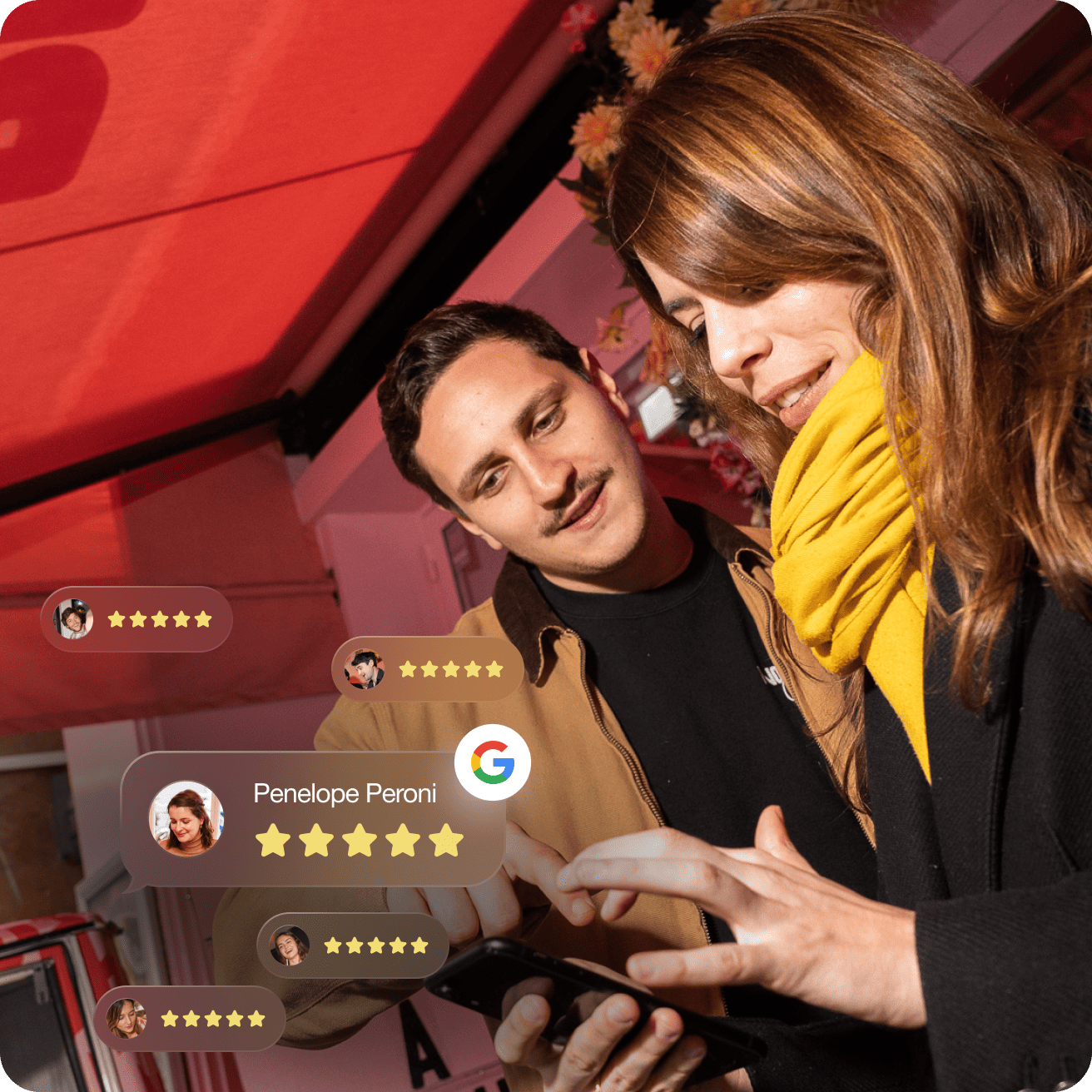
Integrating a “Leave a Review” prompt into the payment experience is a wise move. When diners can leave a rating then and there—without having to search for your restaurant name on Google and sort through multiple entries—they’re more likely to share their delight. Of course, the ideal time to capture positive reviews is precisely when the satisfaction of a good meal and good service is still fresh.
Not only does a steady influx of reviews boost your spot in local search rankings, but it also provides a real-time pulse on your guest satisfaction. If something’s off, the feedback can help you fix it quickly and personally reach out. Conversely, glowing testimonials can strengthen your online reputation, drawing in new guests. In essence, you’re turning that final moment of payment into a marketing opportunity—without leaving a sour taste.
Many restaurants pride themselves on their honesty about everything from ethically sourced ingredients to staff well-being. But trust can extend beyond how you source vegetables. Honest pricing, fair wages, and open communication about fees and tipping policies all matter. Today’s diners pay attention to these details.
Using digital payment platforms can underscore that sense of transparency. When people see exactly how the final total is calculated, they appreciate the honesty—and become more inclined to reward the restaurant with tips or positive reviews. Even better, show that tips go toward staff development or team appreciation initiatives. That knowledge can encourage generosity and a sense of connection with your establishment’s values.
Inclusivity is equally important. Not all diners have the same needs or abilities—some may have difficulty with touchscreens or prefer large print. Ensuring that your chosen platform is intuitive and accessible fosters an environment where everyone feels welcome. It’s just like offering a gluten-free menu or a child-friendly option. A caring approach to every possible diner can only strengthen your brand identity.
So how do you put these ideas to work in your restaurant? Here are a few hands-on pointers:
Having worked alongside many restaurant owners over the years, I’ve seen firsthand how seemingly minor changes can significantly shift business outcomes. Updating your payment system might feel like a leap—particularly if you’ve always done things the traditional way. There is an initial learning curve, new devices or software to source, and slightly adjusted protocols to roll out.
Yet the reward is tangible. When the flow of your restaurant is consistently smooth from the first greeting to the moment the bill is settled, your diners notice. They appreciate it. And the next time they’re debating where to dine, that memory of a seamless, stress-free experience nudges them to come back. It’s the cherry on top of your operation—which might just be the sweetener you need to survive and thrive in a competitive market.
Plus, with a solution like sunday, you gain not just faster transactions, but also an integrated advantage for building brand loyalty and capturing real-time feedback. The tool complements your staff’s natural hospitality without overshadowing it. In fact, technology should quietly support the human element, allowing your team to connect meaningfully with guests rather than dealing with fiddly hardware.
Below you’ll find responses to common queries about streamlined payment solutions.
Modern card terminals, QR code systems, and mobile payment apps are heavily safeguarded through encryption and compliance with industry regulations (like PCI DSS). Sticking with reputable providers offers state-of-the-art security that reduces the chances of fraud or data breaches. Always communicate clear security measures to your guests so they feel confident paying via digital methods.
It’s best practice to keep a traditional payment option for those who aren’t comfortable with technology. Many digital payment solutions also let you print or email receipts instantly, satisfying both old-school and digital-first diners. The key is flexibility—ensure guests can pay however they feel most at ease.
In fact, digital payment processes often present tipping suggestions in a gentle, user-friendly way, leading to higher tips. The convenience of clicking “Add Tip” during checkout encourages many guests to reward good service more frequently than they would in traditional setups. Educating your staff about this feature fosters optimism and helps them guide customers appropriately.
While there can be initial expenses—device costs, software subscriptions, or additional training—the investment typically pays off. Fewer errors, quicker table turnover, and improved guest satisfaction tend to boost overall revenue. Many solutions are also competitively priced, with different subscription models to suit individual restaurant budgets.
Build it into the payment process itself—straight after they settle the bill, prompt them to rate their experience. Attaching a heartfelt “Thank you for dining with us! Share your feedback below” can be highly effective. Consistent, positive reviews enhance your visibility in search results and strengthen your reputation, particularly in local listings.