Smoother Payments, Happier Diners: Strategies for a Stress-Free End to the Meal
A stress-free payment experience is essential to preserving the final impression of a meal and turning satisfaction into long-term loyalty. Awkwardness at checkout often comes from social discomfort around money, uncertainty about tipping, time pressure, or confusion over payment methods, yet this final moment disproportionately shapes how guests remember the entire visit. Clear language, thoughtful timing and well-trained staff help reduce tension, while flexible processes accommodate different preferences such as bill splitting, contactless payments or cash. QR code payments allow guests to pay privately and at their own pace, making tipping and leaving reviews feel natural rather than forced. When technology and service culture work together, the end of the meal becomes calm, respectful and positive—for diners, staff and the business alike.
1. The Truth Behind Awkward Payment Moments
Picture this: A couple has just finished a candlelit dinner, wearing satisfied smiles. Your waiters have done everything right. The food was delicious, the wine pairing perfect, and the atmosphere just right. The guests are chatting excitedly about plans for their next visit. Then comes the moment to settle the bill. The hush that can follow might be brief, but it often holds an undercurrent of worry or politeness—they don’t want to look tight-fisted, they’re wondering whether the card machine will appear promptly, or they’re quietly debating whether to leave a tip in cash or by card. As a restaurant owner or manager, you feel that microsecond of tension too. It’s not always easy to break in with a “Would you like to pay now?” without feeling as though you’re pushing them out of the door.
These minor awkward moments can have an outsized impact on your guests’ overall experience. In fact, small segments of tension sometimes overshadow an otherwise delightful meal. It’s essential to understand why they happen before we can talk about strategies—even subtle ones—to reduce them.
2. Why Payment Anxiety Happens
The UK, like many cultures, holds a certain hush-hush attitude about money. We’re comfortable talking about the weather, complaining about traffic, or even discussing the finer points of a Sunday roast, but open talks about payment? Not so much. This feeling intensifies in a restaurant setting when guests are trying to enjoy their meal. Rolling out the bill at the wrong moment, or fumbling with physical receipts, can feel intrusive. From your side of the pass, you worry about coming off as pushy or sales-focused.
And it’s not just about the social awkwardness either. Payment anxiety has practical origins:
- Time Sensitivity: Diners in a rush—especially lunchtime crowds—want to pay quickly. Any delay can raise stress levels.
- Fear of Errors: Guests might be anxious about being overcharged, charged twice, or seeing a mysterious extra item on the bill.
- Unclear Tipping Norms: Most diners in the UK do tip, but the local culture can leave them guessing, “How much to tip? Is service included?”
- Juggling Payment Methods: Some customers prefer contactless, some Apple Pay, others want to split the bill or pay separately. Complexity can create tension.
These anxieties can show up in subtle ways: guests glancing around for the final step, confusion about what to do next, or staff waiting with the card machine just a bit too eagerly.
3. When Awkwardness Translates into Lost Opportunities
You might wonder how much difference a small payment hiccup can make. After all, if the food is great and the atmosphere is lovely, will customers really remember a small delay with the bill? Oddly enough, people do. While a perfect meal can go far, the final impression you leave on your guests is always significant. Psychologically, the end of any experience influences overall satisfaction the most. A researcher named Daniel Kahneman famously discussed how the final moments of any event strongly shape our memory of it. In a restaurant, that final interaction is the payment process.
A clumsy or tense payment experience can impact several areas:
- Future Visits: Diners may hesitate to return, consciously or subconsciously associating your restaurant with tension.
- Tips: When guests feel the process is rushed or uncomfortable, they may leave a smaller tip—or skip tipping entirely.
- Online Reviews: Awkwardness often stands out in memory. You risk lower ratings or neutral reviews that mention the “awkward vibe.”
- Staff Stress: Your team bears the brunt of repeated friction, which can affect morale and service quality long term.
In a climate where competition among restaurants is intense, every detail matters. Eliminating those awkward payment moments can be a real differentiator, turning a satisfied diner into a loyal guest.
4. A Culinary Metaphor for Payment: The Final Garnish
If the entire dining experience is like plating a dish, the payment moment is the garnish: it can be understated, but if it’s off, it distracts from the main attraction. The garnish must complement the meal’s overall flavour and aesthetic. In the same way, the payment process should flow seamlessly into the guest’s exit, bringing closure gracefully.
So how can you perfect this garnish without pushing it on your guests?
5. Subtle Language, Clear Processes
First impressions often come down to language. Encouraging your staff to use tactful phrasing can dramatically reduce tension. Here are some concrete ideas:
- Offer the Bill, Don’t Demand Payment: Train staff to say something like, “Would you like to see the bill, or would you prefer a bit more time?” It lets guests guide the process.
- Emphasise Ease Over Obligation: Instead of, “Shall I bring the card machine right away?” try, “I can make it quick and easy whenever you’re ready.” This acknowledges their comfort.
- Clarify Tipping, Don’t Insist: If your menu or receipt includes a service charge, note it discreetly: “A 12.5% optional service is included, but please let us know if you wish to change or remove it.”
The tone you set can help guests feel in control. The moment they feel corners are being cut in a chase for extra revenue or turnover speed, the conversation can become tense. You want them to exit your establishment with a smile, not with a rushed “Where do I tap my card?” experience.
6. Navigating Multiple Payment Methods
Today’s restaurant guests come with a wide mix of payment preferences. According to a 2021 report by the Payment Systems Regulator (PSR) (Payment Systems Regulator Annual Report 2020-2021), contactless transactions surged across the country. At the same time, not everyone is ready to give up cash, and plenty of diners like splitting bills. Juggling all these methods can stretch your staff thin, leading to confusion if they’re not prepared.
Here, clarity and technology help:
- Clear Bill Communication: If separate bills are requested, produce them neatly. Ensure staff know how to handle both physical and digital receipts.
- Equip Staff with Reliable Payment Terminals: Slow or malfunctioning card machines irritate guests. Make sure your hardware is in good condition.
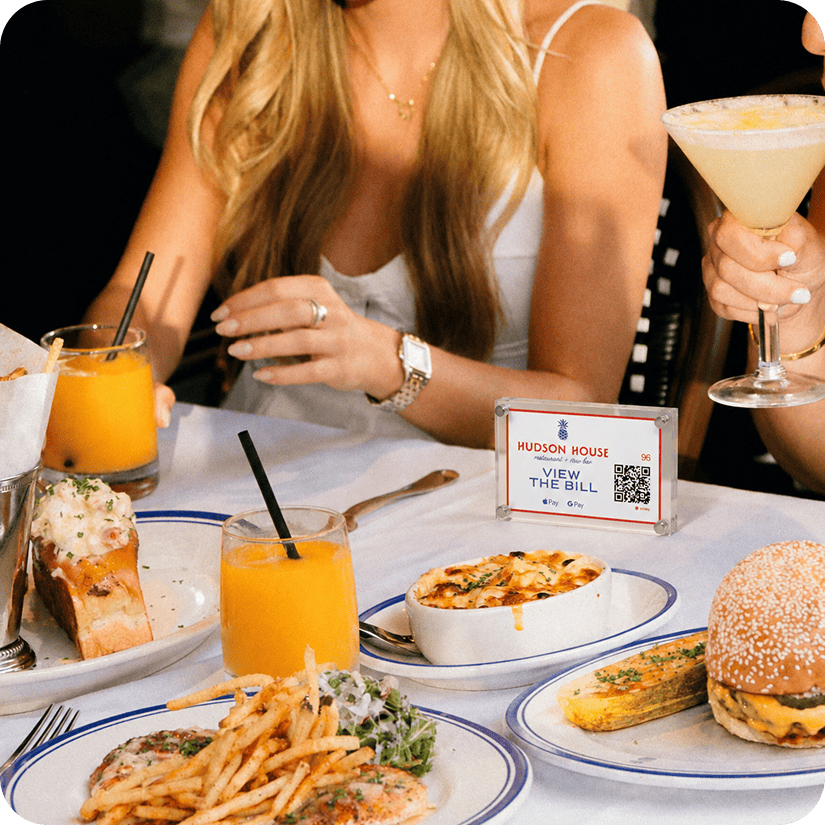
- Consider QR Code Payments: Solutions like sunday let guests scan a code directly on the table, pay with their phone, add a tip, and even leave a Google review. It minimises pass-around of card machines and speeds up the process. When done well, it doesn’t feel pushy—it feels empowering for the guest.
Swap the chaos of “Who pays what, how, and when?” for a system that accommodates multiple preferences. It reduces friction and staff stress in one swoop.
7. Engaging Your Team: A Payment-Positive Culture
If your staff feel awkward or uncertain about the process, that translates immediately to guests. More than just handing over a card machine, the entire table-side manner matters. Staff training needs to cover the intangible side of payment—knowing the right cues, verifying timing, and being comfortable explaining tipping or splitting the bill.
To embed payment positivity in your restaurant culture:
- Explain the Why: Show staff how a smooth payment process leads to happier guests, better tips, and a more relaxed environment.
- Role-Play Scenarios: Practise typical interactions, from welcoming a group lunch to finalising payment for a romantic dinner. Let staff experiment with different phrasing.
- Give Confidence in Technology: If you introduce digital solutions like QR code payments, demonstrate how they work. The more familiar staff are, the more natural they’ll be in front of customers.
- Reward Good Service: Publicly recognise staff who excel in making payment moments frictionless. This fosters pride and encourages best practices to spread among the team.
Training around payment doesn’t have to be heavy or impersonal. Keep it as friendly and accessible as the rest of your service coaching.
8. Gratuities, Google Reviews, and Going One Step Further
When guests are left to sort out how (and whether) to tip, it can lead to more confusion or embarrassment—no one wants to short-change a server by ignorance. Similarly, if you want to encourage them to leave a quick Google review or consider a future booking, placing all that on the table at once can feel overwhelming. This is where integrated payment solutions truly shine. Imagine giving your guests the freedom to:
- Pay their bill at their own pace, with no waiting.”
- Add or adjust tips discreetly, without the server standing by.
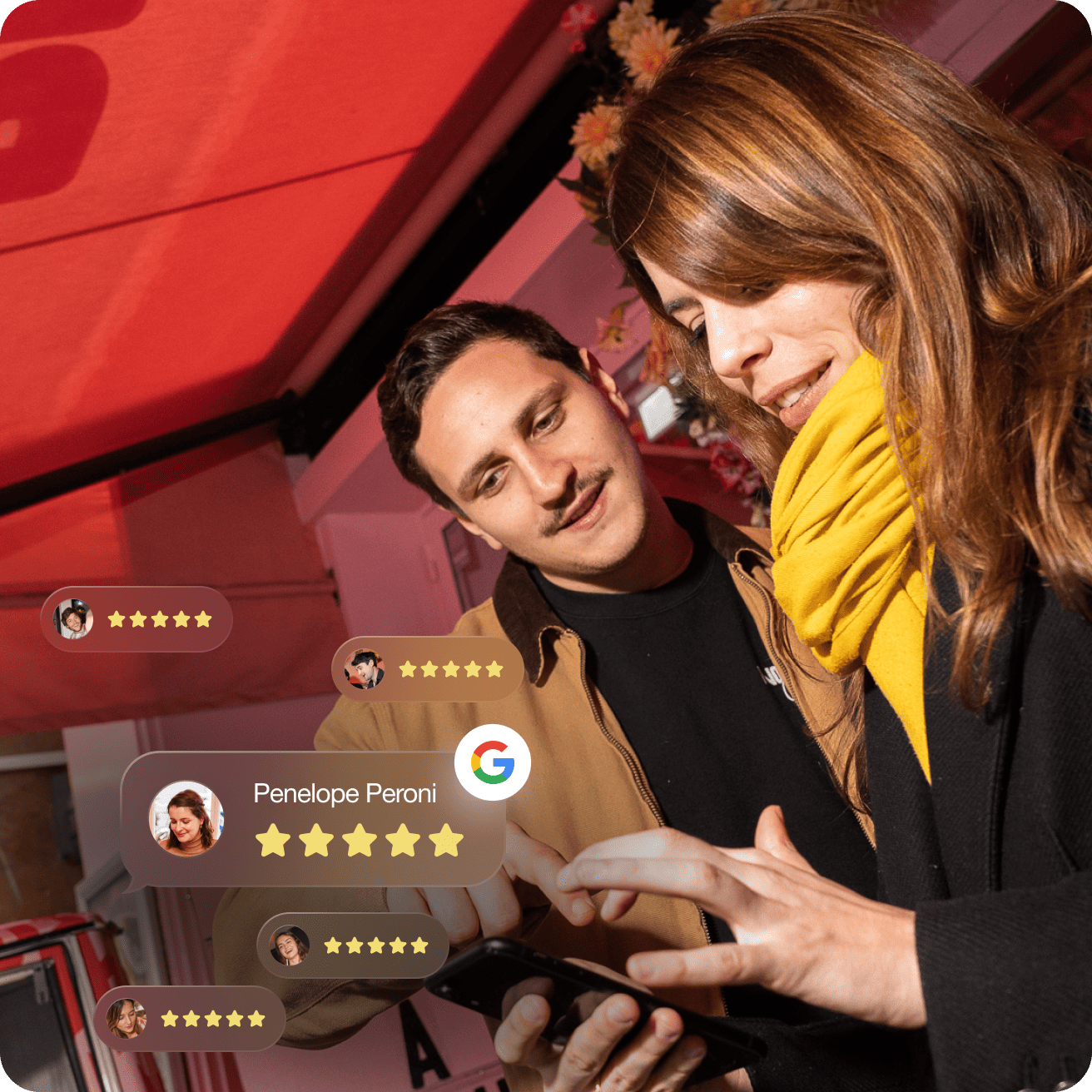
- Leave a review directly from their phone, with a simple tap or link after payment.
The extra step of leaving a positive review becomes natural if the payment journey is pleasant. With a smartphone-based approach, there’s no final push from your staff—just a gentle suggestion that can lead to a meaningful marketing advantage. According to a study from OpenTable (OpenTable UK), online reputation plays a crucial role in how diners choose a restaurant. Combining payment and review invitations in one seamless flow is a strategic move to capture that goodwill.
9. A Comparison: Traditional vs Modern Payment Flows
It might help to see how your payment process can evolve. Below is a quick comparison:
| Traditional Payment Flow |
Modern Payment Flow with QR |
- Server hands over printed bill.
- Guest waits for a card machine or tries to flag staff.
- Server returns with the card machine.
- Payment is taken, tips or vouchers are verbally discussed.
- Staff bring back printed receipt, and if diners want to leave a review, they must do so later, on their own.
|
- Bill is accessible via a QR code on the table, or staff direct guests to scan.
- Guest can view the itemised bill instantly.
- They pay on their phone using their preferred method (card, contactless, digital wallet).
- They add any gratuity digitally, with total clarity on amounts.
- They’re prompted to leave a quick Google review or feedback on the spot, no pressure from staff.
|
Notice how the modern flow removes some steps entirely and transforms others into a relaxed self-service approach. This shift can massively alleviate tension for both you and your guests.
10. Adapting the Approach for Different Situations
10.1. Large Groups
Big parties mean loud conversations, complicated bill splitting, and unpredictable timings. The last thing anyone wants is to pass around a single card machine all evening. With digital payments or well-structured staff guidelines, group members can split the bill according to their orders and pay from their seats, saving everyone time and avoiding arithmetic headaches.
10.2. Quick Lunch Crowd
Midday diners often have a tight schedule. They appreciate efficiency and can get frustrated if there’s a delay in receiving the bill. Offering an at-table payment option through a QR code or a prompt staff approach keeps things moving. Keep the language polite and mindful: “Would you like to pay straight away so you can get back to your day?” shows respect for their schedule without pushing them out.
10.3. Outdoor Dining or Seasonal Terraces
When guests dine outside, staff might not always be at arm’s length. Payment can become more of a logistical puzzle. A neat solution: simply place a small, weatherproof QR code on each table or menu. The checkout process then stays in the diner’s hands.
11. Overcoming Reluctance to Digital Payments
While digital payment systems have gained dramatic traction, some guests (or even some of your staff) might still prefer traditional methods. Perhaps they’re used to paying in cash or they find technology a bit intimidating. Below are some ways to address those concerns, gently and inclusively:
- Offer Choice: Provide both digital and traditional payment routes. There’s no rule stating you can’t have a secure, well-functioning card machine along with integrated QR payments.
- Highlight Safety and Simplicity: Reassure guests that digital payments are secure and that staff can guide them step by step if needed.
- Respect Tradition: Don’t rush to phase out cash if a sizeable chunk of your clientele values it. Over time, more customers may naturally lean towards easy digital flows, but you want to keep everyone happy in the meantime.
12. The Power of Gentle Suggestions
Making the payment moment comfortable often comes down to timing and tone. Even with a slick, app-based solution, a friendly verbal nudge from staff can go a long way. “Whenever you’re ready, you can sort out the payment right there on your phone,” or “If you’d like to add a tip or note, there’s an option just after you settle up,” are helpful pointers.
By combining technology with a warm personal approach, you create a cohesive experience rather than the dreaded “pay now or never” ultimatum. Remember, you’re guiding your guests, not herding them.
13. Where sunday Fits In
QR code payment solutions have been on the rise, and sunday is one such option specifically designed for restaurants. The premise is straightforward: place a unique QR code at the table, so guests can simply scan, check their itemised bill, and complete payment in seconds—tipping included. One added benefit is the chance to encourage a quick, frictionless Google review, right as customers are at their happiest. Because the process is triggered by them (they scan, they pay), it feels empowering rather than pushy. If you operate a busy restaurant or juggle multiple seatings, this can relieve significant pressure on your staff, while making the experience better for customers.
14. Building Lasting Impressions Through Payment Comfort
When diners walk out of your restaurant, you want them to carry a mental snapshot of a great meal and a smooth, hassle-free experience. So many small details go into shaping that final impression. By giving your guests a comfortable and flexible way to deal with the bill, you show you value their time and preferences to the very end.
You’ll likely see the benefits in more positive feedback, higher tips, a more relaxed work culture, and a greater chance that guests tell their friends about you—online and offline. Reducing awkward payment moments isn’t merely about avoiding friction. It’s about creating a flow from the kitchen to the table and finally to the exit that is as pleasant and welcoming as the rest of your service.
15. Frequently Asked Questions
- How do I handle customers who only want to pay cash?Always remain open to guests’ preferences. Keep a well-organised cash payment system, and if you’re adopting digital solutions, simply present them as an alternative, not a replacement.
- Is adopting a QR code system too impersonal?Not if implemented thoughtfully. Your staff still have a role guiding guests through the process, and personal touches can remain—this technology simply removes friction and frees up staff to focus on hospitality, not admin.
- What about tips—won’t digital payments reduce them?On the contrary, many diners find it easier to add a small percentage or round up when everything is done via their smartphone. Clear suggestions or custom tip options can encourage generosity, especially if they’ve enjoyed a positive overall experience.
- How can I best encourage guests to leave a Google review?Keep it subtle. A seamless payment process can include a gentle invitation on the screen: “Let us know how we did!” If they’re satisfied, the nudge often proves enough for them to drop a quick rating or review.
- Is training staff for a new payment system complicated?It doesn’t have to be. Choose user-friendly platforms and train staff with short demonstrations and hands-on practice. Highlight the benefits of speedy table turnover, reduced confusion, and higher customer satisfaction.


 1min
1min