Restaurant toolkit
23 December 2025


The restaurant industry is famously seasonal. Some times of the year—particularly post-holiday stretches in January, or typical midweek lulls—are simply quieter. If you have ever seen your dining room half-empty on a Tuesday night in February, you know how it feels to juggle staff schedules, operating costs, and marketing to keep people walking through the door.
Yet, slowing customer traffic in these off-peak phases can be more than just a logistical headache—they often signal a tricky balance between clinging to the loyal patrons you have and attempting to draw in new ones. Many establishments focus their efforts on promotions and events to spark interest and fill seats, but sometimes the secret to getting your regulars to stick with you isn’t about big discounts or special menus. It can be something simpler yet powerful: an efficient payment experience.
A sluggish checkout is a frustration that lingers on guests’ minds, potentially overshadowing an otherwise fantastic meal. In the UK, where speed and convenience in retail and hospitality are increasingly critical, the moment your diners ask for the bill can be a make-or-break experience. Research from HospitalityNet (source) suggests that more than half of customers rate prompt service, including quick payment, among their top satisfaction drivers. When your restaurant speeds up the checkout, you gain goodwill, and that might be enough to turn an occasionally visiting customer into a devoted regular—thereby strengthening retention, especially when footfall is minimal.
If your diners have already decided on a favourite starter or dessert, chances are it’s because they know your menu inside out. But have they noticed your payment setup? You might be surprised. After all, paying the bill is the final memory they take from their visit—a memory you surely want to leave on a positive note. So, why does it matter so much?
These benefits become pivotal during low season, when each customer’s satisfaction matters even more. Fast, convenient checkout can be the subtle difference that ensures guests come back on a slow Tuesday or brave a rainy weekday for your restaurant’s promise of excellent hospitality, from start to finish.
Finding a payment flow that works seamlessly for your particular establishment is a bit like selecting the perfect wine pairing—there isn’t a universal solution, but there are definite principles that guide the process. Let’s explore some tried-and-true strategies:
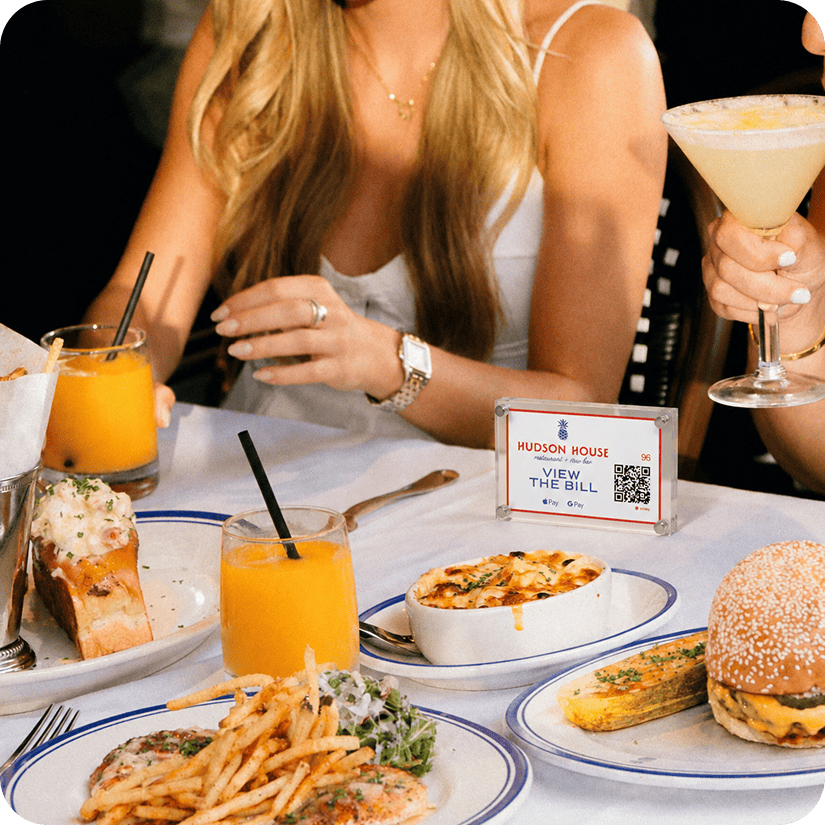
Mobile payment methods, such as scanning a QR code to instantly bring up the bill, have been steadily gaining traction across the UK. It’s a frictionless way to settle what’s owed, and it meets diners’ expectations for modern, contactless options. Such systems also encourage diners to pay whenever they’re ready, reducing any last-minute scramble for the server’s attention.
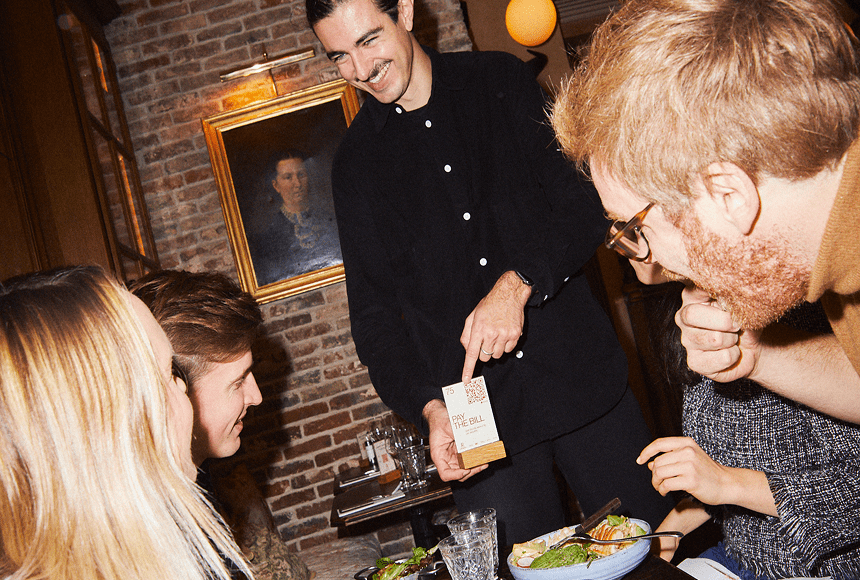
A platform like sunday offers precisely this kind of streamlined process—guests simply scan a QR code, view their itemised bill and pay in seconds. Since the experience is straightforward and user-friendly, diners are more likely to leave with a smile on their faces. More than that, you can integrate features that prompt them to leave an online review or a tip, ensuring your business reaps additional benefits from the final stage of their visit.
If your restaurant still relies on an older card terminal or a slow point-of-sale network, you might be missing out on revenue simply due to inefficiency. Modern POS systems are faster, more reliable, and often come with analytics that can tell you how quickly tables are turning, which items are selling best, and how many payments are processed at peak times.
Prioritise an agile setup: look for a point-of-sale solution with minimal hardware lag, the capacity for multiple terminals in busy sections of your restaurant, and robust connectivity. And importantly, choose a card machine that can handle modern payment methods—contactless, Apple Pay, Google Pay, and more. This quick, flexible approach helps keep the lines down and the spirits up during low season, even with the leaner staff you might have on duty.
The human element is crucial to any successful change—particularly in hospitality. You can introduce all the fancy gadgets you like, but if your staff aren’t trained to use them, or if they revert to old-fashioned workarounds that slow down the process, it’s all for nothing.
Ensure your entire team knows the features of your POS system and any new payment platform inside out. Encourage staff to:
Investing time in training pays off, literally. Well-trained servers move swiftly, support larger sections, and maintain top-notch service standards, which becomes vital when margins tighten during off-peak periods.
A restaurant visit isn’t just about the main course; it’s about the sentiment that lingers. When you streamline checkout, you’re setting a tone that resonates with your guests: you respect their time and comfort, and you’re ready to cater to their needs up until the last moment. That can easily turn a casual visitor into a loyal customer, especially during times when diners are more selective about where they eat out.
Rather than calling it a day once the plates are cleared, treat the payment stage as part of your hospitality. Offer an elegant bill holder or a neatly displayed QR code. At that juncture, show gratitude with a simple word of thanks—recognising that the relationship with your customer doesn’t have to end as soon as they walk out the door. In fact, a rapid, pleasant checkout is often the catalyst for:
Saving customers a bit of stress and time can buy you a lot of loyalty.
Many diners these days are digital natives who expect quick, intuitive experiences in everything they do. As a restaurant owner, aligning with those expectations doesn’t just mean upgrading your card machine—it involves making sure your entire digital presence ties into a seamless customer journey that extends well beyond the four walls of your eatery.
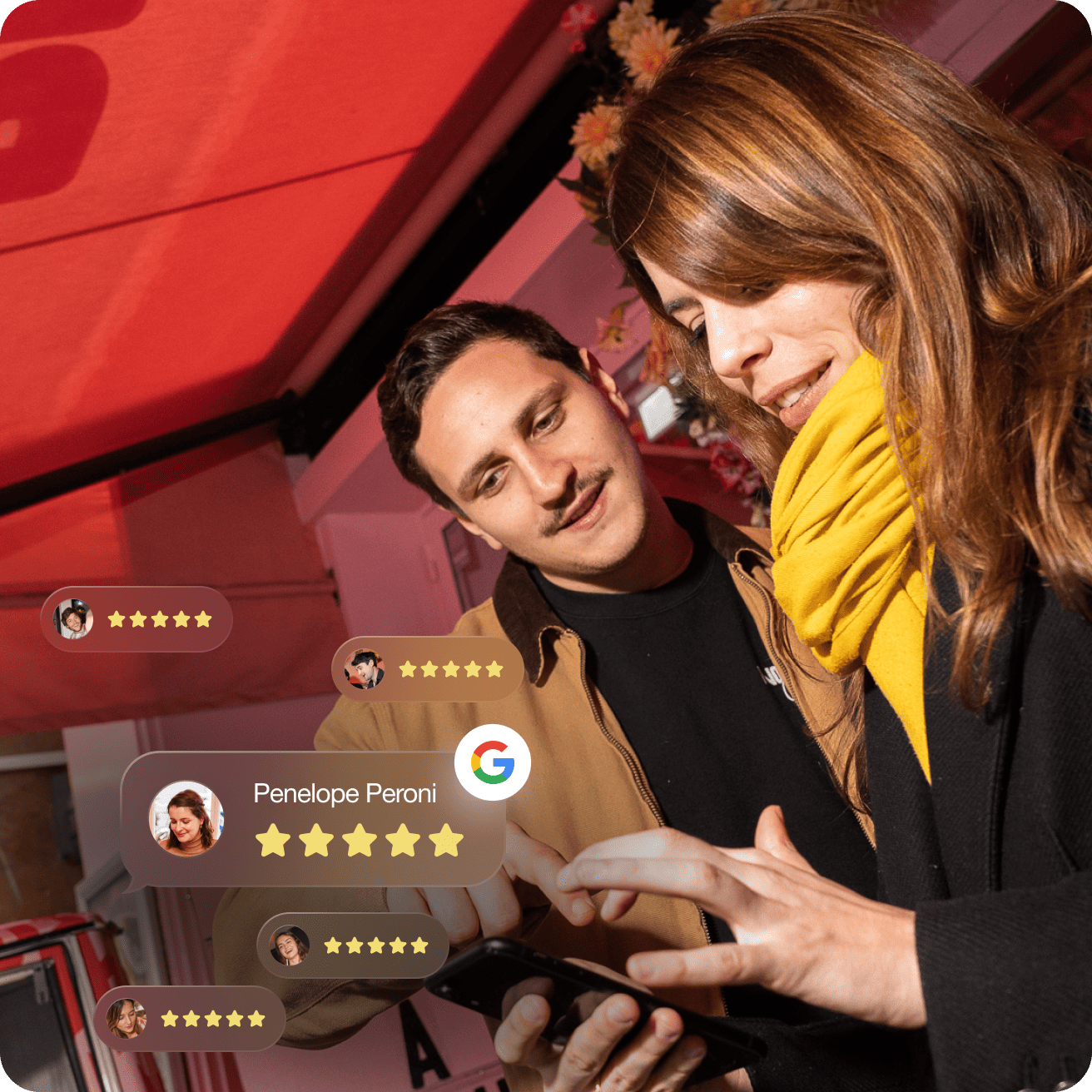
One technique is encouraging social media check-ins or posts. When a guest can scan a QR code and find not only a payment feature but also a link to your social platforms, you further the relationship all in one swoop. With sunday, for example, you can enable a prompt following payment that encourages customers to leave a short comment on Google. It’s an ideal moment to capture your diners’ positive feelings before they’ve even left the table. During low season, these small, repeated nudges can accumulate into meaningful online engagement, which, in turn, draws new patrons.
On top of that, if your restaurant leverages loyalty programmes or special offers, make sure your digital payment system easily links with them. For instance, scanning a QR code could allow diners to join your mailing list, claim a birthday discount, or be the first to know about upcoming events. When these experiences are frictionless, guests are more open to sharing their contact details or following you on social media. The outcome: an active community you can tap into if footfall is dropping.
You might already know that adoption of an improved checkout can enhance guest satisfaction. But how do you gauge its real impact on your bottom line and your retention levels?
Armed with data, you can pinpoint how effectively the new system meets your low-season objectives. It also helps in adjusting your approach—if you notice more tips but no notable rise in table turnover, for example, you might need to refine your workflow or train your team further.
Across the UK, numerous restaurants—be they cosy bistros or chain establishments—have steadily adopted quick checkout solutions to solve bottlenecks. Let us consider an example: a family-run Italian place in Manchester. They initially saw a slump in winter bookings, with diners often bypassing them for chain competitors that offered loyalty points, quick service, and a simple digital payment process. By switching their outdated card machines to a modern, contactless-focused POS and adding on a QR code payment option, they noticed:
Most importantly, from November to January—historically their quietest months—they saw a sustained customer presence and an uptick in repeat business. By the end of that first season, the owners said goodbye to the frantic “where’s our server with the bill?” scenario and hello to a near-effortless way of closing meals, making slow nights less daunting.
If you’re eyeing future trends, consider that cashless or digital-first methods are quickly winning over the younger generations. According to a report by UK Finance (source), contactless payments now make up a substantial portion of transactions, and that share is expected to keep rising.
By promoting a faster, digitally connected approach, you’re positioning your restaurant as forward-thinking. This forward-thinking label can appeal not just to Gen Z or millennial diners, but also to the busy professional or the tech-savvy senior who simply wants a meal out without fussing over payment. The key is making sure you adopt something stable, user-friendly, and easily implemented by your staff—a solution that doesn’t require you to become a tech giant overnight, but still integrates seamlessly into your existing operations.
Here’s where the likes of sunday come into play. By focusing on simple, effective solutions (QR codes at the table, easy bill splitting, integrated tipping options), you remove the friction from the end of the meal. That friction removal is absolutely central to weathering quieter periods.
When the slow season knocks at your door, every detail of the dining experience matters. From the greeting upon arrival, to how quickly a favourite dish arrives, right down to the final handshake—embodied by the payment process. A speedier checkout not only caters to modern customers’ preferences but also enhances staff morale, encourages loyalty, and sets the stage for repeat visits even during those days when footfall is scarce.
Naturally, faster payment alone isn’t a silver bullet. You still need mouthwatering food, a pleasant ambience, and genuine service. But a positive, memorable departure can be the final push that transforms a walk-in guest into a brand advocate. By showing diners you value their time, you add intangible charm to your establishment, one that resonates deeply and prompts them to come back—and to share the good news with their friends.
Great restaurants aren’t just about fantastic dishes; they’re about removing any barriers between you and your guests’ enjoyment. And in the competitive world of hospitality, especially during low season, you’ll find that every second gained is a valuable investment in your future.
Below you will find some frequently asked questions that shed further light on faster restaurant checkout and its effect on customer retention.
Quite the opposite. By eliminating lengthy wait times, staff can refocus on genuine engagement—greeting diners, answering queries and sharing recommendations—helping to keep your establishment’s unique human touch while modernising the payment process.
Many do—the popularity of cashless, contactless, and smartphone-based payments is accelerating, especially in the UK. But it’s important to offer a choice. By providing both digital and conventional options, you cater to a wide range of preferences.
Involve your team in the decision-making process. Provide clear training and emphasize how the new system reduces their workload and potential stress. When servers understand that efficient checkout can mean higher tips and happier customers, they’re more likely to embrace it.
Reputable solutions use encryption and secure payment gateways to protect sensitive customer data. Always choose a trusted provider with a solid track record of security compliance and transparent policies.
While promotions can temporarily boost footfall, an improved checkout can elevate the entire guest experience. Happy diners will be more inclined to revisit, share word-of-mouth praise, and grow your regular customer base—something that can outlast even the best of special offers.