Restaurant toolkit
23 September 2026


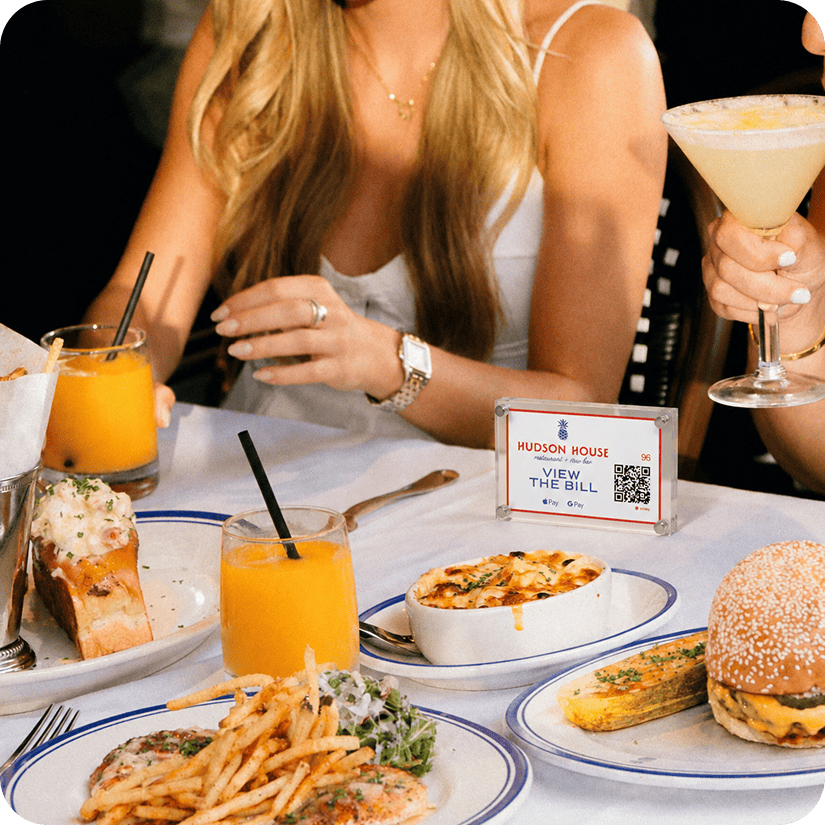
Restaurants invest time in the welcome, the first order and the first impression. The close of the meal receives less attention, even though it brings several operational tasks together. Guests ask for the bill, staff check the order, manage payments, answer service charge queries and prepare the table for its next booking.
This is why the last minutes of a meal can slow down a service that felt smooth until then. A pay at table system addresses that bottleneck by letting guests review and settle the bill from their phone, while staff stay available on the floor.
Checkout is a queue: Bill requests often arrive together when staff are also greeting new tables and clearing used ones.
Group bills add work: Several guests paying separately can keep a server at one table while other guests wait for help.
The final minutes shape the memory: Waiting after deciding to leave feels different from waiting between courses.
Guest led payment changes the workflow: A QR code can let diners view, split, tip and pay without waiting for a terminal.
From a guest’s point of view, payment is simple. On the floor, it can involve checking the live order, correcting a missing item, presenting the bill, processing a card, answering a question about the service charge and closing the table in the POS. Each step can create another trip to the table or the till.
The timing makes the problem harder. Tables that started service around the same time often reach the bill stage together. Those requests arrive while the team is welcoming new covers, taking late orders and resetting recently cleared tables. A server cannot carry out every payment at once, so a queue forms.
The queue is easy to miss in a shift report because it does not look like a single failure. Guests see it as a series of small waits. Managers see several tables that remain occupied after the meal has finished.
Splitting a bill creates another set of decisions. The group may want to pay by item, divide the total equally or combine cards and cash. Under a traditional process, a server may need to calculate the amounts, run several transactions and check that the table closes correctly.
The task becomes more demanding when a group leaves at different times. A guest who has finished may be ready to go, while another is still ordering coffee. A guest led payment flow gives each person more control without asking the server to coordinate every transaction.
Table turn time is not only a revenue measure. It also shows how much of the dining room is available for the next booking during a busy period. A table that remains occupied because payment is still pending cannot be reset or offered to another party.
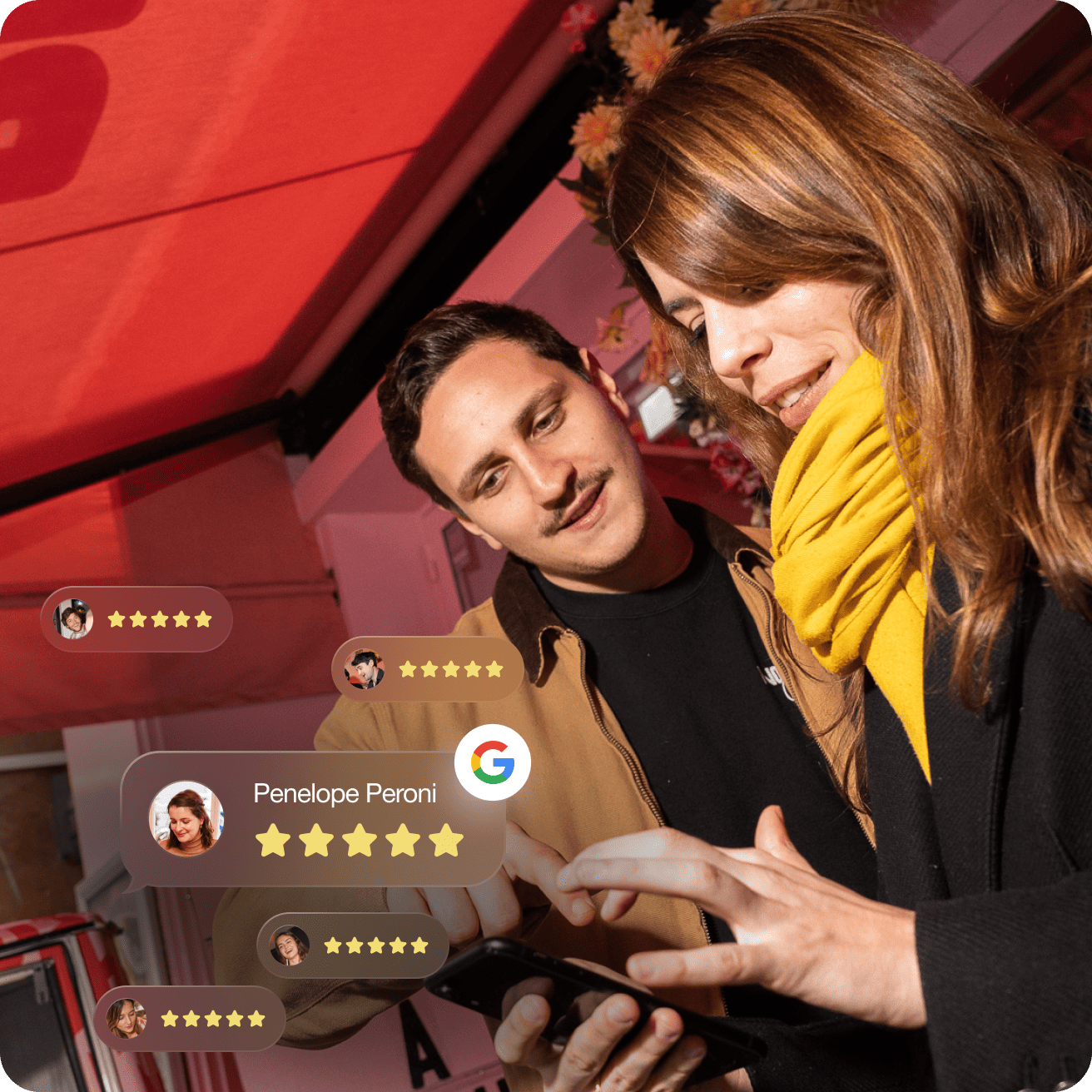
At Caravan, a UK restaurant group, the payment process was a specific source of delay. After introducing sunday, Caravan reported an 8.5 minute reduction in average table turn time. The same case study reports that 65 % of its Google reviews are generated through sunday, linking the payment moment with a clear feedback request.
The lesson is not that every guest should be rushed. It is that repetitive checkout work should not decide when a guest can leave. Staff can spend the recovered attention on recommendations, questions and the parts of hospitality that need a person.
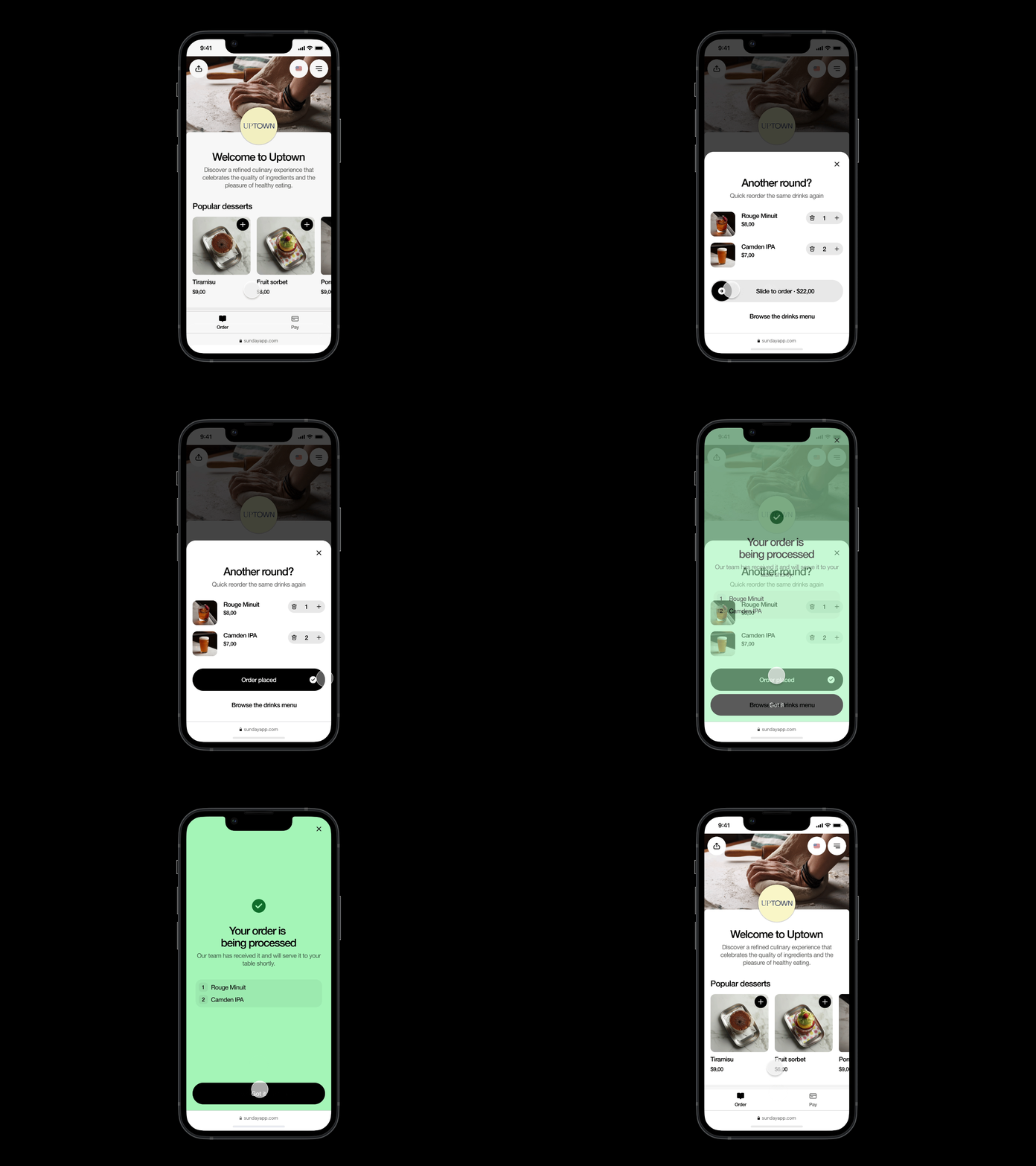
With sunday’s pay at table experience, a guest scans a QR code and opens a live, itemised bill in a mobile browser. They can review what was ordered, choose how to split the bill, add a tip and pay from their phone. No app download is required.
The payment flow depends on a POS connection. sunday reads the live bill and writes the confirmed payment back to the restaurant system. That connection matters because a digital payment should not create a second administrative process at the end of the shift.
A digital bill also gives guests a clear view of the total and any service charge before they confirm payment. Clarity at this point can reduce the need for a server to explain the same bill several times.
Staff no longer need to make repeated trips to print a bill, find a terminal, process several payments and return to close the table. They can still help when a guest needs support, but help becomes available on request rather than being required for every transaction.
That distinction protects hospitality. The restaurant keeps a human service model, while the payment step becomes available at the moment the guest is ready. As one restaurant industry perspective puts it, removing administrative work can give employees more time for “connecting emotionally, providing hospitality, and spending time with the consumer.”
Start with a clear guest explanation. A short line such as “You can scan the code whenever you are ready to pay” tells the table what the QR code is for without making the interaction feel like a handover to technology.
Keep a human fallback. Some guests will prefer a card terminal or need help with the bill. Staff should know how to support those guests and how to handle an exception without slowing the rest of the room.
Measure the right points. Track the time between the bill request and payment, the number of split payments, the number of tables waiting to close and the questions raised about service charge. These measures show whether the checkout process is becoming easier for both guests and staff.
The final minutes of a meal combine payment, table management and guest feedback. When those tasks depend on one server and one terminal, delays can appear at the busiest point of the service.
A pay at table system gives guests a direct way to finish when they are ready. For restaurant teams, the value lies in removing a queue that does not need to exist. The result is a calmer close, clearer payment and more time for hospitality.