Restaurant reputation management depends on collecting honest guest feedback at the right moment. Asking during the meal often produces polite answers, while post visit surveys tend to receive few responses. The most effective moment is immediately after payment, when the experience is complete and still fresh.
Here are the key takeaways.
Traditional table visits rarely generate honest feedback. Guests are more likely to respond when a short rating prompt is integrated into the payment process. A star rating and an optional comment are usually enough to identify satisfaction levels and service issues.
Real time alerts also give restaurant teams the opportunity to address a problem before the guest leaves. Over time, consistent feedback helps operators improve service, coach employees, and build a stronger restaurant online reputation.
Why traditional feedback methods underperform
Table visits
A manager asking, “How is everything?” during a meal will usually receive a positive answer. Guests may not want to criticise the restaurant face to face, especially while they are still eating.
As a result, genuine concerns often appear later in a public Google review, when the restaurant no longer has the opportunity to resolve the issue.
Post visit surveys
Email surveys sent a day or two after a meal ask guests to remember an experience that is no longer immediate. Many guests do not complete them, and the responses often come from people with particularly positive or negative opinions.
This can create a distorted view of the average guest experience.
Why payment is the best moment to ask
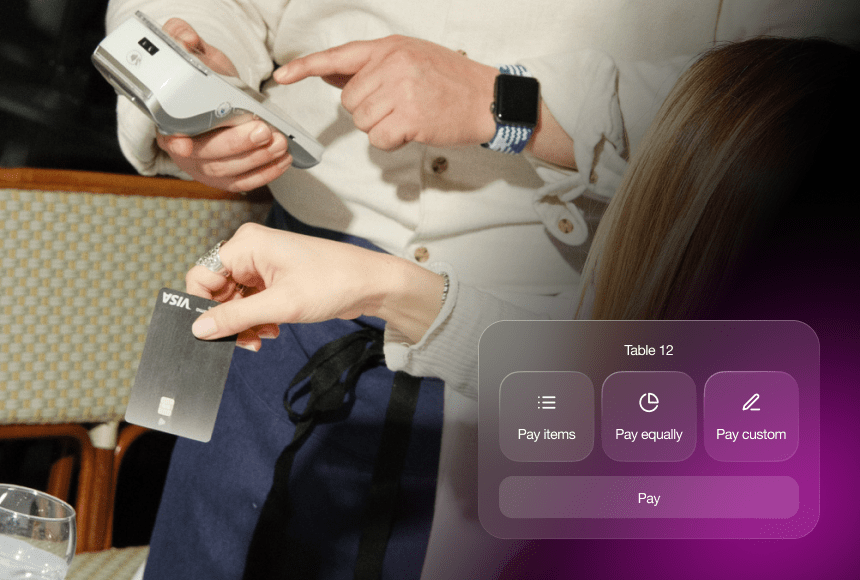
Immediately after payment, guests have finished their meal and are already using their phone or interacting with the payment process. A short rating prompt feels like a natural final step rather than an additional request.
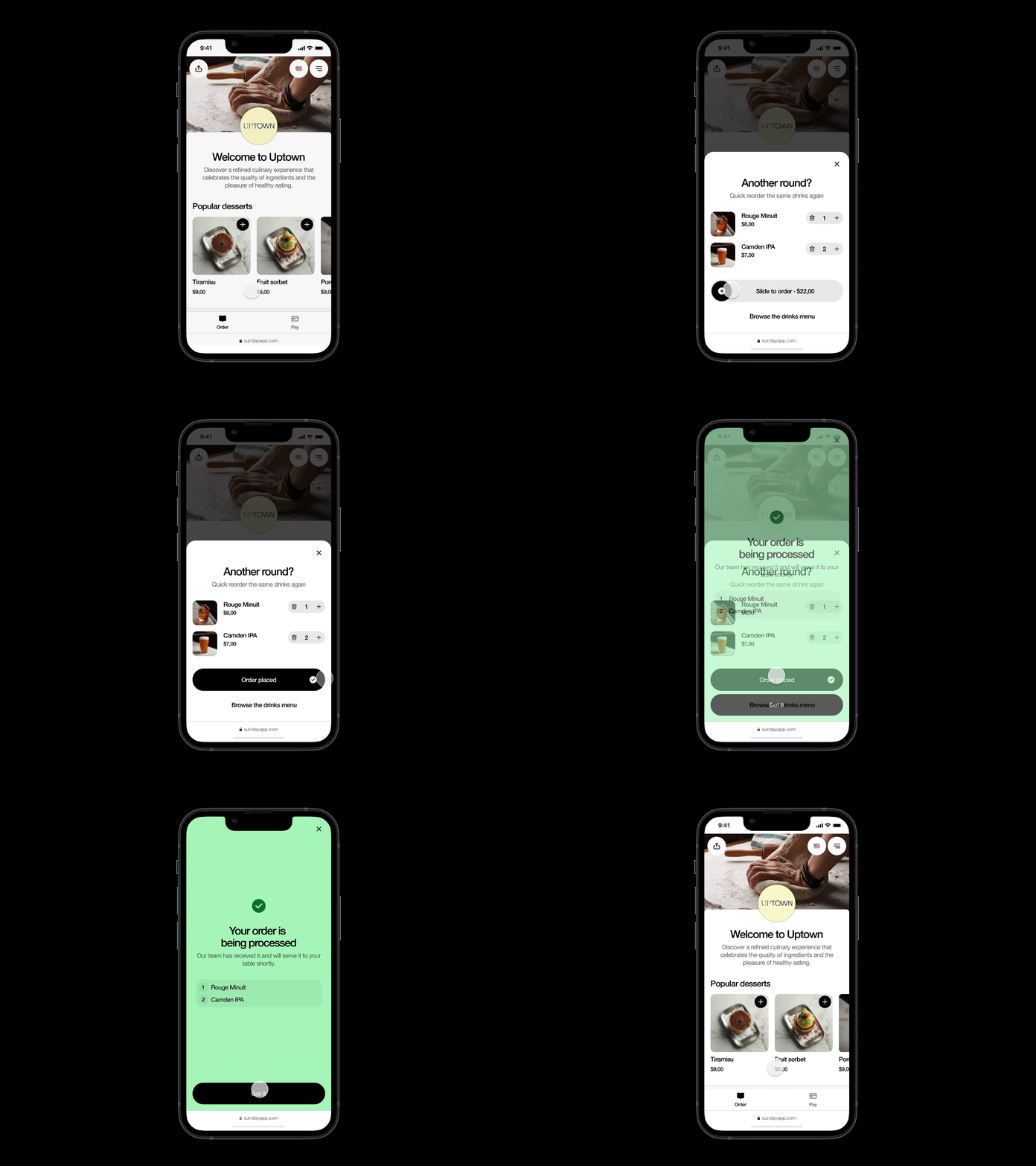
A QR code payment flow can make feedback simple:
– The guest pays the bill.
– A short rating prompt appears.
– The guest leaves a star rating and an optional comment.
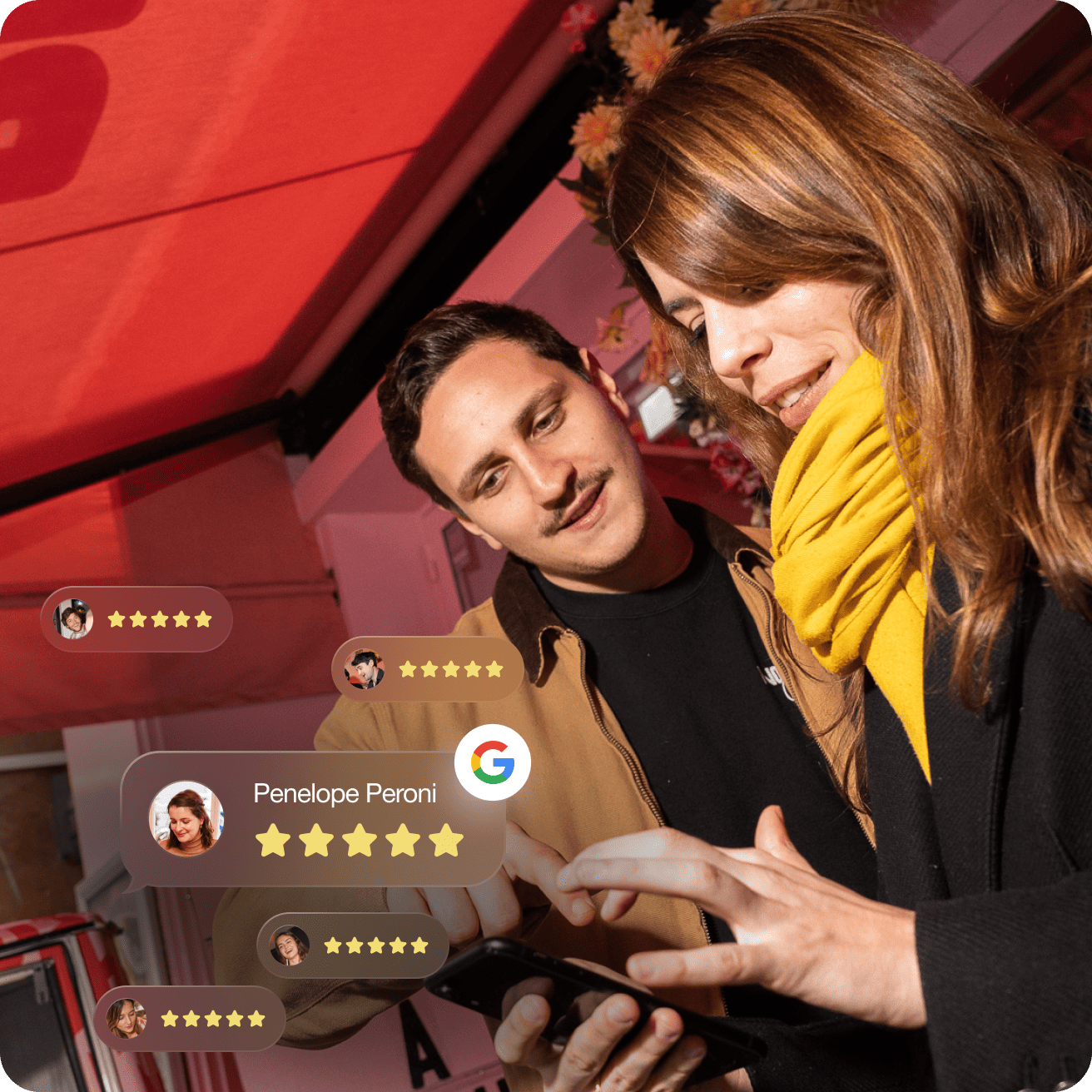
– Positive ratings can be directed to Google.
– Lower ratings remain internal and alert the management team.
This approach supports both guest experience improvement and restaurant reputation management.
How real time feedback supports service recovery
A low rating received while the guest is still at the table gives the team a chance to respond. Managers can apologise, correct an issue, or offer support before the guest leaves.
Reza, owner of Naroon, describes this benefit:
“There was a customer who left a three star. We saw it immediately, so we had one more chance to speak with them at their table before they left.”
This type of intervention is only possible when feedback is collected during the visit.
Practical ways to collect more feedback
Integrate feedback into payment
The simplest solution is to place the feedback prompt directly into the checkout flow. Guests do not need to download an app, find a separate survey, or respond to a verbal request from staff.
For restaurants looking for how to get more Google reviews, satisfied guests can be invited to share their experience on Google after leaving a positive rating. Lower ratings can be sent privately to the restaurant team for follow up.
Keep the experience short
A star rating with one optional comment field is usually more effective than a long survey. The shorter the process, the more likely guests are to complete it consistently.
Let staff introduce the process
Staff do not need to ask every guest for feedback. They can simply explain how to pay and mention that guests can share their experience at the end.
This creates a consistent process without adding pressure to servers or managers.
How feedback improves restaurant operations
Feedback becomes more useful when it is connected to the relevant location, shift, table, and team member.
Improve staff coaching
Ratings linked to service sessions help managers identify high performers and areas for development. Coaching discussions can then be based on real guest data rather than assumptions.
Kricket uses this type of visibility to compare sites, track staff performance, and reward employees fairly. Learn more about how restaurants can retain and motivate their team with feedback data.
Identify operational patterns
Structured feedback can reveal recurring issues linked to specific shifts, dishes, locations, or service periods. This helps operators make better decisions about staffing, menus, training, and guest experience.
Casa do Frango explains how it uses feedback and trends to make decisions, including changing dishes and promoting team members.
How sunday supports restaurant reputation management
sunday adds a rating prompt to the checkout experience. Guests scan a QR code, pay the bill, rate their visit, and can then leave a Google review.
Positive ratings can be directed to Google, while lower ratings remain internal and trigger an alert for the management team. This gives restaurants a way to increase their public review volume while responding privately to concerns.
Casa do Frango increased its Google reviews from around 5 to 15 per week to approximately 130 to 140 per week. Today, 76% of its Google reviews are generated through sunday. Some locations also increased their overall rating by 0.2 to 0.3 points.
At Kricket’s Brixton site, Google reviews tripled during the first month after sunday was introduced. Around 70% of its five star reviews now come from sunday guests.
The sunday dashboard also brings together review trends, average ratings, guest email capture, tips, and staff performance. Restaurants can use this information to improve service and strengthen their online reputation.
The takeaway
Restaurant reputation management works best when feedback is collected as part of an existing guest journey. Payment is the ideal moment because the experience is complete and the guest is already engaged.
By keeping the process short, directing positive feedback to Google, and alerting managers to lower ratings, restaurants can collect more reviews while improving service recovery and team performance.
The difference between a few reviews per week and more than 100 is often a matter of timing and process. Discover sunday.


 6min
6min